A fresh wave of malicious bomb threats swept across Europe this morning, disrupting at least a dozen flights and forcing a London Stansted departure to divert for the second time this week.
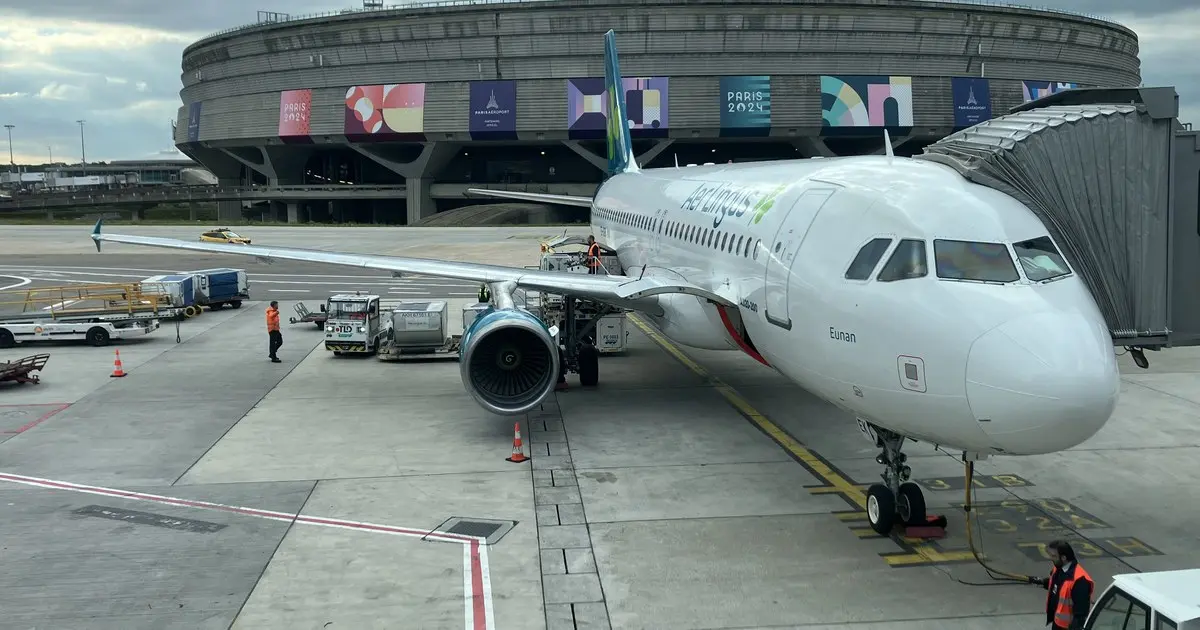
An Aer Lingus flight from Dublin to Rome was diverted to Évreux air base in France after an emergency alert was raised on board. Passengers were taken off the aircraft while bomb disposal crews carried out inspections, and the airline described the diversion as a security precaution.
Ryanair flight FR1730, which left London Stansted bound for Sofia at 6am, was diverted to Plovdiv after receiving a security alert. It is the second time this week a Stansted departure has been caught up in the hoax campaign, after Tuesday’s wave was condemned as malicious by the Transport Secretary.
A LOT Polish Airlines flight from Warsaw to Brussels was also searched this morning. The airline later confirmed that no suspicious items were found on board.
In Prague, four flights heading for the Czech capital were placed on alert after bomb threats were received. Police said no explosives were found on any of the aircraft, and pyrotechnic inspections came back negative. The investigation has been handed to the country’s National Centre Against Terrorism, Extremism, and Cybercrime.
The Guardian reported that at least 15 flights in total have been affected today, although the full list of aircraft involved has not been published.
Second wave in three days
Today’s disruption follows a similar wave on Tuesday, when seven flights were hit by hoax threats, including aircraft leaving Manchester and London Heathrow. One of those, a LOT flight from Heathrow to Warsaw-Modlin, made an emergency landing. No credible security issues were found on any of the flights searched on Tuesday.
Transport Secretary Heidi Alexander described Tuesday’s threats as “malicious hoax threats” and said the government took them seriously, with established processes in place for dealing with them.
The Metropolitan Police has confirmed that its aviation unit is monitoring the situation.
Coordinated campaign — or copycats?
It is not yet clear whether today’s threats and Tuesday’s were carried out by the same person or group, or whether they are connected at all. Political scientist Daniel Schatz said the publicly reported pattern was “consistent with a coordinated hoax or disruption campaign” — but stressed that, on its own, it was not proof of a terrorist campaign or state involvement.
Schatz said the threats allowed “fear and maximum disruption at very low cost”, forcing diversions, emergency inspections, police deployments and widespread media attention without the person behind them ever needing to possess an explosive. He added that the threats may also be intended to test aviation-security responses.
What it means for passengers
Passengers flying from London airports today should expect the possibility of short-notice delays, diversions or cancellations, and a more visible police presence at airports. Airlines are advising travellers to check the status of their flight before travelling and to follow official updates rather than unverified reports online.
As Schatz put it, the disruption shows the security system responding cautiously — not that European aviation is broadly unsafe.