


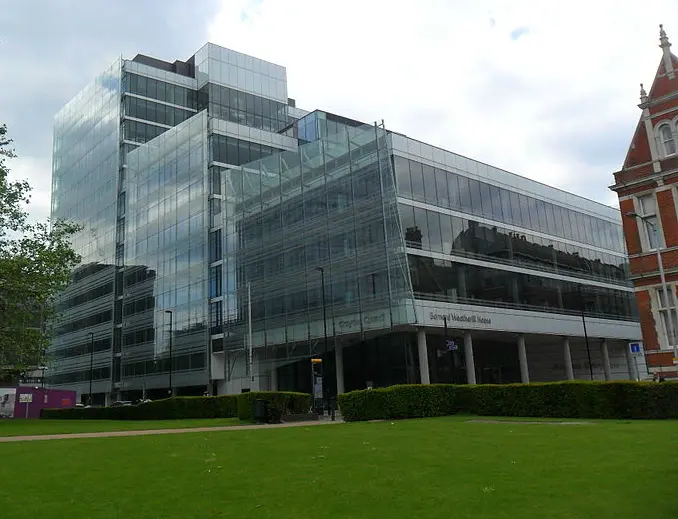
Croydon Council’s Cabinet has approved the Croydon temporary accommodation strategy, a four-year plan aimed at cutting the number of households in temporary accommodation and saving the borough around £10 million.
The Temporary Accommodation Strategy 2026–2030 was approved at the Cabinet meeting on 23 September 2026. It commits the council to reducing the number of households in temporary accommodation to fewer than 2,600 by 2030, bringing nightly paid accommodation below 1,000 placements, and delivering savings of approximately £10 million between 2027 and 2030.
At the end of June 2026, 3,283 Croydon households were living in temporary accommodation, underlining the scale of the challenge facing the borough’s housing services.
Croydon faces acute housing pressure. More than 8,600 households are waiting for social housing, while only around 680 social homes become available each year — meaning many families spend months or years in temporary accommodation while they wait.
The strategy puts prevention first. It promises earlier intervention when households are at risk of homelessness, improved move-on arrangements for those already in temporary accommodation, and reduced reliance on costly nightly paid placements. The council also plans to help more people stay in their existing homes and to work with landlords to open up access to private rented housing. The Croydon Council newsroom announcement sets out the approved plan in full.
The move builds on progress the borough has already made. Official figures show Croydon achieved the most significant reduction in temporary accommodation of any London borough during 2025. The council has phased out commercial hotels, family bed-and-breakfast placements and split-family placements, and more than 300 households have moved from temporary accommodation into permanent social housing, according to South London News.
The strategy lands as the council weighs other difficult budget decisions, including proposed cuts to its £39 million council tax support scheme affecting 19,000 residents. Nightly paid placements are among the most expensive pressures on council budgets, costing far more than settled alternatives.
Croydon’s waiting list pressures are not unique in the capital: Southwark’s council has approved a five-band overhaul of its social housing allocation system as boroughs across London grapple with demand far outstripping supply.
What has been agreed is the strategy itself. The 2030 targets — fewer than 2,600 households in temporary accommodation, fewer than 1,000 in nightly paid accommodation, and £10 million in savings — are ambitions the council will now have to deliver against.
Reporting based on:
Croydon Council newsroom — “Croydon sets out plan to reduce temporary accommodation and prevent homelessness”
South London News