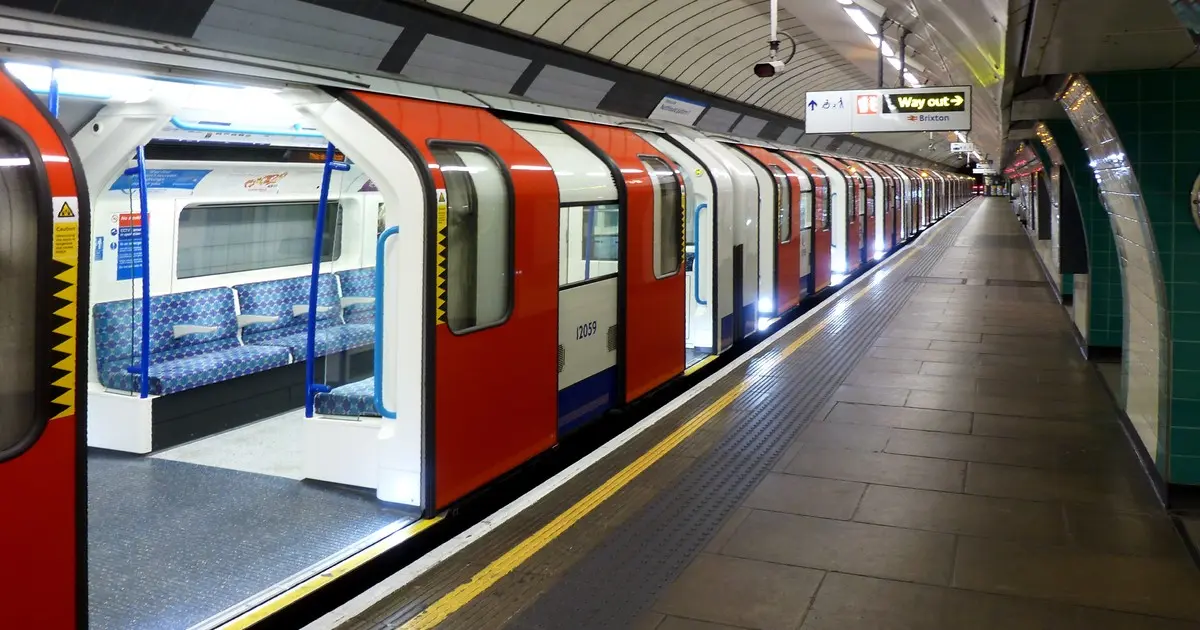
Fifteen people have been arrested during a two-day targeted enforcement operation at Brixton Tube station, as police moved against crime on one of south London’s busiest transport hubs.
The coordinated operation brought together local neighbourhood policing teams, specialist Metropolitan Police officers and transport partners to tackle criminality affecting the local community and the wider Lambeth area. Officers deployed a mix of plain-clothes and uniformed tactics across the station, aiming to disrupt illegal activity on the Underground network.
Items recovered during the operation included stolen mobile phones, property linked to a residential burglary, suspected Class A drugs and a flick knife. The fifteen people arrested face a range of alleged offences, spanning grievous bodily harm, robbery, drug possession, assault on emergency workers, handling stolen goods, fraud and breaches of court orders.
One finding stood out for investigators: sixty-six per cent of those arrested lived outside the borough of Lambeth — an indication, police said, that criminals are using public transport to travel into the area to offend.
Why stations are targeted
Tube stations like Brixton are natural focal points for this kind of enforcement. As the southern terminus of the Victoria line and a gateway to one of south London’s busiest town centres, the station funnels tens of thousands of passengers through its gates every day — and with that footfall comes a predictable pattern of crime.
Phone snatching is the most visible of these. Thieves target distracted commuters at ticket gates and on platforms, then disappear into the crowd or onto a waiting train. Drug dealing and the handling of stolen goods follow similar logic: a busy interchange offers anonymity, quick exits and a constant supply of potential victims and buyers.
That is why operations of this type are a regular feature of policing on the transport network. Plain-clothes officers can spot offending as it happens, while uniformed colleagues provide the visible deterrent and make the arrests. The Met works these operations jointly with transport partners — including, on the Underground, British Transport Police — so that intelligence about routes, timings and repeat offenders is shared across forces.
Brixton has seen this approach before. The area’s neighbourhood policing teams have previously run targeted operations in the town centre with senior officers and Home Office officials in attendance, and live facial recognition technology has been deployed in Brixton to catch people wanted by police or the courts.
What happens after the arrests
An arrest is the start of the process, not the end of it. Each of the fifteen people detained will have been taken into custody, interviewed and had their cases reviewed by custody officers and, where charges are brought, the Crown Prosecution Service.
The range of alleged offences in this operation — from grievous bodily harm and robbery to fraud and court-order breaches — means the cases will be dealt with across different courts. More serious charges are likely to go to the Crown Court, while lower-level matters can be heard by magistrates.
It is worth remembering the legal position at this stage: everyone arrested is innocent until proven guilty, and the charges described are allegations that will be tested in court. Reporting restrictions may apply once cases are listed, limiting what can be published about individual defendants.
The local picture
For residents and commuters, operations like this are meant to send two messages at once. To would-be offenders, the message is that a busy station is not an easy hunting ground. To everyone else, it is reassurance that the transport hub they pass through twice a day is being watched.
The statistic that two-thirds of those arrested came from outside Lambeth will resonate locally. It feeds a long-running concern in the borough that the area’s transport links — excellent for commuters — are equally convenient for criminals travelling in from elsewhere. Targeted station operations are, in part, an answer to exactly that complaint.
Whether the operation has a lasting effect is the harder question. Enforcement sweeps produce arrests and headlines, but sustained reductions in station crime tend to come from longer-term work: better lighting and CCTV, consistent high-visibility patrols, and the slower business of diverting repeat offenders away from crime. The Met’s neighbourhood teams in Lambeth say that partnership work with the local authority and businesses remains part of the plan.
London Streets has been covering crime trends across south-west London and the Gail’s opening-day protest in Brixton this week.