A 14-year-old boy has denied planning to carry out attacks on two mosques in Sutton.
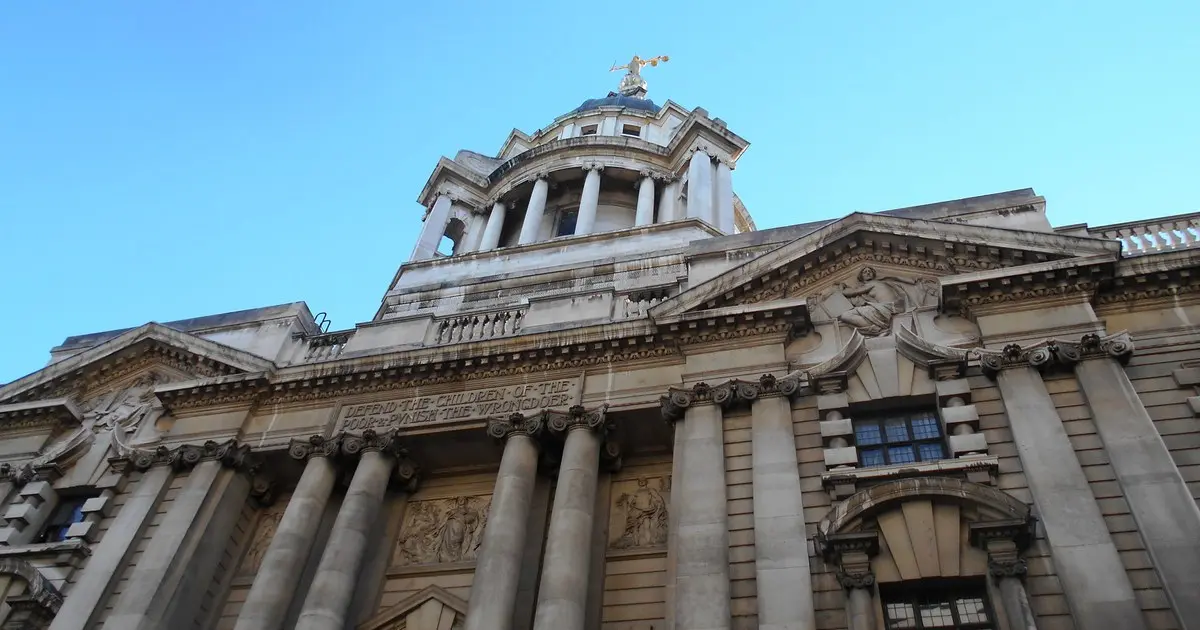
The teenager, who cannot be named for legal reasons, appeared at the Old Bailey on Thursday, 6 November, where he pleaded not guilty to charges including preparation of terrorist acts.
The prosecution alleges that on or before 9 July, he identified targets, conducted reconnaissance, identified a weapon and collected instructional material, in preparation for acts of terrorism, “namely killing people at mosques in Sutton”.
Prosecutors describe the alleged plot as extreme right-wing. The boy denies the charges.
He has also been charged with causing racially aggravated damage to a property by breaking a car window on or before 20 June. According to details of the charge, it is alleged that he was motivated “by hostility towards the owner of the car based on their membership of a racial group, namely black people”.
He has pleaded not guilty to the charges.
What happens next
A twelve-day trial is expected to take place at Kingston Crown Court from 12 April 2027, before a High Court judge.
The senior judge also set a further preparatory hearing for 26 February 2027.
The defendant was remanded back into youth detention.
Why the boy cannot be named
Children and young people under 18 who appear in criminal proceedings are not normally identified in media reports. The restriction protects the identity of the young person while the case is before the courts, and applies regardless of the seriousness of the charges.
At a first appearance in a serious case, the court deals with the charges, the defendant’s plea and practical matters such as legal representation and custody. Cases of this seriousness are not tried at a magistrates’ court, and the trial will be heard before a judge and jury at the Crown Court.
The charges against the boy are allegations that have not yet been tested in court. Nothing should be published that could prejudice a fair trial.