


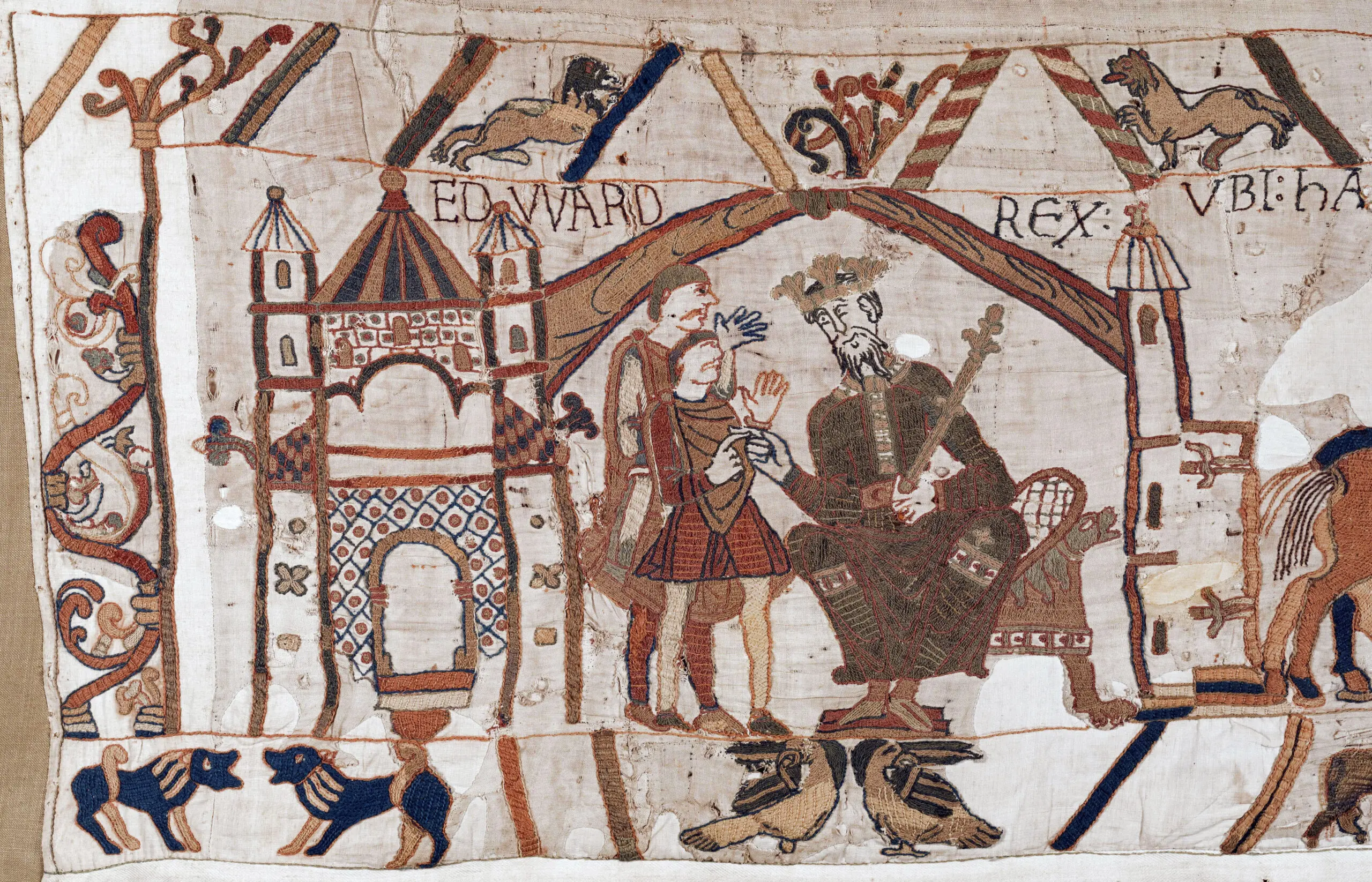
The British Museum is to offer an audio-described tour of its Bayeux Tapestry exhibition after a blind visitor complained that the blockbuster display made no provision for people who cannot see it.
Yusuf Ali Osman, who is blind, said the museum breached equalities laws in how it presented the nearly 1,000-year-old embroidery, which is on loan from France and has been drawing excited crowds since the sold-out show opened last month.
Responding to the criticism, the museum said it would offer “an in-person audio-described tour” of the tapestry. “We are also exploring including a separate audio-described tour as part of the exhibition’s app-based audio guide,” it added. A sensory map of the exhibition is already available to visitors.
The distinction is worth keeping in mind: Mr Osman raised concerns under equalities law — an allegation, not a court finding — and the museum has answered it with new provision rather than letting the row drag on.
It has been an eventful few weeks for the Bloomsbury institution, which was evacuated last month after a fire alarm forced visitors out of the building.
So what does an audio-described tour actually involve? In museums, audio description turns what is seen into what is heard. A trained describer talks visitors through the visual details that sighted people absorb at a glance: the colours and composition of a scene, the expressions on faces, the layout of a room, the way the light falls. On a live tour the description is woven around the visitor’s movement through the gallery, often with chances to handle replica objects or get a sense of the shape and scale of a space. The aim is not a dry commentary but a way of sharing the visual experience — the drama of a battle scene, say, or the fine detail of medieval stitching — with people who cannot see it for themselves. Many London venues now run such tours as standard, and campaigners regard them as a basic part of an inclusive visit rather than an optional extra.
The tapestry itself more than repays close attention. The 70-metre-long (230ft) embroidery depicts the events leading to the 1066 Battle of Hastings and offers a rare insight into life in England both before and after the invasion by William the Conqueror’s Norman army. In London it is being shown flat in a raised glass cabinet — whereas at its permanent home, a museum in Bayeux in northern France, it is normally hung vertically. That unusual presentation is part of what has made the exhibition such a draw.
For anyone hoping to see it, planning ahead is essential. Tickets are sold out until December 31, and a second tranche of tickets, covering viewings until July 11, goes on sale on October 21. The museum says a sensory map is already on offer, the in-person audio-described tour is being introduced, and an audio-described version of the app-based guide is under consideration. Visitors — particularly those with access needs — are advised to check the museum’s website for the latest arrangements before travelling.
The row lands at a time when London’s cultural institutions and public spaces face growing pressure to design for everyone. Disability campaigners have been vocal in the capital in recent months, from the row over “floating” bus stops in Hackney to the welcome for a new step-free entrance at King’s Cross St Pancras. For the British Museum, the Bayeux Tapestry episode is a reminder that a sell-out show is only truly a success if everyone can experience it.
Mr Osman’s complaint has, at least, produced a concrete result: a tour that did not exist a week ago will now exist — and a centuries-old story of conquest will, for the first time in this exhibition, be told out loud.