


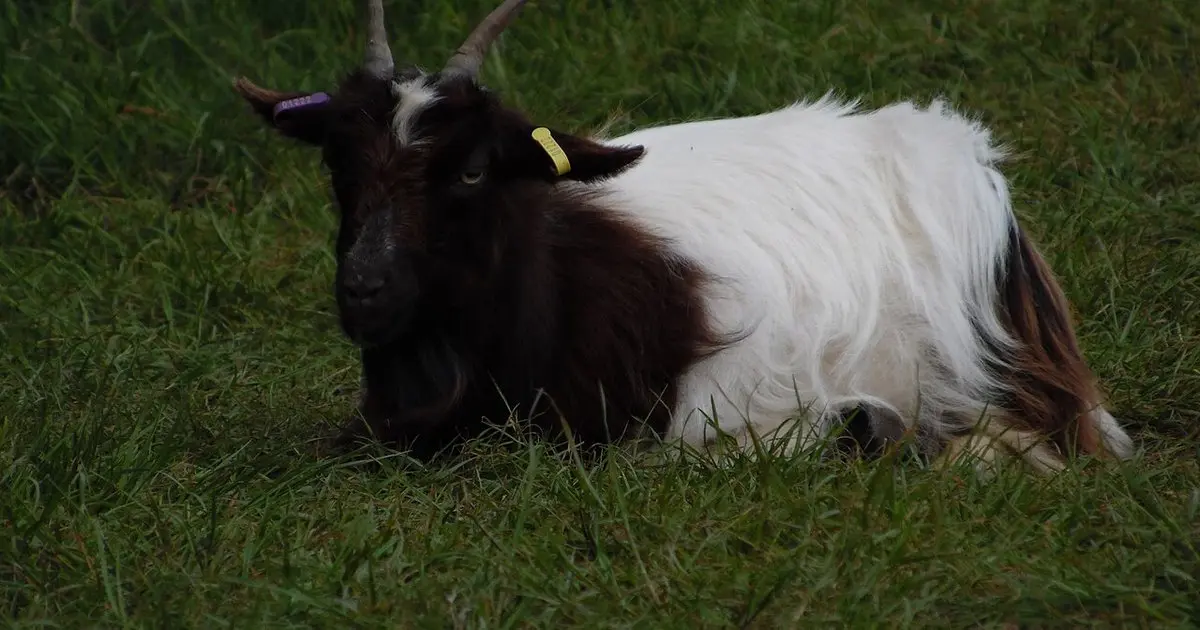
Britain’s oldest goat breed takes on Greenwich Park’s steepest bank
Visitors to Greenwich Park might spot some unusual new residents this week: a herd of rare British goats, brought in to do a job no mower or strimmer can manage.
The Bagot goats, Britain’s oldest native breed, have arrived in the park as part of a conservation grazing trial on Castle Hill Bank, the steep slope just below the Royal Observatory. The scheme is a collaboration between The Royal Parks, Mudchute Park and Farm, and the Rare Breeds Survival Trust.
The goats are there to work. Small and light-footed, Bagot goats are well suited to steep, uneven ground and can reach places that are difficult to manage with machinery or by hand. As they browse, they keep dominant, woody vegetation in check, making space for other plants to grow — which in turn supports wildlife such as birds, invertebrates and small mammals.
A view worth protecting
Castle Hill Bank is no ordinary slope. The historic view of Flamsteed House above it is part of what makes Greenwich Park special as a UNESCO World Heritage Site, and keeping the vegetation in check matters for more than tidiness — it protects the landscape itself.
Clare Lanes, Greenwich Park manager at The Royal Parks charity, said: “We’re delighted to team up with Mudchute Farm to trial goats as ‘natural grass cutters’ in Greenwich Park.”
“The historic view of Flamsteed House above Castle Hill Bank is part of what makes Greenwich Park so special as a UNESCO World Heritage Site,” she said. “But it’s a very steep bank, and managing vegetation to protect that view, is a real challenge. We’re trialing a traditional approach by bringing in goats to graze, which we hope will help us protect the landscape more sustainably and help us deliver our ambition to create climate-resilient parks for future generations.”
“We hope that spotting goats in the park captures visitors’ hearts and makes them smile too!”
When to see them
Visitors can see the goats in action from Sunday, November 23 to Thursday, November 27, between 11am and 3.30pm. The animals are kept in a paddock with a lean-to shelter and fresh water, and are shepherded on and off site each day, closely watched by Mudchute Farm’s Farmer Tom Davis.
Mr Davis, farm manager at Mudchute Park and Farm, said: “This collaboration between Mudchute and The Royal Parks has happened before in other parks around London and it’s great to be working with the charity again where we are conserving this incredibly rare breed of goats which are being given an important purpose. This project helps create a better, more viable habitat for invertebrates, birds and small mammals in Greenwich Park in the longer term.”
An old method for a new problem
Conservation grazing is a traditional land management method that mimics natural processes and helps promote biodiversity. Instead of cutting everything back at once, grazing animals eat selectively, opening up patches of ground where different plants can take hold — and with them, the insects, birds and small mammals that depend on them.
It is a method that suits a park like Greenwich, where the landscape itself is protected. Heavy machinery on a steep, historic bank risks damaging the ground it is meant to care for. Goats, by contrast, do the work gently, a mouthful at a time — and they do it while visitors watch.
The trial is supported by funding from players of Postcode Lottery and is part of The Royal Parks’ wider work to create climate-resilient parks for future generations. A spokesperson from The Royal Parks said the charity is exploring how these unusual conservation helpers can support its work to conserve and enhance the natural environment and support biodiversity.
For the goats, the week is a rare outing with a purpose. The Bagot is Britain’s oldest native breed, and herds like this one survive because farms and charities keep them working on real conservation jobs — not just kept as curiosities. In Greenwich Park, they get a steep bank to climb, fresh grass to eat, and an audience of Londoners who, if the park’s managers are right, will leave smiling.
Riddlesdown Common in Croydon offers another of London’s wild green spaces, with a Roman road and sunset views, while Jasmine Park in Bow has reopened with new play equipment after a community campaign.