Drivers cutting through the quiet streets around Barons Court could soon find themselves on camera, under plans for an 18-month trial of number-plate recognition cameras in the area.
Hammersmith and Fulham Council is preparing to introduce the Barons Court Neighbourhood Traffic Safety Improvement Scheme, with automatic number plate recognition (ANPR) cameras monitoring the residential streets that have become a regular shortcut for thousands of motorists a day.
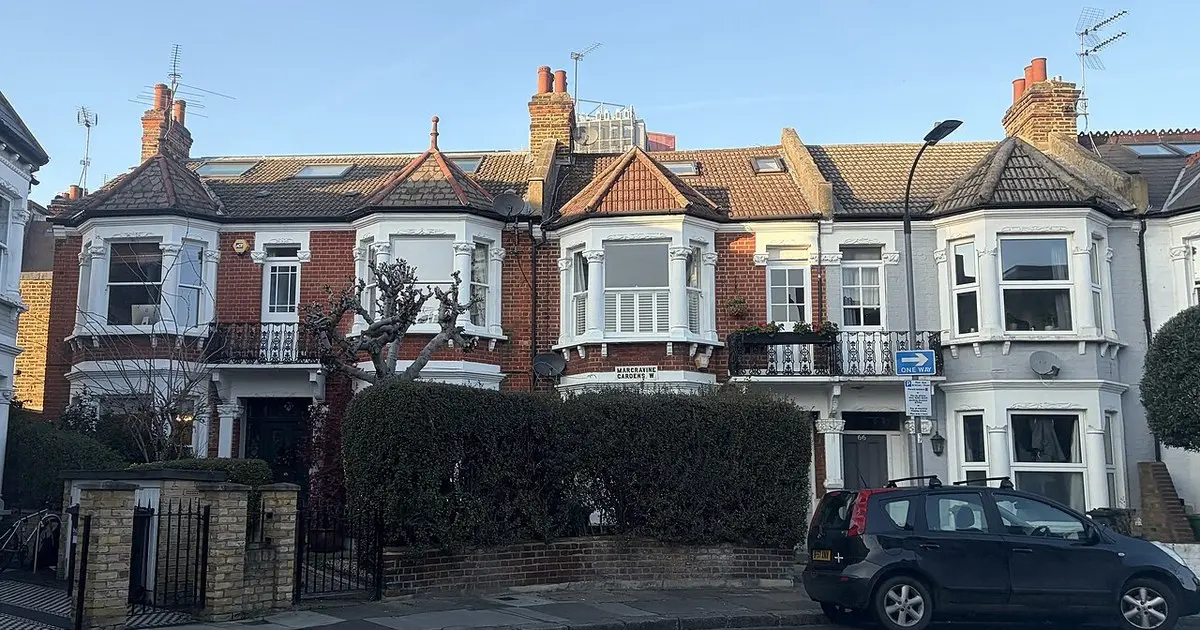
The restrictions will focus on Margravine Gardens and Margravine Road, near Claybrook Road and Charing Cross Hospital, after years of complaints from residents about congestion, noise and vehicles using local roads to dodge the traffic on the main routes nearby.
According to the council, more than 25,000 vehicles a month use the area as a shortcut, and around 80 per cent of those drivers live outside Hammersmith and Fulham. The neighbourhood sits close to the A4 and Fulham Palace Road, which makes its residential streets an attractive option for drivers trying to avoid queues.
Residents have raised particular concerns about traffic volumes along Margravine Gardens, Margravine Road and St Dunstan’s Road. The council says earlier attempts to deal with the problem, including new signage, parking changes and adjustments at junctions, brought only temporary relief before the traffic built back up.
How the cameras would work
ANPR cameras will monitor vehicles entering restricted sections of Margravine Gardens and Margravine Road. The idea is to discourage drivers from outside the area from using the streets as a through-route, rather than to close the roads altogether.
Access will be maintained for Hammersmith and Fulham residents, businesses, Charing Cross Hospital staff, patients and visitors, and other permitted users. Some parking bays will be removed so that drivers who are not exempt can turn around safely before they reach the restricted sections.
The council plans to write to local residents and businesses with more detail about how the scheme will operate, including the exemptions, and engagement sessions will be arranged so people can speak directly with council officers.
Main-road disruption has a habit of pushing traffic onto side streets across west London. Upper Richmond Road was closed by a police incident, and with seasonal works also affecting the capital’s busiest routes, Christmas roadworks and closures are set to hit London’s main roads — the sort of pressure that makes quiet residential streets look like a tempting alternative to drivers in a hurry.
Residents back action, council says
The council believes cutting unnecessary through-traffic will make the streets safer and more pleasant for the people who live there, and improve air quality as well. Its report states: “Feedback from residents has clearly indicated strong support for measures that specifically address rat-running traffic within the Barons Court area.”
A council spokesperson said residents had been asking for action for several years, and that the authority was working with local people and Charing Cross Hospital to develop the trial. The council said its objective was to improve safety and quality of life while keeping access open for residents and for people travelling to the hospital.
The scheme is also intended to support the council’s wider aims on public health, road safety and environmental protection.
Officials have acknowledged that the cameras could be targeted by vandals, and say there are plans to respond to any damage and carry out repairs where necessary.
Similar cameras already running in the borough
The Barons Court trial is not the first of its kind in Hammersmith and Fulham. The council has already introduced similar camera-enforced restrictions elsewhere in the borough, including at Weltje Road, where cameras were installed in October.
The Barons Court scheme will give the council another chance to judge whether camera-enforced restrictions can cut through-traffic without blocking the access that local people, businesses and the hospital rely on.
The proposal was subject to a councillor call-in deadline of Thursday 19 November. If the decision proceeds, the restrictions will operate on an experimental basis for 18 months before a decision is made about their longer-term future.
No installation or start date has yet been confirmed, and further information will be sent to households and businesses before the scheme begins.