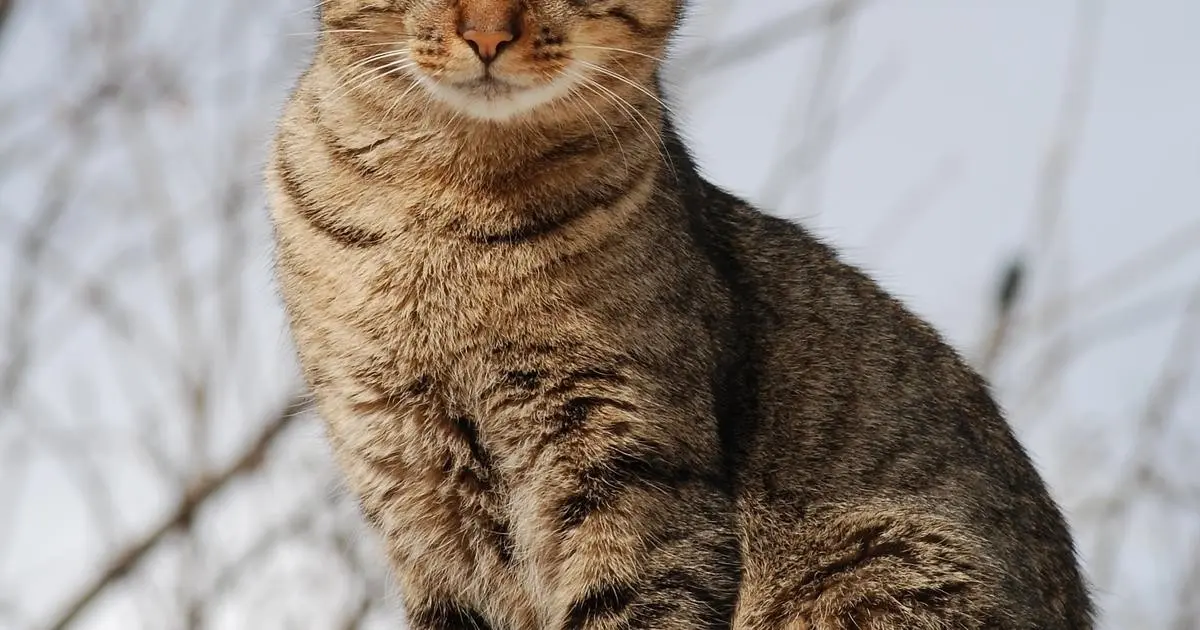
A Carshalton cat has made a remarkable recovery after receiving an emergency blood transfusion — from a dog owned by the vet who treated her.
Two-year-old Rolo was left critically ill after developing severe anaemia caused by a flea infestation. The beloved family pet was unable to eat or drink and had become so weak she could no longer move when she was rushed for emergency treatment at Vets Now in Sutton.
Seven per cent
Weekend emergency vet Paige Walker said tests revealed Rolo’s red blood cell count had fallen to just seven per cent — far below the normal level of around 30 per cent.
“Poor Rolo really was very poorly,” she said. “She’d collapsed and her gums were very pale which is a common indicator of anaemia. We did tests and her red blood cell count was down to seven per cent, which is one of the lowest levels I’ve ever seen in an adult cat. We had to move very quickly and the only potential option for keeping Rolo alive was an emergency blood transfusion.”
An unlikely donor
With no feline blood available at the time, Paige turned to an unusual but recognised emergency option: her own four-year-old cocker spaniel, Gin, who became Rolo’s life-saving donor.
“There wasn’t any cat blood available to us at that exact moment, and feline blood is extremely difficult to source, but luckily, as it was a Sunday afternoon, I happened to have Gin with me at work,” Paige explained.
“Of course, a transfusion of blood from a dog to a cat might on the surface sound quite surprising. But it’s actually an established option for one-off use in emergency circumstances like this, although it’s important to bear in mind that there is never a guarantee that it will have a successful outcome and it is not without risks to the patient.”
Full recovery
Around 60 millilitres of blood was taken from Gin before being transfused to Rolo, who was then monitored closely throughout the night. The procedure proved successful, and Rolo’s red blood cell count gradually began to rise.
The following morning, Rolo was deemed well enough to return to her daytime veterinary practice before later going home, where she was reunited with owner Louise Wood.
“I really thought we were going to lose Rolo and it felt at the vets like we were saying goodbye to her,” Louise said. “Paige was very kind and took the time to explain there was a chance of saving her if we tried the transfusion.”
A warning about fleas
Rolo’s ordeal began with something many pet owners might dismiss: a flea infestation. Severe flea infestations can cause life-threatening anaemia in cats, particularly in young or small animals, as the parasites feed on the animal’s blood.
Vets urge pet owners to keep up with regular flea treatments — a simple preventative step that can avoid emergencies like Rolo’s. Flea treatments are available as spot-ons, tablets and collars, and should be applied year-round, not just in summer.
Xenotransfusion: how it works
Transfusing blood between species — known as xenotransfusion — is rare but recognised in veterinary emergency medicine. Dog blood given to a cat is generally only viable as a one-off emergency measure: the cat’s immune system will typically destroy the foreign red blood cells within days, and a second transfusion could trigger a fatal reaction.
But in Rolo’s case, that one-off transfusion bought her body the critical time it needed to start producing its own red blood cells again — and it worked.
Feline blood is notoriously difficult to source. Unlike dogs, cats have strict blood type compatibility requirements, and there is no national feline blood bank in the UK on the scale of canine blood donation services. Many vets rely on donor cats registered with their practices.
Heroes of Sutton
As for Gin, the four-year-old cocker spaniel is back to normal life, presumably unaware of her starring role in one of Sutton’s most heartwarming animal rescues. Dogs can donate blood regularly — typically every three months — and veterinary blood donation services are always looking for new canine donors.
Rolo, meanwhile, is home in Carshalton with Louise, recovering fully — a cat with nine lives who has already used up at least one of them.
More community stories from across the capital: Shepherd’s Hill allotments celebrate 100 years.