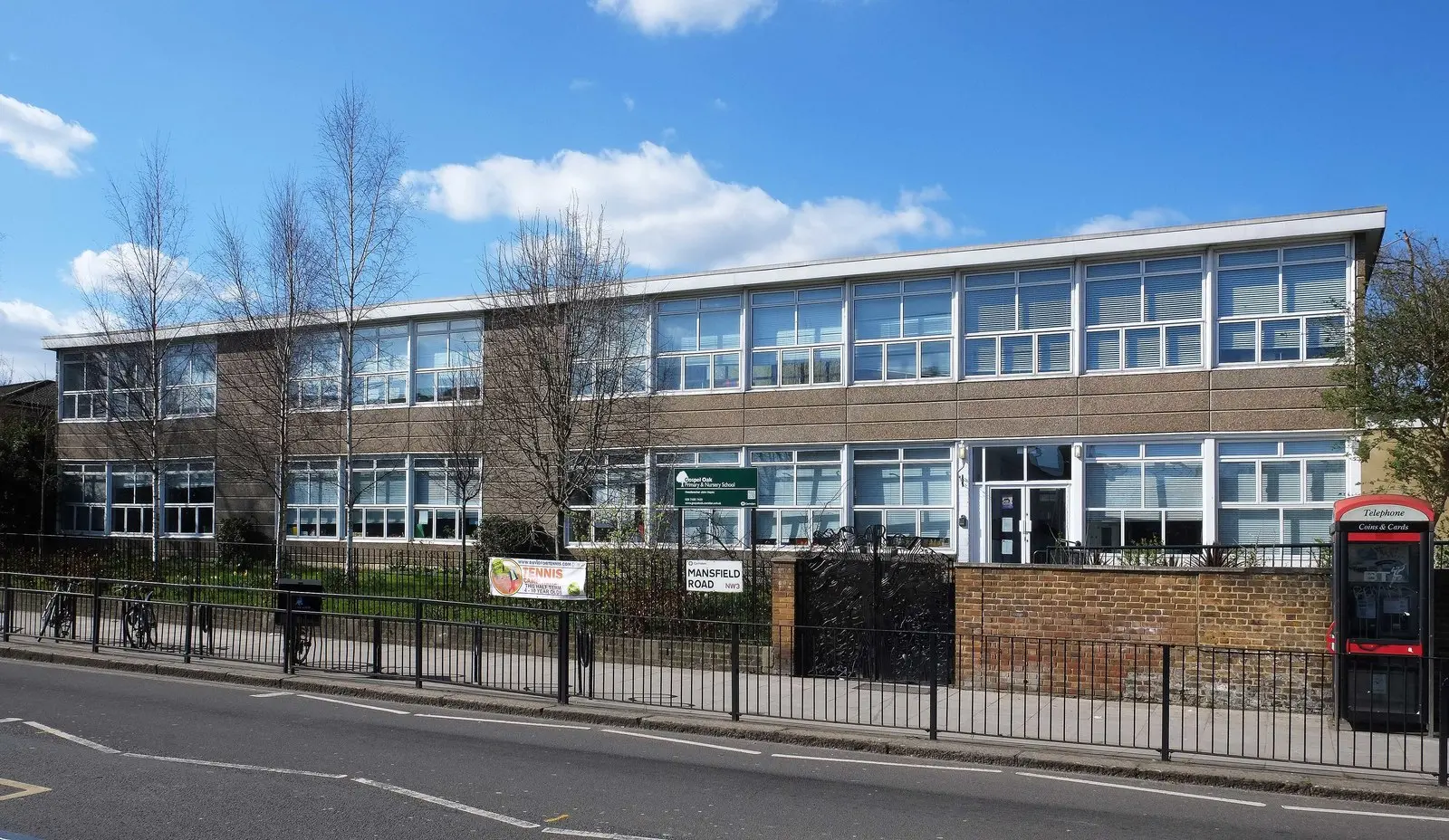
A north London family says it withdrew its nine-year-old son from a state primary school and enrolled him at a Jewish school after the boy reported that his teacher told him Jews were to blame for the October 7 Hamas massacre.
The allegation centres on an unnamed state primary school in north London. The boy’s father, who has asked to remain anonymous, said the incident happened earlier this year, after he had spoken to his son at home about the Hamas attack on Israel and the young people murdered at the Nova music festival.
The next day, the boy mentioned the conversation to his teacher. According to the child, she replied: “Actually, it’s the other way around.” He understood her to mean that Jews had attacked Palestinians — and, his father alleged, the teacher appeared to cast Hamas as “freedom fighters”. The family presents all of this as its own account of what happened.
The parents contacted the school and asked for antisemitism awareness training to be given to staff. In response, they said, they were told that staff could not be forced to engage with political matters: “We can’t force the staff into politics.”
The father replied that the murder of innocent people was not politics but an event now marked in history, according to the report.
He later met the school’s deputy head, who took notes on his complaint and said the matter would be taken up with the teacher. But the father said no update ever came, despite him contacting the school office and sending a follow-up email asking whether the incident was being investigated and what action had been taken. In the email he also suggested the teacher visit an exhibition about the Nova massacre then showing in London, and offered to help find organisations able to deliver antisemitism training.
On the final day of the school year he approached the headteacher, but said he was told she was not involved in the matter and that her deputy would contact him. No contact came, he said.
“As a parent, I was devastated,” the father said. “We felt forced to move our son out of his school, and were desperate.”
At the start of the current school year the family secured a place for the boy at a Jewish school. Within weeks, his father said, his emotional wellbeing began to recover: at pick-up time he was smiling, chatty and energised. “He seems to be rebuilding the self-confidence that he totally lost.”
The father said the experience had destroyed his trust in non-Jewish schooling and that he would never again send his son to a non-Jewish school.
According to the family’s account, it was not the first time the boy had faced hostility over his Jewish identity at school. Last year, when he was eight, he spoke warmly at school about Israel’s Eurovision entrant — and was met, his father said, with a shouted profanity about Israel from one pupil while two others chanted “Free Palestine”.
Neither the school nor the teacher has been reported to have responded to the allegations. The school has not been named.
Wider concern over antisemitism in schools
Jewish organisations have pointed to the case as a sign of the pressures Jewish pupils can face in mainstream schools. A spokesperson for the Jewish Leadership Council said it underlined the urgent need to publish the findings of Sir David Bell’s independent review into antisemitism in schools and universities, commissioned by the Department for Education last year.
The family’s account echoes testimony gathered by the campaign group Parents Against Antisemitism, whose report on the issue is said to contain more than 100 testimonies from families describing antisemitic incidents in schools.
It follows other incidents involving Jewish schoolchildren in London this year, including an alleged antisemitic assault on three Jewish schoolboys on a bus in Mill Hill, which the Metropolitan Police treated as a hate crime.
Calls for better education about antisemitism are not new: Jewish educators in Britain have long stressed the importance of teaching about the Holocaust in schools, among them Kindertransport refugee Rev Bernd Koschland, who devoted his later life to Holocaust education.
What parents can do
For parents who feel a school has not dealt properly with a complaint, there is a formal escalation route.
The first step is to raise the concern with the school itself under its published complaints procedure — most schools aim to resolve issues at this stage, usually via the headteacher. If the response is unsatisfactory, the next step is a formal complaint to the school’s board of governors, which holds the leadership to account.
For maintained schools, parents can then take the matter to the local council, which can check whether the complaints process was followed. The Department for Education can also consider complaints about a school’s handling of a case once the school’s own process has been exhausted. In cases involving possible discrimination, schools can additionally be referred to the equality watchdog — as happened when a Barnet academy was reported to the Equality and Human Rights Commission over a uniform policy.
Community organisations, including the Community Security Trust, also offer guidance to families dealing with antisemitic incidents in schools.
All of the claims in the report are presented as the family’s account.