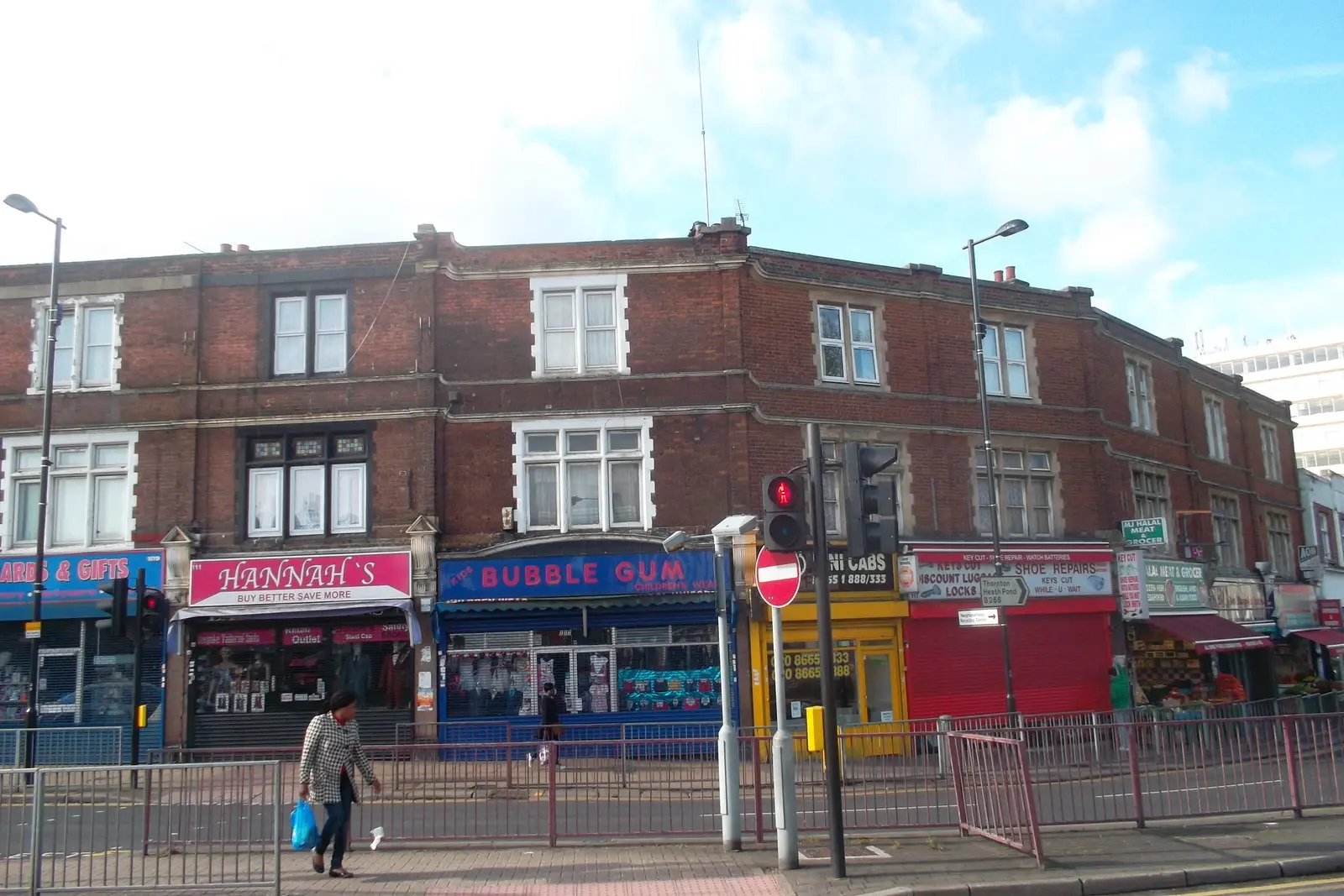
A family-run Brazilian butcher and grocer in Thornton Heath wants to start selling beer and spirits — but the plan has run into opposition because the shop sits inside one of Croydon Council’s cumulative impact areas, where new takeaway alcohol licences face an uphill battle.
RB Imports Ltd, which trades from 1056 London Road, has applied for permission to sell alcohol for consumption both on and off the premises between 10am and 10pm, seven days a week.
The owners want to introduce a small range of Brazilian beers and cachaça, the sugarcane spirit behind the caipirinha cocktail, alongside the shop’s existing offer of fresh meat, frozen foods and other traditional products.
But the premises lies within one of the five cumulative impact areas Croydon Council uses to manage streets where the concentration of licensed premises is linked to crime, disorder and public nuisance.
Under the council’s licensing policy, there is a general presumption that new applications to sell takeaway alcohol in these zones will be refused where a relevant representation has been made — though the policy stops short of an automatic ban.
That presumption formed the basis of an objection from local resident Graham Mitchell, who addressed councillors at a licensing meeting on October 12.
Mr Mitchell said he welcomed the business itself, describing it as a good addition to the community, but argued the committee had to test whether the off-sales element justified an exception to the council’s policy.
The question before the committee, he said, was not whether RB Imports was a good business, but whether the case had been made for adding another premises authorised to sell alcohol for consumption off the premises within a cumulative impact area.
Applicant says alcohol sales will stay ‘ancillary’
Applicant Luiz Borges told the meeting the alcohol offer would remain ancillary to the shop’s main trade in food. “We have no intention of changing our business into an alcohol focused shop, we are not an off-licence,” he said.
He said the family already runs a similar Brazilian grocery on Streatham High Road, where customers routinely buy alcohol alongside their weekly shop to take home rather than seeking out cheap drink.
The application has already been amended following discussions with the Metropolitan Police and the council’s licensing officer. Safeguarding measures include CCTV, a Challenge 25 age-verification policy and other steps aimed at the responsible sale of alcohol.
Mr Borges said staff monitor for street drinking, refuse sales to intoxicated customers and would display notices discouraging drinking on the street. He also indicated the business was open to limiting takeaway alcohol sales to customers who were also buying groceries — and the application was subsequently amended to make that restriction part of the proposal.
Mr Mitchell welcomed the change but said he remained unconvinced that the commercial and cultural link between the products and the business amounted to the genuinely exceptional circumstances needed to overcome the cumulative impact presumption.
Croydon Council reviewed its five cumulative impact areas earlier this year and decided all should remain in place.
What is a cumulative impact area?
Under the Licensing Act 2003, councils can designate cumulative impact areas where evidence shows the number or density of licensed premises is undermining the licensing objectives: the prevention of crime and disorder, public safety, the prevention of public nuisance and the protection of children from harm.
In these zones the starting point is reversed. Instead of the council having to show why a licence should be refused, the applicant is expected to demonstrate that their premises will not add to the existing problems. It is not a blanket ban — each application is still decided on its merits — but the bar is set deliberately high.
The application at a glance
- Applicant: RB Imports Ltd
- Premises: 1056 London Road, Thornton Heath
- Hours sought: 10am to 10pm, seven days a week, for on and off sales
- Products: Brazilian beers and cachaça alongside fresh meat, frozen foods and groceries
- Safeguards: CCTV, Challenge 25 age checks, refusal of sales to intoxicated customers, notices discouraging street drinking
- Key condition: takeaway alcohol restricted to customers also buying groceries
- Objection: the shop sits in a cumulative impact area where new off-sales face a presumption of refusal
What happens next
The licensing sub-committee will now decide whether to grant the application as amended, grant it with additional conditions, or refuse it. If the bid is refused, the applicant has the right of appeal to the magistrates’ court.
The decision will be watched closely by other independent food retailers in Croydon’s cumulative impact areas, where the balance between supporting new businesses and managing alcohol-related harm remains a live debate.
The case also lands as Croydon’s retail scene continues to shift. A closing-down sale is under way at TGJones in the Whitgift Centre, while independent food and drink businesses elsewhere in London keep expanding — from a new pizza branch in Greenwich to a father-and-son team taking over a historic Plumstead pub.