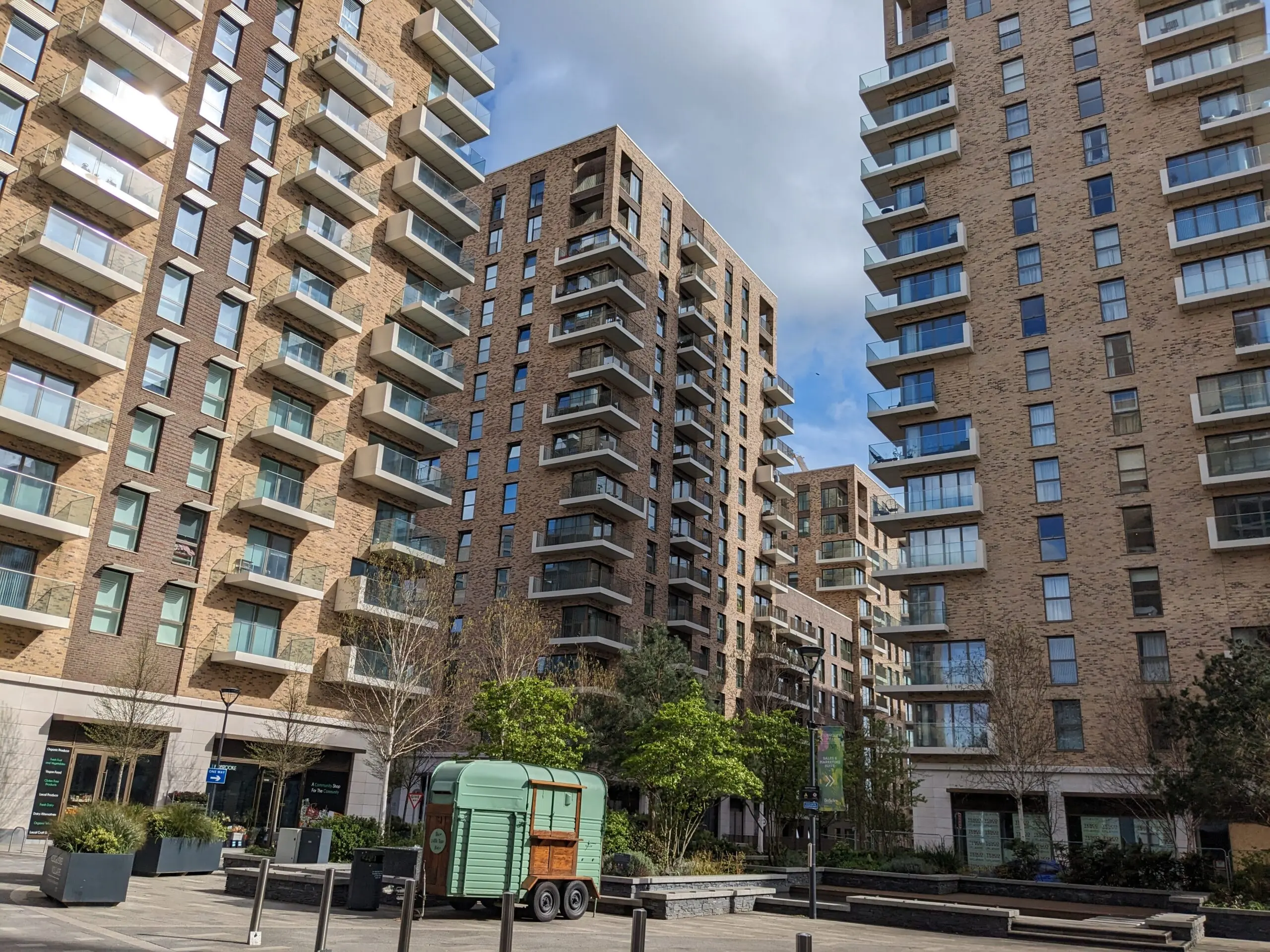
Crime in the streets around a south London police base that the public cannot enter has risen by more than a quarter since the Metropolitan Police replaced its traditional front counter with a touchscreen tablet mounted on an outside wall.
The community hub in Kidbrooke is part of a pilot scheme that puts neighbourhood officers inside a building closed to residents, leaving an electronic tablet as the only means of contacting the force at the door. The screen displays crime prevention information and allows callers to dial 101 or 999 to speak to an operator.
The experiment in Kidbrooke, in the Royal Borough of Greenwich, comes as face-to-face policing retreats across the capital. More than 100 police station counters have closed since 2007, and a further ten front desks were shut this year in a move the force says will save £7 million. Sir Mark Rowley, the Met commissioner, has said the savings will be redirected to prioritise frontline policing.
At the Kidbrooke site, a large sign on the side of the building tells passers-by the hub is closed to members of the public. The Met says the purpose of the tablet and the hub is to embed officers in the community, arguing the arrangement will boost frontline resources, improve response times and enhance public safety.
Analysis of crime data, however, shows offending in the ward of Kidbrooke Village & Sutcliffe has increased since the hub opened. An average of 99 crimes were reported in the three months to August — up 27 per cent on the 78 recorded in the same period last year. Although crime fell in the months immediately after the hub became operational, it has since climbed back up. The rise was driven by violent and sexual offences, which accounted for 40 per cent of all offences recorded in August.
One resident who tried to use the tablet found it switched off. Kate Hale, 51, a senior personal assistant who has lived in the area for almost two years, walked to the hub after an off-lead alsatian nearly attacked her dog, hoping to report the incident.
“I went over but the tablet wasn’t even switched on and there was no signage to help me,” she said. She added that, living alone like many others in the development, she had thought having the hub nearby would be very reassuring — but was not so sure if the tablet was the only form of communication available.
The Met said the screen had not been working because of technical issues which have since been resolved.
Further analysis showed a large proportion of crimes in the Kidbrooke area were committed within 100 metres of the community hub. Most of the offences recorded close to the hub were shoplifting and antisocial behaviour, and none of the 14 crimes recorded within 50 metres of the hub in August has led to a charge. The picture reflects wider concerns about violent crime across the capital, where several boroughs have recorded sharp rises in offences.
Asked under freedom of information laws how many crimes had been logged using the tablet, the Met refused to disclose the figures, saying the touchscreen pilot does not track how many crime reports are made from the hub’s location. The force said it was unable to identify how many reports had come through the devices, explaining that calls made on the tablet to 101 or 999 are logged simply as telephone calls. The screen, it said, should be regarded as an alternative to the traditional yellow telephones mounted outside some police stations.
A second community hub has opened in Woodford Green, in northeast London, but that site has no electronic tablet — and there are no plans to install any other outdoor interactive screens in the capital.
The Met said officers based at the Kidbrooke hub regularly hold surgeries in nearby community centres, and insisted it remains committed to tackling the crimes that matter most to the local community, including theft, burglary and antisocial behaviour. The hub opened in 2025 as part of a partnership between the police, the council and the developer, intended as a base for local neighbourhood officers so they can stay close to the communities they serve instead of travelling in from a police station elsewhere in the borough.
Greenwich council said the hub is operated by the Metropolitan Police Service and that the council is not responsible for its day-to-day operation, staffing or the touchscreen pilot. The Royal Borough of Greenwich said it had invested £782,000 alongside the Metropolitan Police Service and Berkeley Homes to help deliver the hub in Kidbrooke Village, adding that it recognises residents need to know how and where they can report crime and access police support.
The Kidbrooke experiment is likely to intensify debate over how the Met engages with the public as station counters continue to disappear. The force still relies on the public’s help to solve serious offences elsewhere in London, from an arson attack in Maida Vale to major investigations that end in the courts, such as the recent conviction over a murder in Earls Court.
Whether a tablet on a wall can ever replace a conversation across a counter remains, for residents like Ms Hale, an open question. She said speaking to someone to report what was happening would have been much more helpful — allowing officers to ask the right questions, assess any element of risk and offer reassurance.