


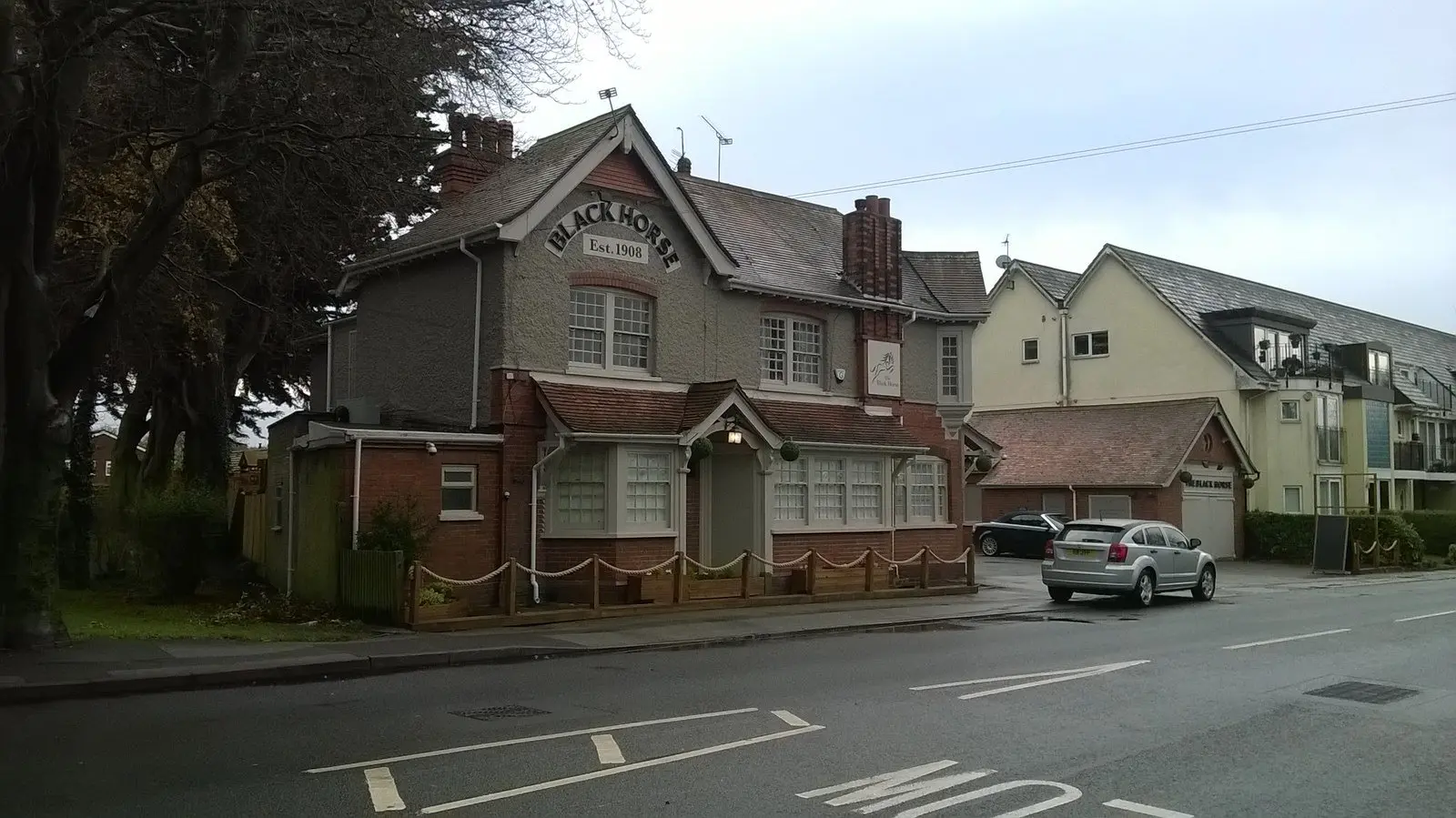
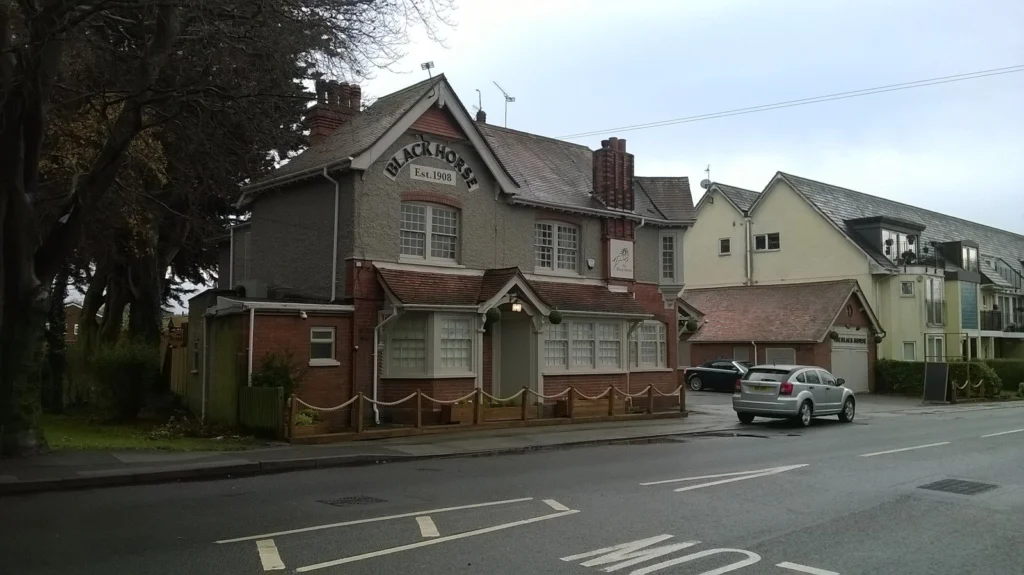
The Black Horse pub in Biggin Hill is facing fresh uncertainty after being put on the market with a guide price of £75,000.
The sale covers the leasehold interest rather than the freehold of the building itself, and is pitched as a going concern that is not tied to a brewery for its beer supply, with room to develop the food side of the trade. Living quarters come as part of the deal, in the form of three-bedroom accommodation above the bar.
For drinkers, the layout will be familiar: a main bar alongside a games room and a smaller snug, plus a garden with space for around 90 to 100 people and a car park. The asking figure includes the fixtures and fittings already in place, although whoever takes over would also need to pay separately for the stock on hand, valued once a deal is agreed.
A pub shaped by the airfield on its doorstep
Few London pubs can claim such a dramatic neighbour. The Black Horse is the closest pub to Biggin Hill airfield, the famous Battle of Britain station that endured intense attacks during the Second World War and still defines much of the area’s identity. That proximity has long made the pub a natural meeting point for aviation enthusiasts as well as local residents.
The pub’s own story stretches back to the nineteenth century. Two cottages originally occupied the site before they were replaced by the current pub in 1908, built for the Nalder & Collyer brewery. The date is still proudly displayed on the front of the building, a reminder of how central the pub has been to village life for well over a century. The team currently running the Black Horse have been in charge since 2017, giving the pub a period of stability regulars will be keen to see continue.
What a £75,000 price tag actually means
At first glance, £75,000 can sound remarkably little for a London pub, but the figure needs context. This is a leasehold sale, so a buyer is purchasing the right to run the business for the remainder of a lease, not buying the bricks and mortar outright. On top of the upfront price there would typically be ongoing rent, business rates, licensing costs and staffing, which is why leasehold pubs on the capital’s fringe often change hands for sums that look modest next to freehold values.
The free-of-tie element matters, too. It means an incoming operator is not obliged to buy beer from a particular brewery or pub company, and can shop around for the best deals — a freedom that can help margins when costs are rising. Across Bromley and the wider London pub market, operators point to the same pressures: higher energy bills, wage costs and customers watching their spending. In that climate, growing food sales is often what makes a village pub viable. Just a short distance away, plans to restore Biggin Hill’s historic Old Jail have shown how much appetite there is locally to see traditional pubs revived rather than lost.
What usually happens next for a village pub like this
A sale listing does not automatically mean last orders. In many cases the pub keeps trading as normal while viewings take place, and the outcome locals hope for is a straightforward change of operator with the doors staying open throughout. A new leaseholder would need the appropriate licensing arrangements in place, would usually negotiate over fixtures and stock, and would then look to win over regulars quickly — because goodwill is a huge part of what is actually being bought.
That said, village pubs face a delicate balance. They must pay their way, but they are also social hubs, and Bromley residents have repeatedly rallied to protect much-loved venues, as the huge campaign to save Beckenham’s historic ODEON cinema showed for another piece of the borough’s heritage. Investment can make the difference: in West Hampstead, the Black Lion’s six-figure refurbishment showed how new money can reset a pub’s fortunes.
For Biggin Hill, the hope will be that the Black Horse follows the revival path. With its airfield heritage, garden, parking and accommodation for whoever runs it, the pub has the raw ingredients many operators look for. Whether a buyer steps forward quickly will determine if this is simply a change behind the bar or the start of a longer period of uncertainty. For now, the sign above the door still reads Est. 1908 — and regulars will be watching closely to see who writes the next chapter.