


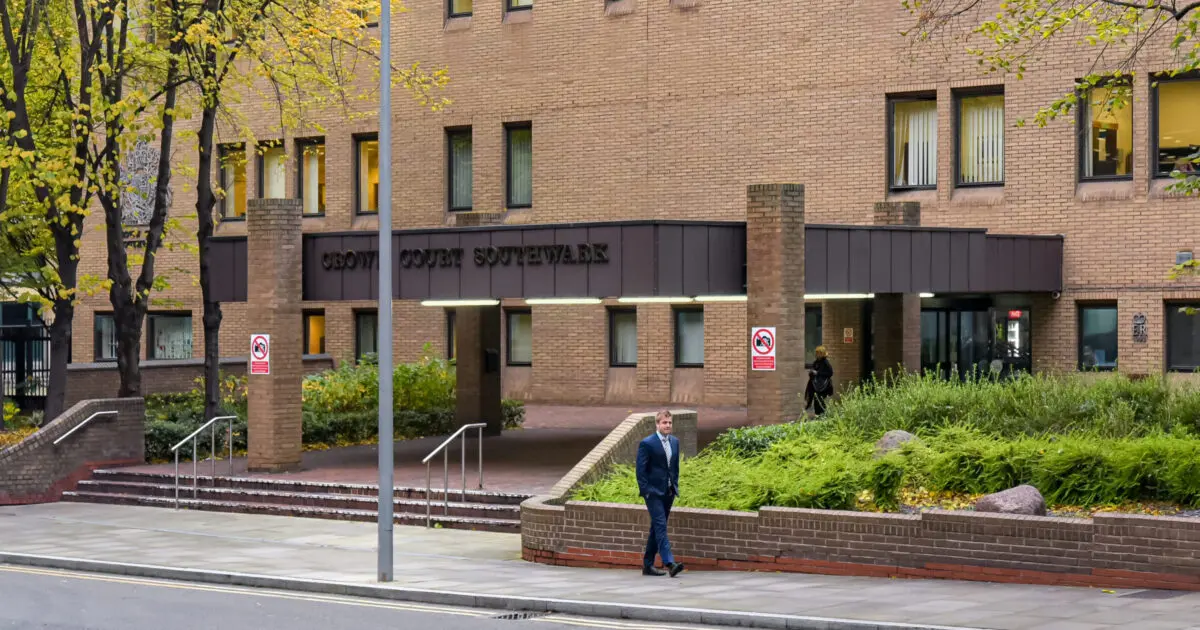
A fraudster who persuaded more than 30 people to pay for a London flat he had no right to let has had his prison sentence reduced by the Court of Appeal.
Frederic Priestley, 34, was originally jailed for two years and 11 months in June after taking nearly £77,500 through the bogus rental arrangement. Three appeal judges have now cut that term to two years, although they refused a request to suspend the sentence, so he will remain in prison.
How the rental scam worked
Between April and September 2025, Priestley falsely advertised a London flat on Facebook. People who responded were shown fake tenancy agreements and asked to pay deposits and rent in advance for a property he did not own.
The losses built up over several months. More than 30 victims handed over money, and the total reached nearly £77,500. Some were international students who were left struggling to secure alternative housing. Others later learned that their banks would not compensate them.
Priestley was arrested on 9 October 2025. He pleaded guilty in April to one count of fraud by false representation and was sentenced in June to the term that has now been reduced.
What the Court of Appeal decided
At the appeal hearing, barristers argued that the sentence should be both reduced and suspended. Lady Justice Andrews, sitting with Mrs Justice McGowan and Mr Justice Hilliard, concluded that the sentencing judge had made “insufficient allowance” for the mitigating factors in the case.
Those factors included a gambling addiction that Priestley developed after the breakdown of a relationship. Giving the court’s decision, Lady Justice Andrews said that, while the addiction did not excuse what he had done, it did help to explain it.
The court also heard that Priestley had confessed to some victims before he was arrested, telling them he had relapsed into gambling, was ashamed of his actions and was sorry for taking their money.
The judges reduced the custodial term to two years but did not agree that it should be suspended. That distinction matters: the sentence is shorter, but it remains an immediate prison sentence rather than one served in the community under conditions.
How sentence reductions on appeal work
The Court of Appeal does not usually approach an appeal as a completely fresh sentencing exercise. In general, it considers whether the original sentence was wrong in principle, was based on an error, or was manifestly excessive, and whether the judge gave enough weight to matters such as a guilty plea and personal mitigation.
If the original term cannot stand, the court can quash it and substitute a different sentence. If it finds no material error, the appeal can be dismissed and the original sentence stays in place. A shorter sentence does not mean the court has treated the offending itself as minor.
Priestley’s case shows how those questions can be answered differently. The judges were persuaded that mitigation deserved greater weight, so the term came down. But the scale of the fraud, the number of victims and the period over which money was taken still supported immediate custody, so they declined to suspend the reduced sentence.
How renters can check a home before paying
Rental fraud often depends on speed and trust. A convincing advert, a plausible tenancy document and pressure to act quickly can be enough to get a deposit sent. A few checks can make a bogus letting harder to pull off:
- View the property in person where possible, and be cautious if the person advertising it cannot show genuine access to the inside.
- Ask who owns the property and who is entitled to let it. Check the answers against official records or a reputable agent rather than relying only on a social media profile.
- Be wary of urgent payment requests, unusually low rent for the area, or excuses for why proof of ownership cannot be provided.
- Keep the advert, messages, tenancy documents, payment references and receipts. They can be important evidence for your bank and for a fraud report.
- For most assured shorthold tenancies in England, a deposit must be placed in a government-backed scheme within 30 days and the tenant must be given the prescribed information. Ask which scheme will be used — the recognised schemes are the Deposit Protection Service, MyDeposits and the Tenancy Deposit Scheme — and check the details.
- If you think you have paid a fraudster, contact your bank as soon as you can and report the matter through the official fraud-reporting route. Acting quickly may improve the chances of a payment being traced.
Those checks cannot remove every risk in a fast-moving market, but they can help renters separate a genuine letting from a listing built only to collect deposits.
For Priestley’s victims, the appeal does not change the fact that they were defrauded. It simply reduces the time he will spend in prison for it, from two years and 11 months to two years.