


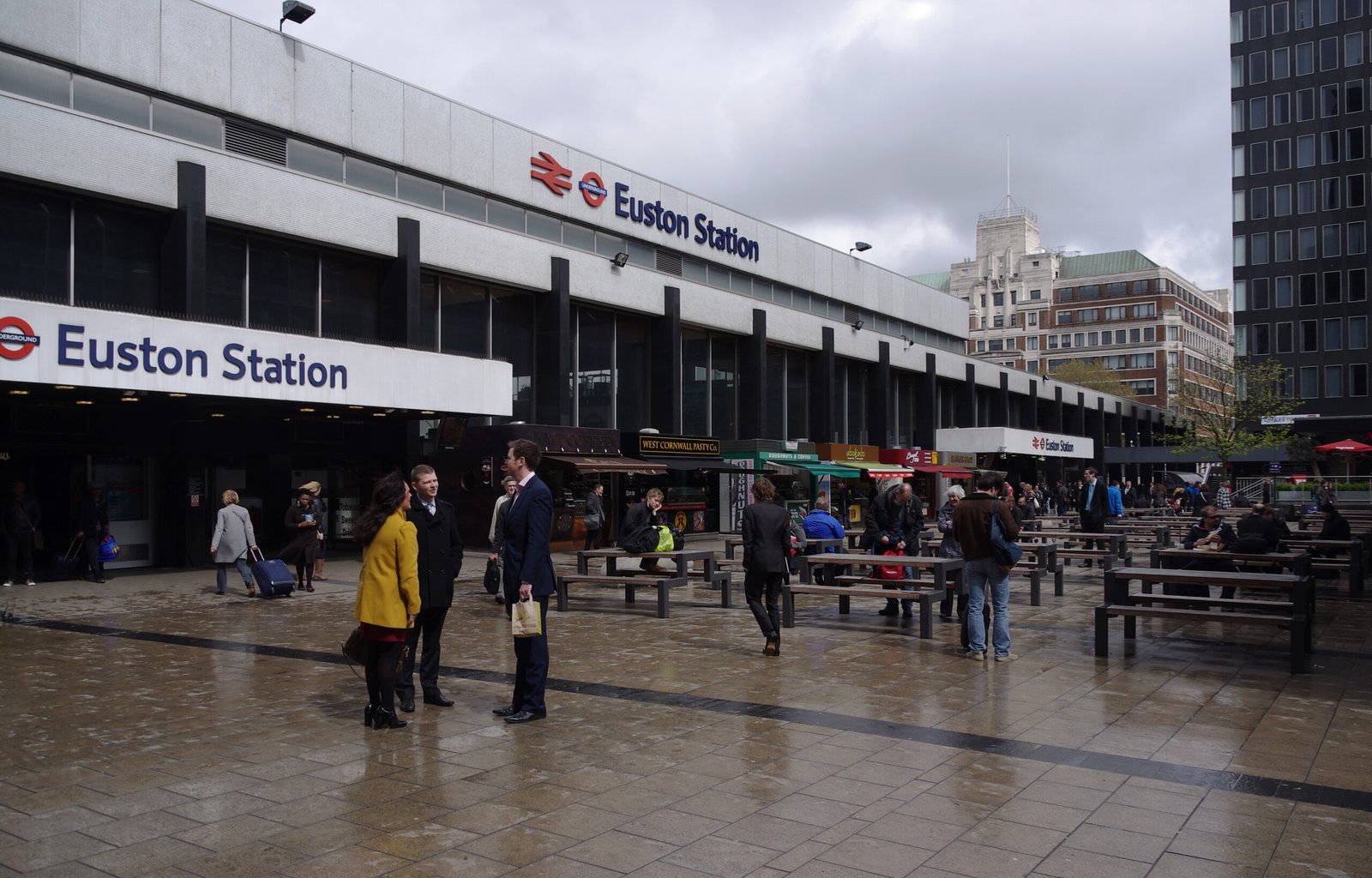
Plans to launch new open-access train services from London Euston to Wrexham, Rochdale and Blackpool have been rejected after the rail regulator warned the extra trains would likely increase delays and cancellations for passengers.
The Office of Rail and Road (ORR) turned down applications from three would-be operators — Wrexham, Shropshire and Midlands Railway, Lumo and Avanti West Coast — ruling that the crowded West Coast Main Line could not absorb the extra services without damaging reliability for everyone who uses it.
Under the proposals, Wrexham, Shropshire and Midlands Railway (WSMR) wanted to run four daily return services between Wrexham and the capital. Lumo asked to operate up to four return services each day between Rochdale and London Euston on weekdays and Saturdays, with three on Sundays. Avanti West Coast, the route’s current main operator, applied to add further trains between Blackpool and Euston.
But the regulator concluded the timetable is already too full to accommodate them. The ORR said the applications would “likely increase delays and cancelled trains for passengers”, dealing a blow to hopes of new direct links from London to North Wales, Greater Manchester and the Lancashire coast.
Stephanie Tobyn, the ORR’s director of strategy, policy and reform, acknowledged the appeal of the bids: “New services, destinations and greater choice can bring real benefits for passengers and communities.”
She added, however: “The West Coast Main Line is already under significant pressure, with performance reflecting limited resilience on a heavily used part of the rail network.”
“Our detailed analysis has shown that adding more trains to the current timetable would reduce the ability to recover when disruption occurs, increasing the risk of delays spreading and making reliability of the network worse for all passengers.”
An ORR spokesperson said: “Gaps in the current timetable need to provide important space for trains to recover when disruption occurs, minimising delays to passengers.” They added: “Adding more services into these windows in the timetable for recovery would reduce that resilience, increasing the risk of disruption spreading to other services and affecting more passengers.”
Open-access operators differ from franchised train companies in that they run services at their own commercial risk, without public subsidy, usually competing with an established operator on the same route. Britain’s current open-access operators include Hull Trains and Grand Central, while Lumo — one of the rejected bidders — already runs open-access trains between London King’s Cross and Edinburgh on the East Coast Main Line.
The decision is a setback for civic leaders and campaigners who have long argued that Wrexham, Rochdale and Blackpool deserve direct rail connections to the capital. Passengers in those towns must for now continue to change trains or rely on existing services.
But the regulator’s priority was protecting the millions of journeys already made each year on the West Coast Main Line — one of Britain’s busiest mixed-traffic railways, carrying intercity, commuter and freight trains between London, the West Midlands, the North West and Scotland. It is also one of the network’s most delay-prone corridors, where even minor disruption can quickly cascade across the timetable.
Similar open-access applications for the route were refused by the ORR in 2025, underlining how little spare capacity the regulator believes the line has left.
The bidders could return with revised proposals that address the capacity concerns, but any future application would need to demonstrate it can run without worsening punctuality. For the time being, the timetable stands — and the watchdog has made clear that reliability comes before expansion.
For Londoners, the ruling means no new direct trains to North Wales, northern Greater Manchester or the Lancashire coast in the near future. Those looking for cheaper trips from Euston will have to stick with the existing operators for now, as the regulator bets that preserving breathing space in the timetable will do passengers more good than extra services that risk making every journey less dependable.