


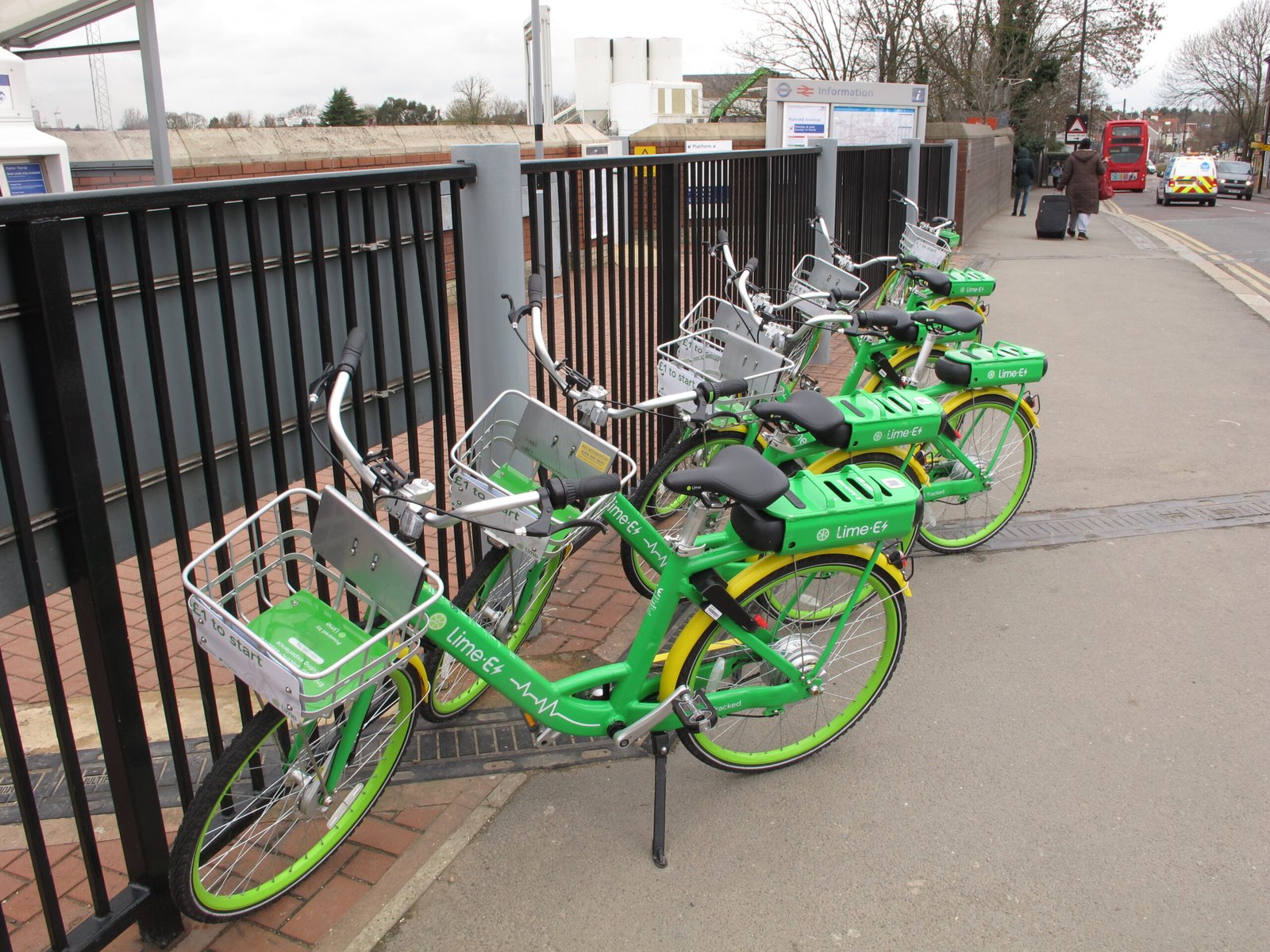
A father of three who suffered a cardiac arrest after a Lime hire bike knocked him into the path of a coach just yards from the Houses of Parliament has been reunited with the London paramedics who helped bring him back to life.
Victor Arotsky, 53, from Hendon, was out for a lunchtime run last June when the collision sent him tumbling underneath the coach, leaving him with devastating crush injuries to his head and chest. His heart stopped at the roadside.
The first people to reach him were officers from the Metropolitan Police’s Diplomatic Protection Unit, who hauled him out from beneath the vehicle and began CPR on the spot. Paramedics from the London Ambulance Service arrived alongside the London Air Ambulance team, cleared his airway and fought to stabilise him for the journey to hospital.
What followed was a long and gruelling fight back: four weeks in a coma, six weeks in a high-dependency ward and another month in rehabilitation. The injuries have left him blind in one eye, partially sighted in the other and with hearing loss in one ear — consequences he will live with for the rest of his life.
At an emotional reunion, Mr Arotsky and his wife Vicky came face to face with paramedics Scott Lummes, Charlotte Miller and Caitlin Gray to thank them in person. “If I lived 1,000 more years there still would not be enough time for me to express the gratitude I have to everyone that helped rescue me that day,” he told them. “I hope you all realise how amazing you are and the vital service you provide. If it weren’t for you, my family would be without a father and husband.”
Paramedic Caitlin Gray admitted she had feared the worst when she arrived at the scene. “When I arrived on the scene, I was extremely worried for Victor,” she said. “His injuries were so severe, it was clear he was critically unwell and needed urgent care. It was a team effort rescuing Victor, and because of the fast action of the paramedics, police officers and other first responders at the scene, he survived against the odds. It has been brilliant to meet him again and see how well he is doing. His positivity and sense of humour after such an awful accident is inspirational.”
That humour is very much intact. Mr Arotsky apologised to the crews for the “massive mess I caused that day” and has been joking with colleagues that it took him “six months to return to the office from my lunchtime run”. He is back at work and, as a keen runner, now covers 10km three or four times a week.
Chief paramedic Pauline Cranmer QAM said: “Every day our paramedics save lives across the capital. Victor’s incredible rescue was a true team effort, with every person playing a vital role in his care. Faced with extremely challenging circumstances, the crews worked together effectively to give Victor the best possible chance of survival. The paramedics involved should all be immensely proud of how they performed that day.”
To mark the reunion, the Arotsky family joined the paramedics and police officers who saved him for a special tour of 10 Downing Street.
Every minute matters
Mr Arotsky’s survival underlines a brutal truth about cardiac arrests: time is everything. Only around one in ten people survive an out-of-hospital cardiac arrest, and the odds fall with every minute that passes without CPR and defibrillation. The London Ambulance Service — the busiest in the country, answering well over a million 999 calls a year — aims to reach the most urgent Category 1 calls, which include cardiac arrests, in seven minutes on average. That officers at the scene started chest compressions within moments of the crash gave Mr Arotsky the fighting chance the statistics say so few receive.
Hire bikes under scrutiny
The crash has also thrown fresh light on the safety of hire e-bikes on London’s streets. Dockless bikes are now part of the furniture across the capital, but so are the complaints: machines ridden fast along pavements, dumped across footways and near-misses with pedestrians. The mayor has promised a London-wide crackdown on what he has called the “Wild West” of dockless hire bikes, with tougher rules on where the bikes can be left and how they are ridden.
It is far from the only serious incident involving an e-bike on the capital’s roads. A teenage rider died after a crash on Eltham Hill, prompting a police appeal for witnesses — while on the A2 near Gravesend, the air ambulance had to touch down after a motorcyclist was hurt in a crash, a reminder of the sheer scale of the emergency response the worst collisions demand.
For Mr Arotsky, the statistics and the policy debates are secondary. Reflecting on the crash, he said “everything has changed, and nothing has” since that day last June — a man rebuilt by months of hospital care, still running, still laughing, and forever grateful to the strangers who refused to let him die at the roadside.