


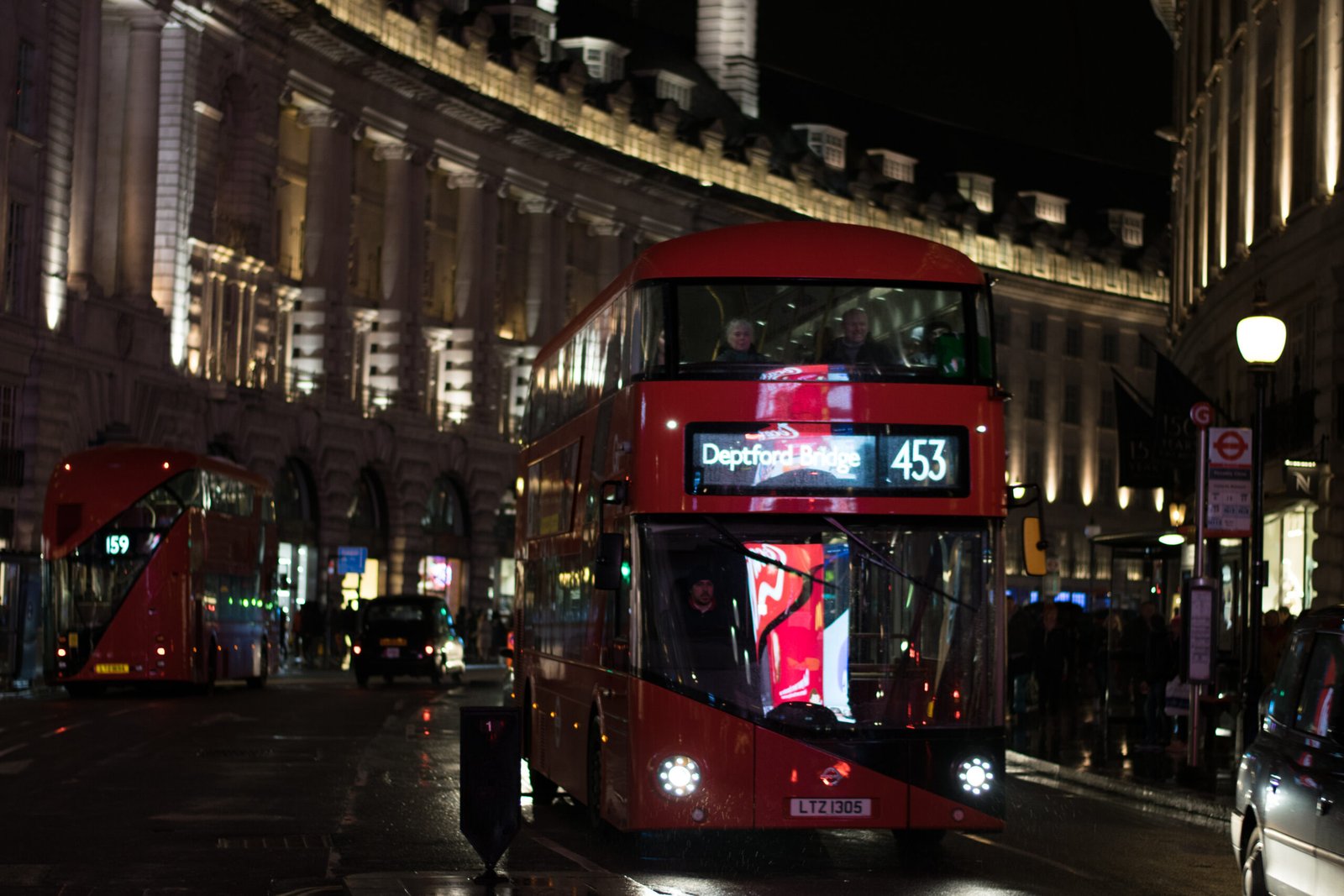
Fed-up Londoners are calling for fines to be handed to bus passengers who play music out loud from their phones — inspired by tough new rules introduced in Singapore.
The city-state recently brought in penalties of up to $500 Singapore dollars — about £293 — for bus passengers caught putting their feet on seats, playing loud audio, eating, drinking or littering on board. A further fine of up to $5,000 applies to more serious offences, including creating obstructions or, in the words of the legislation, “the soiling of any part of a public bus, bus interchange, or terminal”.
The new law caught the eye of commuters on the Reddit forum R/London, where one user asked simply: “Why can’t we implement this?” The idea struck a chord. “I’d happily see this brought in here,” one local replied. “Playing music out loud on a bus is just obnoxious.”
Others wanted to go further. One commuter said they also wanted people to stop taking phone calls on loudspeaker, “like it’s a walkie-talkie” — branding the habit wildly inappropriate.
Not everyone is convinced it would work in London. “Fining people is genuinely really hard though,” one user argued. “We can’t fine kids because they don’t have any source of income and it’s really hard to fine adults without much money either.” They added that societies with good compliance tend to have “a strong culture of rule-following, enforced by social pressures”, with legal penalties “symbolic and rarely needed”.
What many passengers may not realise is that playing music aloud on London’s buses and Tubes is already against the rules. TfL byelaws prohibit it without written permission. Responding to a recent freedom of information request, TfL said: “TfL byelaws prohibit playing music or streaming content aloud on the network without written permission. We want everyone to have a pleasant and comfortable journey on our services.”
The transport authority says the vast majority of Londoners do plug in when watching or listening to content — but a minority use their device’s speakers or make calls in speaker mode, “which can cause discomfort and disruption to other customers”. TfL notes this can be “especially acute for those with conditions which heighten noise sensitivity, such as autism”.
Where the rules are broken, TfL says its enforcement officers would normally engage with the passenger first, explaining the rules and encouraging compliance. “If a customer fails to comply, Enforcement officers can deny travel, remove them from the network, and/or refer them for prosecution.”
The debate highlights the gap between the rules as written and the reality of the night bus home. The byelaws give TfL’s officers real teeth — up to prosecution — yet many passengers will never have seen them used, which is exactly why some Londoners want fixed, visible penalties instead. And with bus speeds in the capital falling to their lowest level in a decade, the onboard experience matters more than ever.
The row comes as London’s buses face pressure on several fronts — from council battles over proposed route cuts to promises of better welfare facilities for drivers. Against that backdrop, a crackdown on antisocial behaviour would be one more demand on TfL’s frontline staff.
For passengers, the practical advice remains unchanged: plug in your headphones. TfL’s position is that the overwhelming majority of Londoners already do — the row is about the minority who don’t, and whether the threat of a fixed fine would succeed where polite requests and existing byelaws have not.
For now, though, there is no sign of Singapore-style fines being adopted here. The calls remain a public debate rather than a policy proposal — but with bus etiquette clearly a sore point for commuters, it is an argument unlikely to go quiet.