


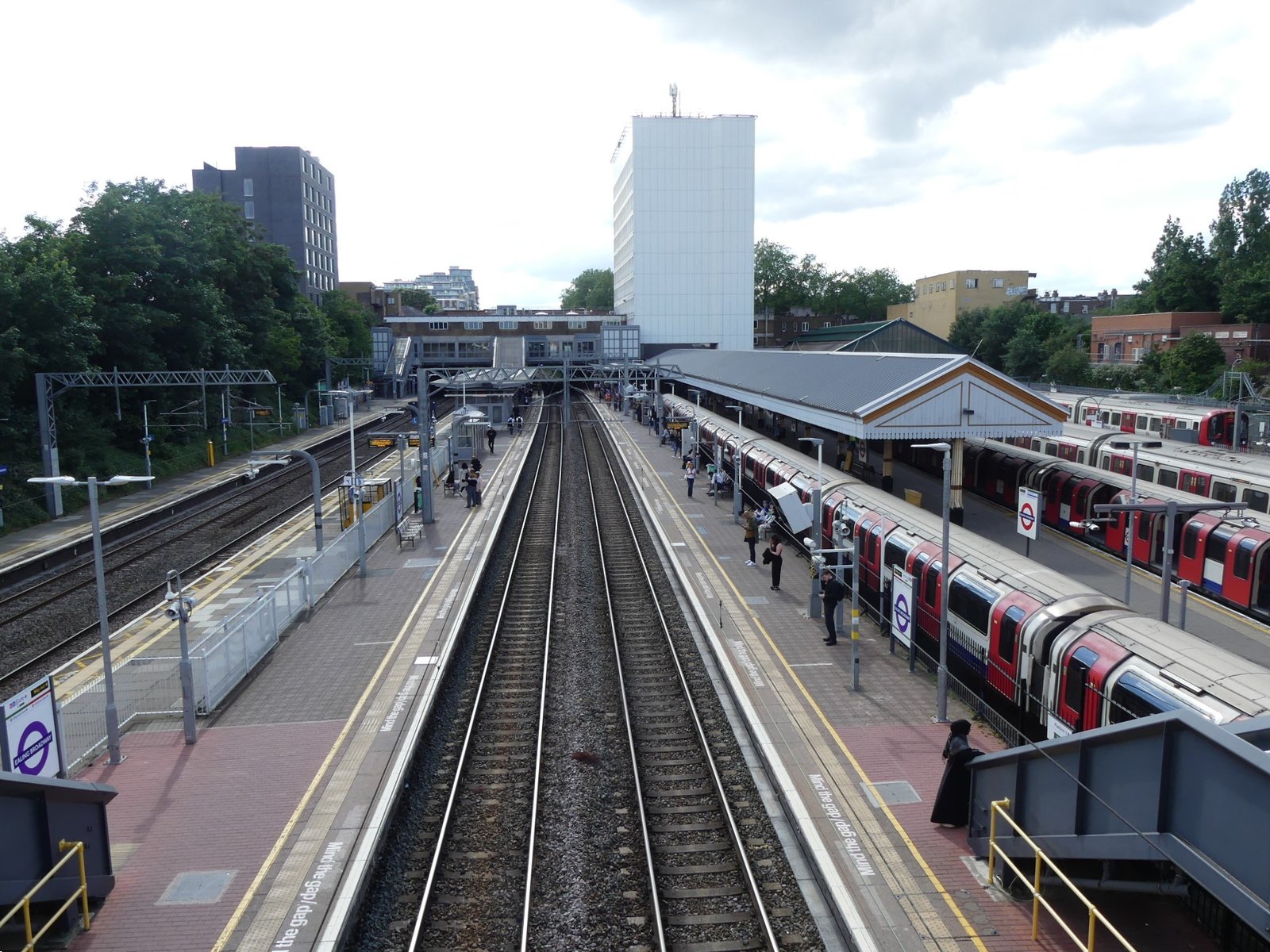
For a few short weeks, one corner of London’s transport network has offered commuters something money can’t usually buy at rush hour: quiet. Transport for London’s trial of a sensory-friendly “calm space” at Ealing Broadway station draws to a close today, Friday 2 October — ending a small experiment that asked a large question about who the Underground is really built for.
The installation, a low-stimulation pod designed by the studio NOOK with sensory-design input from Autistica, the autism research and campaigning charity, has sat beyond the ticket gates at the west London interchange since the trial began in mid-September. According to TfL, the room works as an acoustic shelter that takes the edge off station noise, with nature-inspired design, a calming colour palette, level access, secure fixed seating and clear space for mobility aids, pushchairs and assistance animals. The idea is disarmingly simple: somewhere to pause and reset before carrying on with the journey.
It was created with neurodivergent passengers in mind — people for whom the crush of bodies, the looping announcements, the strip lighting and the sheer sensory pile-up of a busy station can turn a routine trip into an ordeal. But the invitation was deliberately wider than that. Anyone feeling frazzled, anxious or overstimulated could step inside. Autistica helped shape the design through workshops, focus groups and surveys with neurodivergent people, so the room reflects lived experience rather than guesswork — a detail that matters, because sensory needs are not one-size-fits-all.
The trial is part of TfL’s Equity in Motion strategy, the organisation’s plan for breaking down the barriers that stop some Londoners travelling freely. It arrives as inclusive design climbs the agenda across the network, from the new step-free entrance at King’s Cross St Pancras to the step-free entrance at Surrey Quays on the Windrush line — proof that accessibility, once treated as an afterthought, is increasingly part of the blueprint.
Ealing Broadway was a canny choice of venue. The station is one of west London’s great interchanges, where the Elizabeth, Central and District lines meet National Rail services, and its concourses rarely exhale. Placing the calm space beyond the gateline — in the thick of the station rather than somewhere passengers would never find it — meant it was there at exactly the point journeys tend to unravel.
How the trial worked in practice is part of the story. TfL invited everyone who used the room to share their experience, through its customer survey or its contact-centre channels, so the verdict will come from the people the space was built for rather than from a press release. That feedback will feed into how TfL approaches neuroinclusive design across its stations. It is the honest test of the idea: not whether a quiet room photographs well, but whether frazzled commuters actually felt steadier for having used it.
There is already a hint of what comes next. TfL is planning a second calm space trial in the autumn at the London Transport Museum in Covent Garden, running for eight weeks — a deliberately different setting that should reveal whether the concept works as well for museum visitors as it does for commuters mid-journey. A permanent rollout would depend on what passengers say now.
The Ealing Broadway experiment also sits inside a wider, sometimes noisy conversation about who London’s transport network serves — from disabled campaigners’ concerns over Hackney’s floating bus stops to the consultation on the West London Orbital link between Hendon and Hounslow. A quiet room will not fix every barrier, but it treats sensory access as infrastructure rather than indulgence — and that is a shift worth noticing.
Dr Debbie Weekes-Bernard, London’s Deputy Mayor for Communities and Social Justice, said the trial gave passengers somewhere to pause and reset so they could travel with confidence and independence. Mark Evers, TfL’s lead for customer insight, strategy and experience, stressed that everyone should be able to travel with confidence — a line that sounds obvious until you picture the school run, the hospital appointment or the job interview that depends on getting across the capital in one piece.
Today’s closing date need not be the end of the story. If the feedback is as positive as TfL hopes, the calm space concept could find a permanent home — at Ealing Broadway, or anywhere else on the network where the noise never quite stops. For now, the pod’s doors close on a small, thoughtful idea: that sometimes the most inclusive thing a station can offer is a moment of peace.