


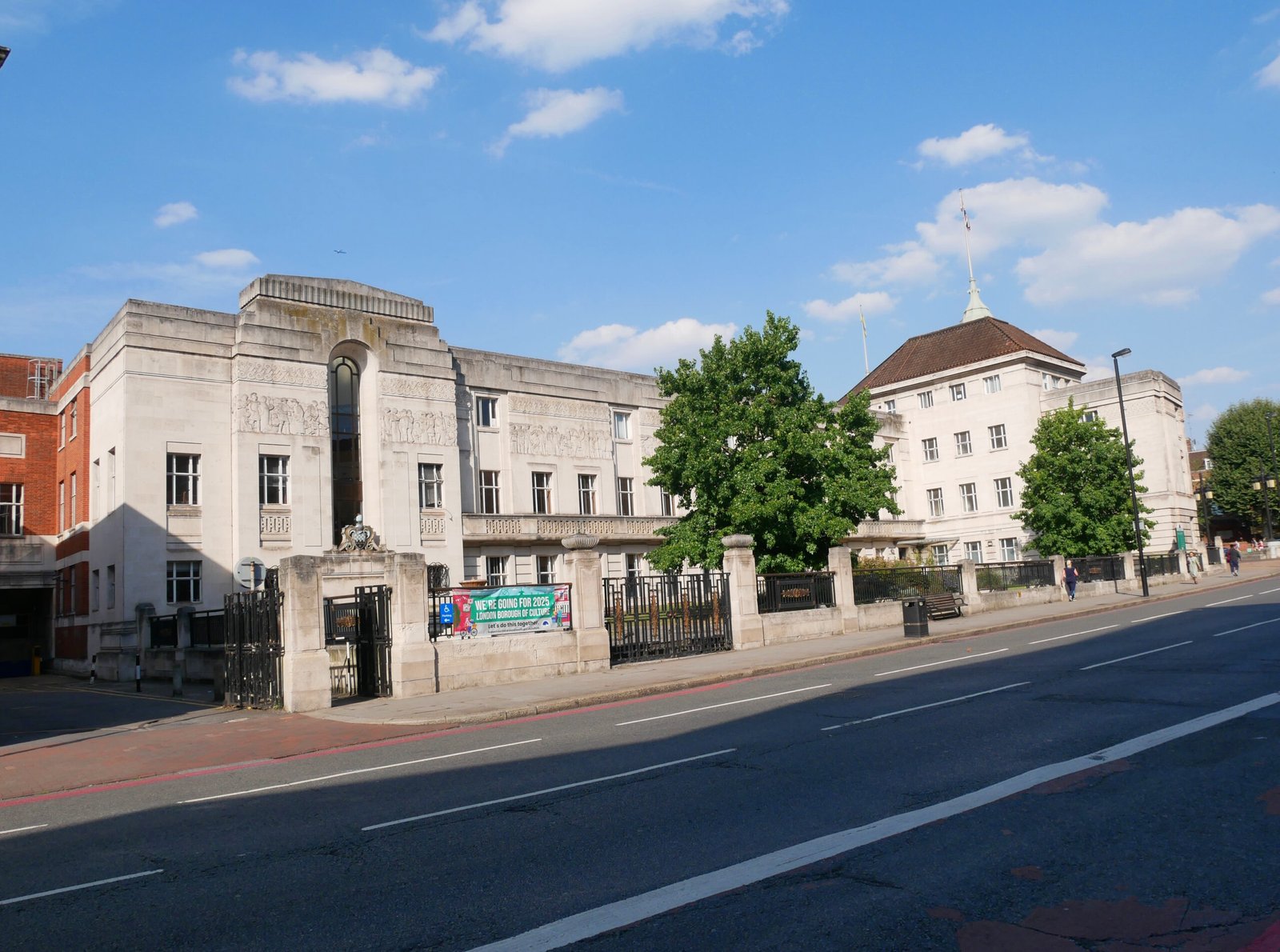
Households in Wandsworth are facing the biggest council tax rise in the borough’s history, with the annual bill for a typical Band D home set to jump from £1,020 to £1,978 from next April.
The 94 per cent increase — an extra £958 a year, or around £80 a month — would all but double what residents pay, ending decades in which the south-west London borough prided itself on having some of the cheapest bills in the country.
The Conservative-led council says the rise is unavoidable. It blames the Government’s Fair Funding reforms, which redistribute central funding between councils, saying the changes will strip more than £80 million a year from its budget by the end of the three-year settlement period.
Ministers describe the shake-up as a long-overdue reset of an out-of-date system, shifting money away from central London boroughs towards other parts of England and nudging historically low bills closer to the national average. Town hall leaders in the capital see it very differently.
The £80 million figure is the council’s own estimate of what the reforms will cost it each year — a shortfall it says cannot be closed by efficiency savings alone without severe cuts to services.
A low-tax flagship turns
Few boroughs illustrate the row better than Wandsworth. Run by the Conservatives continuously from 1978 to 2022, it built its reputation — and fought its election campaigns — on keeping council tax down.
Labour seized control in 2022, only to lose the borough again at May’s local elections, when the Tories returned as a minority administration with 29 councillors to Labour’s 28. It is that administration which is now proposing the record increase.
The politics are tangled. Kemi Badenoch has accused Labour councillors of leaving the town hall with a £137 million budget gap after their four years in charge, while insisting the deeper cause of the rise is the funding cut imposed by ministers.
“I think it is outrageous that Wandsworth Council is having to put up council tax. But they’re not doing it because they want to,” the Conservative leader told BBC Two’s Newsnight. “It is because the government has taken away 40% of their funding. So we have actually instructed lawyers, as the Conservative Party, to see if we can challenge the Government on this decision.”
She added: “Families have budgets. Just because on average it’s lower than somewhere else doesn’t mean that people are going to be able to afford it.”
What it means for bills
For a Band D household, the proposal means finding an extra £958 a year from April 2027 — roughly £80 a month. Homes in higher bands would pay more in cash terms, with the percentage increase applying across the board.
Even after the rise, the borough’s bills would remain lower than in many other parts of London — but averages offer little comfort to households already watching every pound, and an extra £80 a month is the equivalent of a sizeable energy bill landing at once.
The increase is only possible because ministers granted Wandsworth special two-year “funding realignment powers” to lift bills beyond the 5 per cent threshold that would normally trigger a referendum. It is one of only a handful of councils given the freedom.
The proposal must still go through the council’s formal budget-setting process. But with the funding squeeze baked into the Government’s three-year settlement, the rise is widely expected to go ahead in some form.
A row spreading across London
Wandsworth is the starkest example yet of a fight spreading across the capital. Hammersmith & Fulham has warned its own bills could soar under the same Fair Funding reforms, saying the changes could strip funding worth 40 per cent of its £222 million annual budget.
Westminster has chosen to freeze council tax for now — but warned it faces a looming £88 million shortfall as the settlement bites.
The Conservatives say they are examining a legal challenge to the funding decision, while ministers have yet to respond in detail. What is no longer in doubt is the end of an era: the borough that made its name with Britain’s cheapest bills is about to ask its residents to pay almost twice as much.