


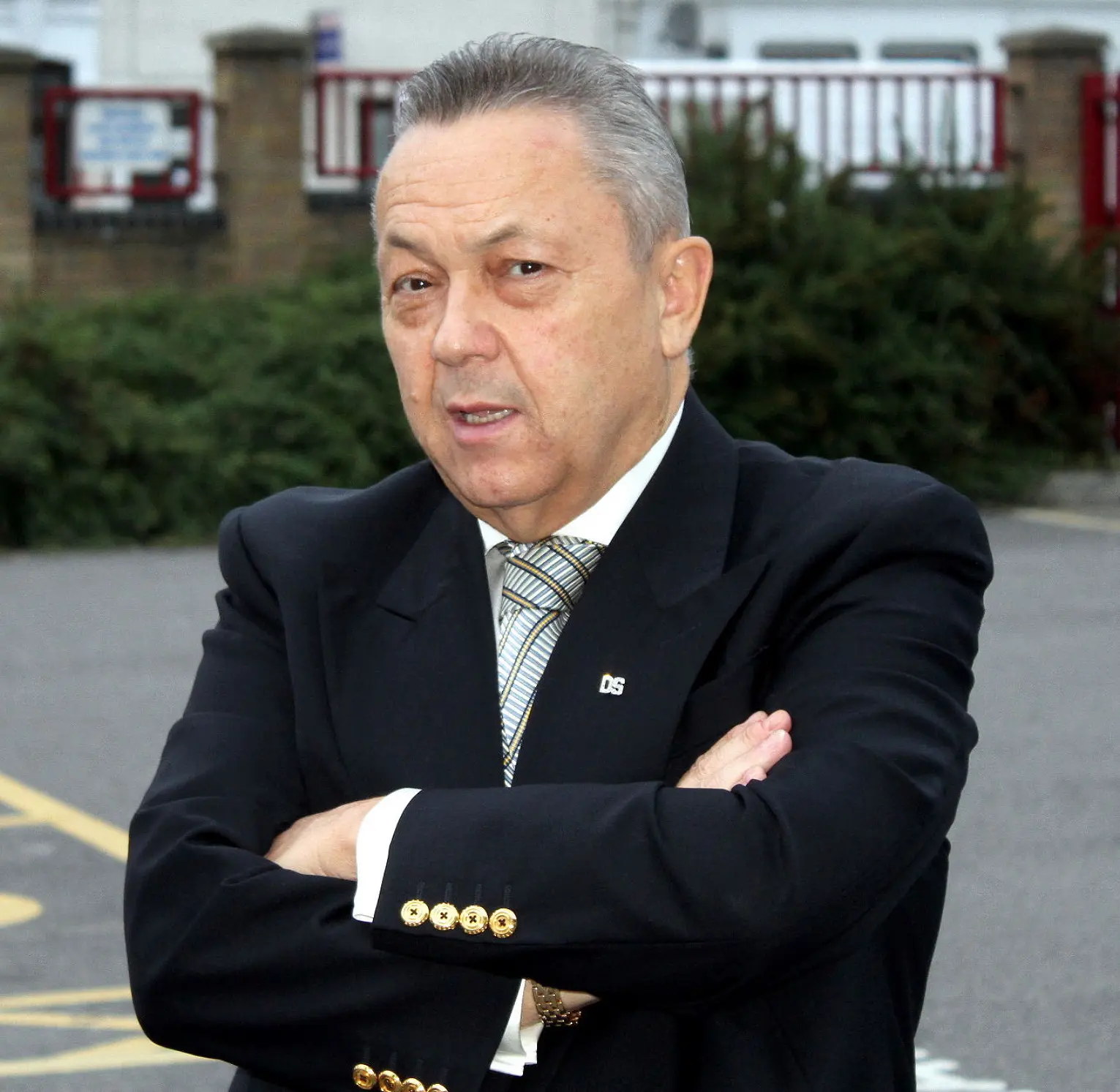
David Sullivan has launched a £150 million defamation claim against the BBC in the High Court over a Panorama documentary that examined historic allegations about his conduct.
The West Ham United co-owner’s case centres on Predator: The Billionaire Football Boss, which was broadcast in June 2026. The programme examined allegations made by seven women about Sullivan’s behaviour during the 1980s and 1990s. He denies the allegations.
In court documents, Sullivan argues the film falsely portrayed him as a sexual predator engaged in criminal behaviour. He further contends that the BBC failed to meet the standards of responsible journalism, ignored evidence that challenged key allegations, and presented disputed claims as fact.
As well as damages, Sullivan is seeking a court order that would require the documentary to be removed from BBC platforms and prevent further publication of the allegations. The BBC has been approached for comment.
The claim follows Sullivan’s decision to stand down as joint-chair of West Ham on 6 June. In a statement at the time, the club said he had resigned after becoming “aware of the impending publication of serious historic allegations”.
The legal action lands during a turbulent spell for the east London club. On the pitch, West Ham fought back from two goals down to draw 2–2 with Millwall at The Den last month, a derby that required a 400-officer policing operation and led to six arrests.
A removal order of the kind Sullivan is seeking would go further than financial compensation. In English defamation proceedings, a judge can grant an injunction ordering a publisher to take material down and restraining it from repeating the allegations. Such orders are far from automatic: courts must balance them against the right to freedom of expression, and they are normally considered at trial rather than at the start of a case.
Claims of this type are heard in the High Court’s specialist media and communications list. To succeed, a claimant must show that the publication caused, or was likely to cause, serious harm to their reputation. Once the BBC files its defence, it is expected to set out the basis on which it stands by the programme. The defences available under English libel law include truth, honest opinion, and publication on a matter of public interest, where the publisher can show it acted responsibly.
The £150 million figure is striking. Awards in English defamation cases are generally a small fraction of such a sum, making a claim of this size exceptionally large by domestic standards. The amount claimed is no guide to what a court might ultimately award: damages are assessed by the judge at trial, and only if the claim succeeds.
The Panorama film at the heart of the dispute aired in June 2026, examining claims from seven women about Sullivan’s conduct in the 1980s and 1990s — claims he has consistently denied. The broadcast came days after his resignation as joint-chair, when West Ham said he had been made aware of the impending publication of serious historic allegations.
BBC investigations have previously pulled the courts into their orbit. A separate BBC investigation led MI5 to admit it had given false evidence to the courts in a case involving an alleged neo-Nazi agent.
For now, the claim is at an early stage. No trial date has been set and the BBC has yet to file its defence. Given the scale of the damages sought and the profile of those involved, the case is set to be closely watched as it moves through the High Court.
Legal experts will be watching how the BBC responds. Defamation claims against broadcasters often turn on the detail of pre-transmission journalism — what was checked, what was challenged, and what was left out. With Sullivan seeking both damages and the removal of the programme, the case could become a significant test of how far the courts will go in restraining the republication of investigative reporting.