


London drivers are being warned about a stubborn motorway myth that could end with a fine, penalty points on a licence — or worse.
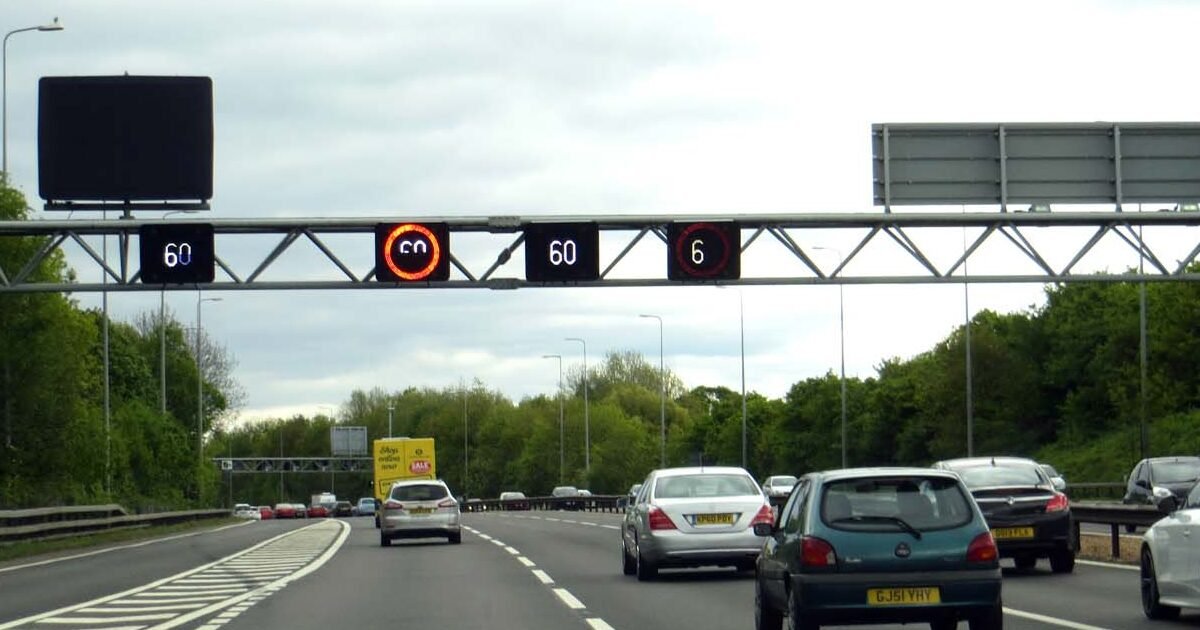
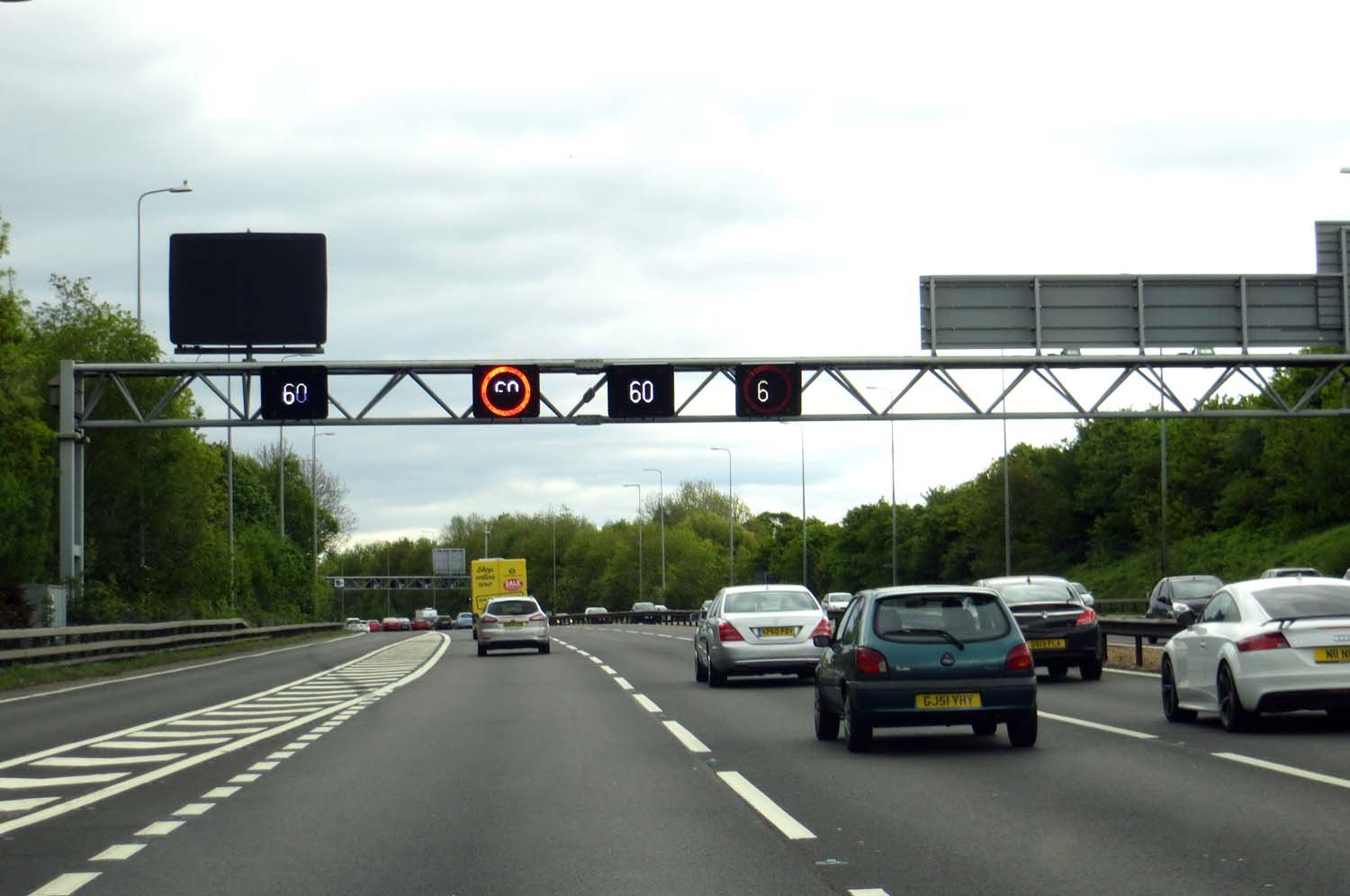
Plenty of motorists still believe the speed cameras mounted on smart motorway gantries only spring into life when the big matrix signs overhead flash up a variable limit. The thinking goes: signs blank, cameras off — and as long as there is no police car in sight, a little extra speed is harmless.
It isn’t. Motoring specialists say the cameras enforce the limit around the clock, and gantry cameras can still catch drivers travelling above 70mph even when no temporary limit is displayed. Online forums are full of accounts from drivers who learned that the hard way, after a ticket landed weeks after a journey they assumed had gone unnoticed.
The confusion is understandable. Smart motorways use overhead signs to drop the limit to 50mph or 60mph when traffic builds, and most drivers dutifully slow down when the amber numbers glow. The mistake is assuming the cameras take a break in between. They don’t: the national speed limit of 70mph for cars applies whenever a lower figure isn’t shown — and the enforcement cameras are watching for it.
Drivers heading out this week can check our round-up of planned M25 closures and diversions before setting off.
The 10 per cent rule isn’t law
There is a second myth tangled up in the first: the widely quoted “10% plus 2mph” buffer. Many drivers treat it as an official allowance — the idea that 35mph in a 30mph zone, or 79mph on a motorway, is perfectly fine.
It isn’t law. The “10% plus 2” figure comes from guidance issued to police forces about enforcement discretion, not from statute — and it can vary between areas and even between the officers reviewing individual cases. In strict legal terms, you can be penalised for exceeding the limit by a single mile per hour. Motoring groups put it bluntly: 31mph in a 30mph limit or 71mph on a motorway is breaking the law, and whether action follows comes down to whoever is dealing with it. The only genuinely safe approach is not to speed at all.
What is actually watching you
Britain’s motorways are covered by several generations of enforcement camera, which helps explain why the “cameras off” idea never held water. On smart motorway sections, the familiar steel gantries carry HADECS 3 cameras — small, discreet units that enforce both the variable limits shown on the signs and the standard 70mph limit when the signs are blank. Unlike the bright yellow fixed cameras of older roads, they are easy to miss, which is partly why the myth survives.
Elsewhere you will find SPECS average-speed cameras — the tall yellow posts that time you between two points, common through long-term roadworks — along with older fixed Gatso and Truvelo cameras and mobile enforcement vans on bridges and verges. On London’s orbital motorway, the gantries are a familiar sight, even if few drivers have ever completed a full lap of it.
What getting caught really costs
The price of ignoring the limit goes well beyond an annoying letter through the door. The standard fixed penalty for speeding is £100 and three penalty points, and some drivers may be offered a speed awareness course instead for lower-level offences.
More serious or contested cases go to court, where fines are set in bands linked to weekly income: Band A starts at around half a week’s income, rising to Band B (a full week’s income) and Band C (150% of weekly income), with motorway offences carrying fines of up to £2,500. Higher speeds also bring more points — enough to trigger a “totting-up” ban of at least six months if you reach 12 points within three years. For new drivers, the rules are harsher still: just six points in the first two years means the licence is revoked entirely.
The practical takeaway
For Londoners, the message is simple: treat every gantry as live, every time. When the matrix signs show 60, 50 or 40, that figure is the legal limit for that stretch. When they are blank, the limit is 70mph for cars — and the cameras are still watching.
With miles of smart motorway on the capital’s doorstep and regular overnight roadworks changing limits at short notice, the drivers who stay out of trouble are the ones who never try to game the system. Assume you are being timed, stick to the signs, and the myth can’t cost you a penny.