


The Heathrow third runway delay has deepened, with the airport telling ministers the long-planned new runway will not open until 2039 at the earliest — four years behind schedule.
Airport chiefs have informed the Government they cannot meet the previous target of getting the new runway operational by 2035. They are now aiming to secure planning permission by 2029 before construction begins.
The admission is a major setback for the £49 billion expansion, which would involve demolishing hundreds of homes and rerouting a section of the M25 to make way for the extra runway north-west of the existing airport.
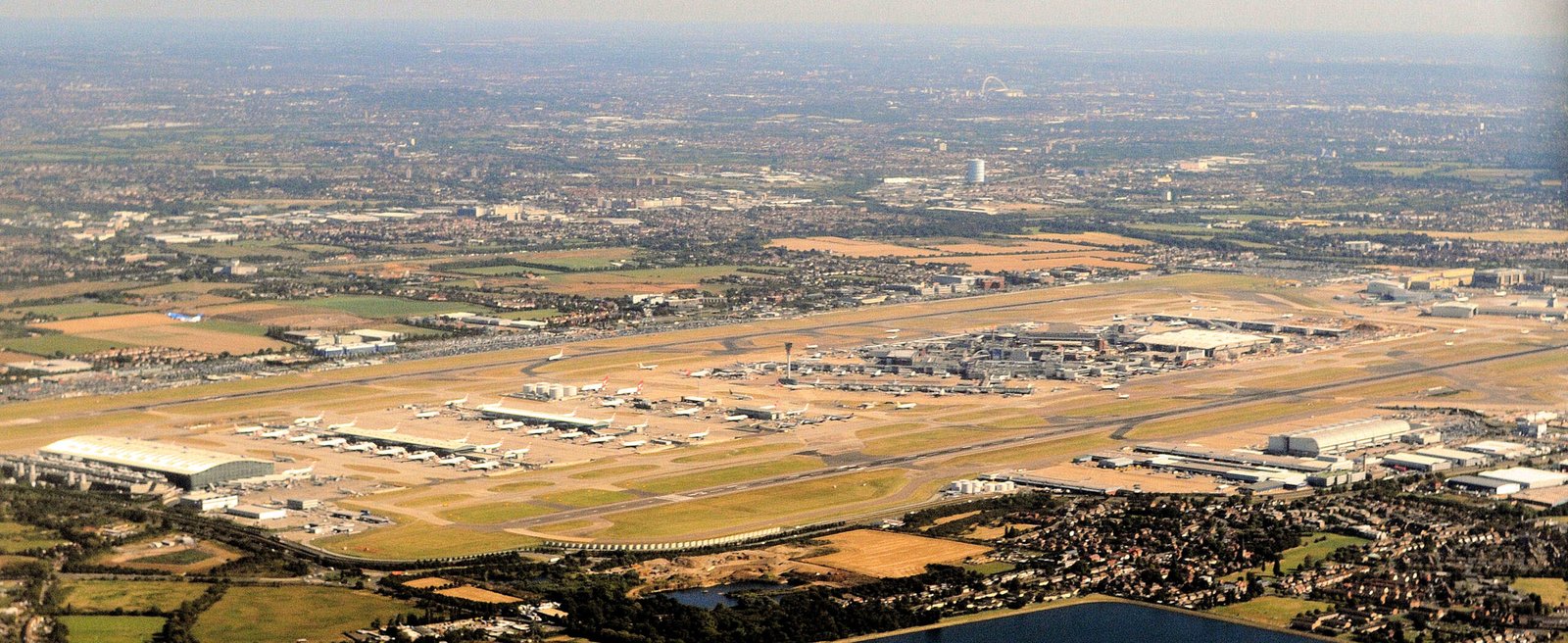
Backers of the project insist it would be worth £1.4 billion a year to the British economy and create 100,000 jobs, arguing the benefits would be felt well beyond the capital.
The delay has triggered a furious political row. Reform UK Treasury spokesman Robert Jenrick said: “This is a huge blow to the British economy.”
“A third runway would bring thousands of well-paid jobs — we cannot afford any more delays,” he added, urging Andy Burnham to pass emergency legislation to force the scheme through and warning that “a Reform government will” act if he fails to do so.
Mr Burnham has himself been dragged into the controversy after reportedly telling MPs in private that he has always opposed Heathrow expansion. One Labour MP said: “He said he’s never been in favour of Heathrow expansion, but…”
The Mayor of London, Sadiq Khan, remains among the project’s most prominent opponents, while residents living under the flight path have vowed to continue fighting the plans.
A Department for Transport spokesman said: “There is no live planning application for a third runway. The timeline has always been ambitious.”
A Heathrow spokesman said it was right that ambitious targets had been set, adding: “Our focus has always been to secure planning permission by 2029. Once achieved, the runway will be open within a decade — and the benefits of expansion can be felt from today.”
A third runway at Heathrow was first proposed as far back as 1946 and was given the green light by Gordon Brown’s government in 2009, but it has been bogged down in legal challenges and political disputes ever since.
The airport is already one of the best-connected in the country, with the Piccadilly line and the Elizabeth line linking its terminals with central London, while Transport for London oversees much of the capital’s wider public transport network.