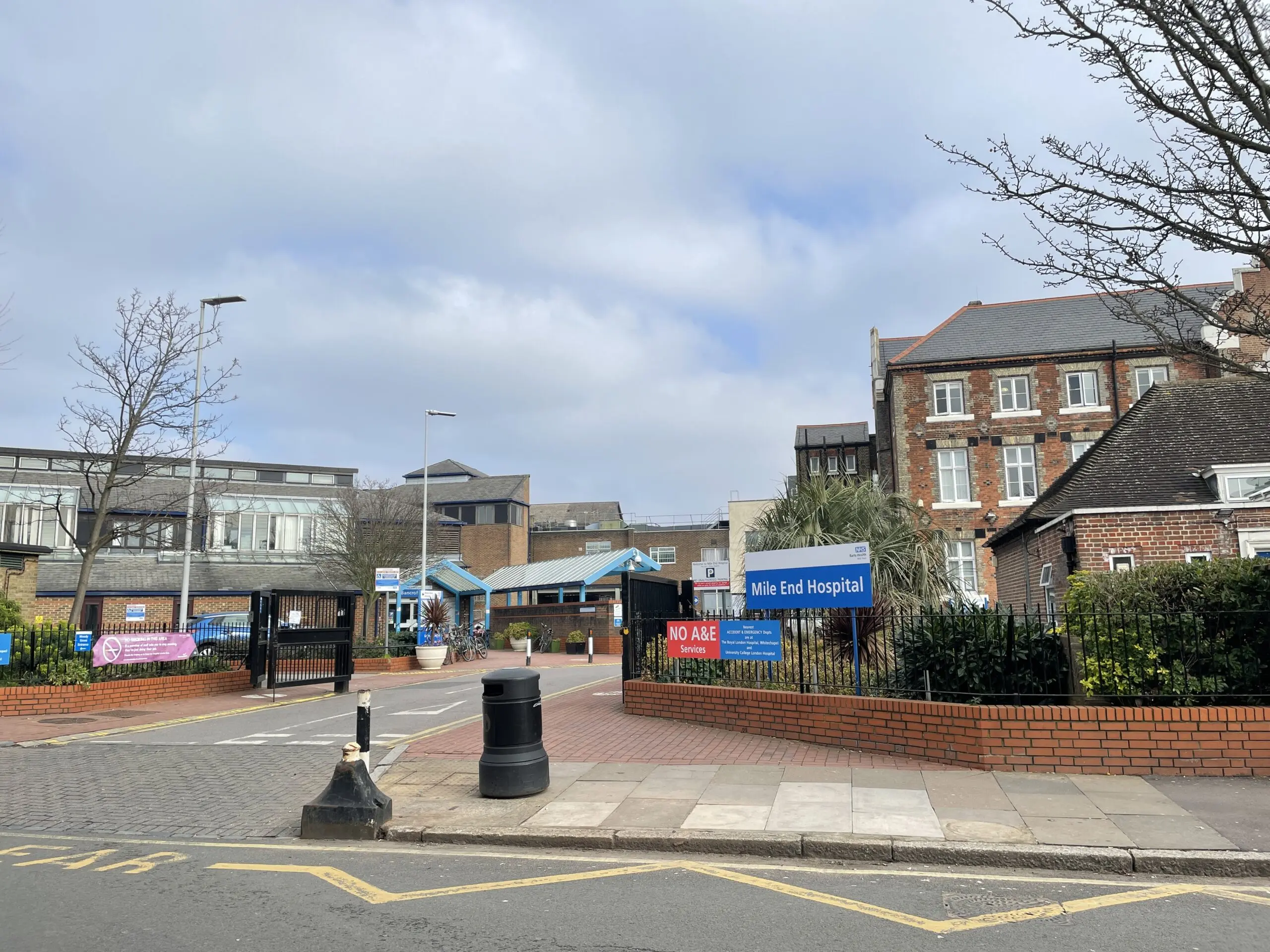
Proposed savings at the East London NHS Foundation Trust (ELFT) have prompted concern about mental health care in east London. It has been reported that the trust is expected to make cuts and changes to services, while demand for support is described as higher than ever. London Assembly Member Unmesh Desai has taken the issue to City Hall, asking the Mayor how he will work with NHS partners and what can be done to protect frontline care. This report sets out what is on record, what has not been published, and what happens next.
The proposal in detail
At this stage, the published detail is limited. The concerns relate to ELFT’s mental health services overall, not to a published list of named services with dates. It has been reported that changes could affect support for children and young people, and for people who use addiction services; those are the areas highlighted when the concerns were raised. No trust document listing specific services, savings figures or implementation dates accompanied the Assembly record, and none is given in the Mayor’s answer. The sources are published by ELFT and by the London Assembly.
What has been said
Mr Desai’s formal question (reference 2026/2912), for Mayor’s Question Time on 17 September 2026, asked how the Mayor will work with NHS partners to ensure proposed savings across ELFT’s mental health services do not have a detrimental impact on Londoners affected by them, or put pressure on other services in London. When he raised the issue, he argued that, while the NHS is under financial pressure, savings should not come at the expense of patient care, and that staff, already under huge pressure, should help shape any plans through their experience. He also pointed to separate investment in crisis care away from busy emergency departments.
The Mayor answered the question on 22 September 2026. He said every Londoner should be able to get mental health support and know where to turn for help, and recognised how much ELFT services matter to communities across east London. Noting that decisions on NHS services are for the NHS, he said he meets regularly with NHS London and health leaders across the capital, supports a joined-up approach so change in one service does not unintentionally add pressure elsewhere, and pointed to partnership work through the London Health Improvement Board and Thrive LDN, including suicide prevention training completed by more than 475,000 Londoners. He said he would continue to support NHS partners, with a focus on people who need support most.
What it could mean for patients
Without a published list of changes, it is not possible to say which appointments, teams or places of care would be affected, and no specific closure or reduction is assumed here. In general terms, services for children and young people can include assessment, therapy and ongoing support arranged around a young person and their family, while addiction services can include advice, treatment and recovery support for people concerned about alcohol or drug use. If how such services are organised is reviewed, patients need clear information on who to contact, whether referral or waiting arrangements change, and where to get help in a crisis — answers that require specific published proposals.
What happens next
No consultation timetable or final decision date for the ELFT savings proposals has been published in the Assembly record. Until the trust or its NHS partners publish specific proposals, there is no closing date for comments or decision date to report, because none has been published. London Streets will update this report if a detailed proposal, consultation or decision is published, linking to the official document.
If you need support now, you can contact NHS 111 for urgent health advice, or call Samaritans free, at any time, on 116 123.