


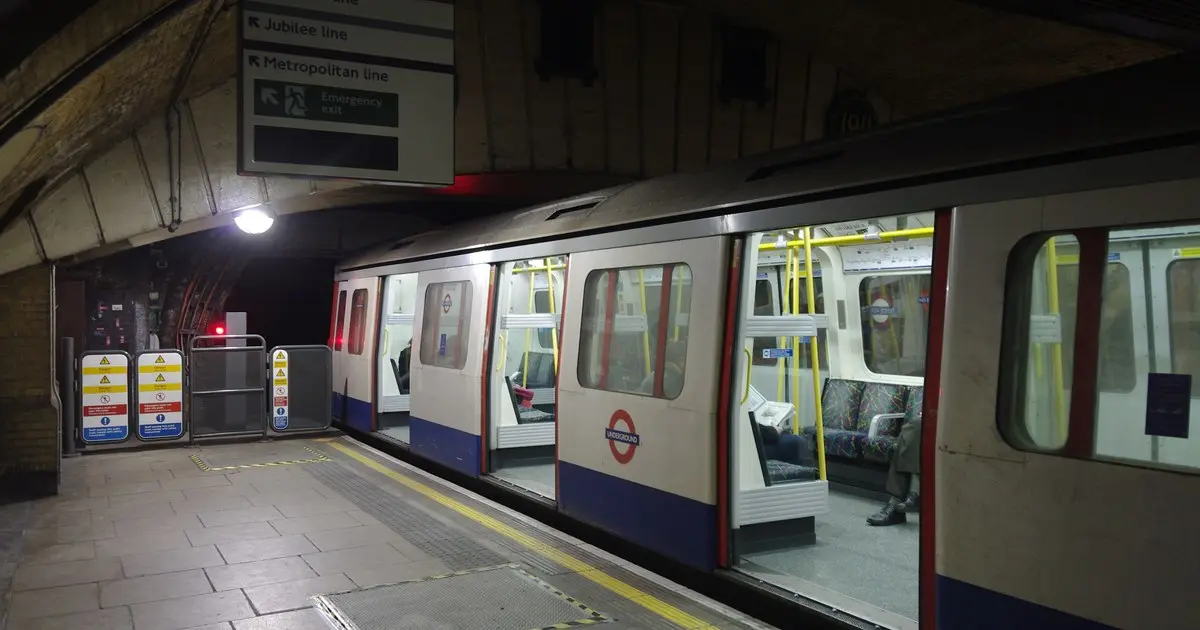
London Underground drivers are striking on seven more dates between now and the end of February, after the first walkout of the winter went ahead on 26 November. Each strike lasts 24 hours, from noon to noon the following day, so both the afternoon of the strike day and the morning after are affected.
Here are all the remaining dates, announced by the RMT union on 6 November:
Thursday 17 December 2026, noon to noon on Friday 18 December
Saturday 19 December 2026, noon to noon on Sunday 20 December
Monday 4 January 2027, noon to noon on Tuesday 5 January
Wednesday 6 January 2027, noon to noon on Thursday 7 January
Wednesday 17 February 2027, noon to noon on Thursday 18 February
Tuesday 23 February 2027, noon to noon on Wednesday 24 February
Thursday 25 February 2027, noon to noon on Friday 26 February
The first strike, from noon on Thursday 26 November to noon on Friday 27 November, went ahead with less disruption than many had feared. Our live coverage of that day followed the Piccadilly line suspension and the rest of the network through the walkout.
Only the Tube itself is affected. The DLR, London Overground, Elizabeth line, buses and trams are not part of this dispute and keep running, although they are busier than usual on strike days, particularly the Elizabeth line through central London and the Overground routes that shadow Tube lines. National Rail services into London also run, but trains arriving at the capital’s mainline stations can be very crowded.
The dispute is between the RMT and Transport for London over London Underground’s plans for a voluntary four-day working week for drivers, alongside a new Trains Modernisation Framework. The RMT says the plans would undermine existing agreements and worsen working conditions. Talks at Acas ended without a deal before the first strike, and the union confirmed on 24 November that the action would go ahead.
Dates can still change if talks resume, and the exact level of service on each line is usually confirmed only a few days beforehand. TfL publishes the planned service for each strike day on its strikes page, and its status page carries the picture line by line. Our London travel live page pulls the live Tube status straight from TfL and refreshes every two minutes.
On a strike day, the practical advice is simple. Travel before noon or after the strike ends at noon the next day if you can. If you must travel during the walkout, allow far more time than usual, and check the TfL Go app before you set out — the picture can change during the day as more drivers report for duty or services are restored. Buses are the main fallback, but they are slow and crowded; walking or cycling part of the journey, including Santander Cycles, is often quicker for short central London trips.
Two of the remaining dates deserve particular attention. Thursday 17 December and Saturday 19 December fall in the busiest shopping week of the year, and Saturday 19 December is the last Saturday before Christmas, when the West End and markets are at their most crowded. Anyone travelling to Heathrow, Gatwick or a Eurostar departure on a strike day should leave much earlier than usual — the Piccadilly line is the usual route to Heathrow, and the Elizabeth line is the fallback.
The January dates land in the first working week of the new year, when many people are returning to offices, and the three February dates run into half-term week. If you have a flight, a hospital appointment or anything else that cannot move, plan around the noon-to-noon window rather than the calendar day.
London has been here before, and the pattern of these strikes is now familiar: severe disruption on the Tube itself, a busy but functioning rest of the network, and a normal service returning by the afternoon after each strike ends. The dates above are the ones to put in the diary — and to check again before you travel.