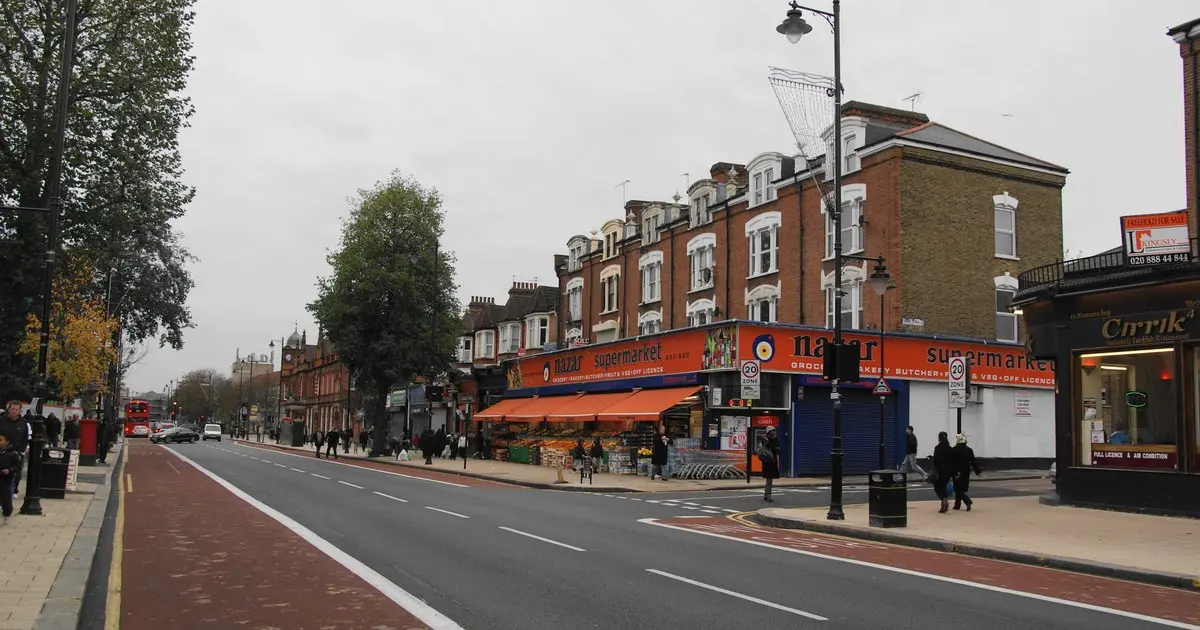
Tottenham Hotspur has rescued a derelict Georgian gem and given it a new lease of life as a cafe and creative hub.
Holly House is an early 18th-century building in Tottenham High Road that until recently languished on Historic England’s register of historic buildings at risk of crumbling away.
Now it has been transformed into subsidised artist studios, galleries, and the House of Bandits Cafe following a major restoration led by Spurs and backed by The National Lottery Heritage Fund.
It is run by the Sarabande Foundation, established by the late fashion designer Lee Alexander McQueen.
Matthew Collecott, chief operations and finance director at Tottenham Hotspur, said: “We are delighted that Holly House has been removed from Historic England’s Heritage at Risk Register, marking an important milestone in the restoration of these buildings which have stood as part of Tottenham High Road for more than 300 years.”
“The club has a long-standing commitment to Tottenham and its future.”
“Alongside the development of our stadium, we have invested in restoring historic buildings on the High Road, preserving an important part of the area’s heritage and finding new ways for these spaces to serve the local community.”
“Today the buildings provide a home for Sarabande Foundation, providing subsidised studio space and opportunities for emerging artists and designers.”
“We are proud to play a part in preserving Tottenham’s heritage while creating new opportunities, supporting local businesses, and contributing to the future of the High Road.”
Holly House and Prudhoe House were built between 1715 and 1725 for Tottenham MP and wealthy merchant Sir Hugh Smithson.
It had long been at risk of collapse and although the Haringey Building Preservation Trust, with support from Historic England, had made the structure safe, it was Tottenham Hotspur’s purchase and investment that secured its full restoration.
Historic features including panelling, fireplaces and fragments of 18th-century wallpaper have been retained in a deliberate state of ‘arrested decay’ by F3 Architects.
Holly House is one of 24 sites across London recently removed from Historic England’s Heritage at Risk Register which was updated on November 5.
Claudia Kenyatta CBE and Emma Squire CBE, co-chief executives of Historic England, said: “Our historic buildings and places help tell the story of where we live and contribute to the character and identity of local communities.”
“Each year, the Heritage at Risk Register showcases the positive impact that restoring and reusing these special places can have.”
“The most effective way to protect our buildings is to bring them back into use as places that create connection and enjoyment for local people.”
“The sites saved and removed from the Register this year show what can be achieved when partners and communities work together to deliver positive, lasting change.”
“By working together, we can protect our heritage for generations to come.”
Sixteen sites have been added to the register, including King Edward Hall and a house on the old Manor Farm site in Finchley, and timber framed White Lodge in Enfield.
It is the latest London building to come off the register, after Kirkaldy’s Testing Works in Southwark was added to the 2026 Heritage at Risk Register.