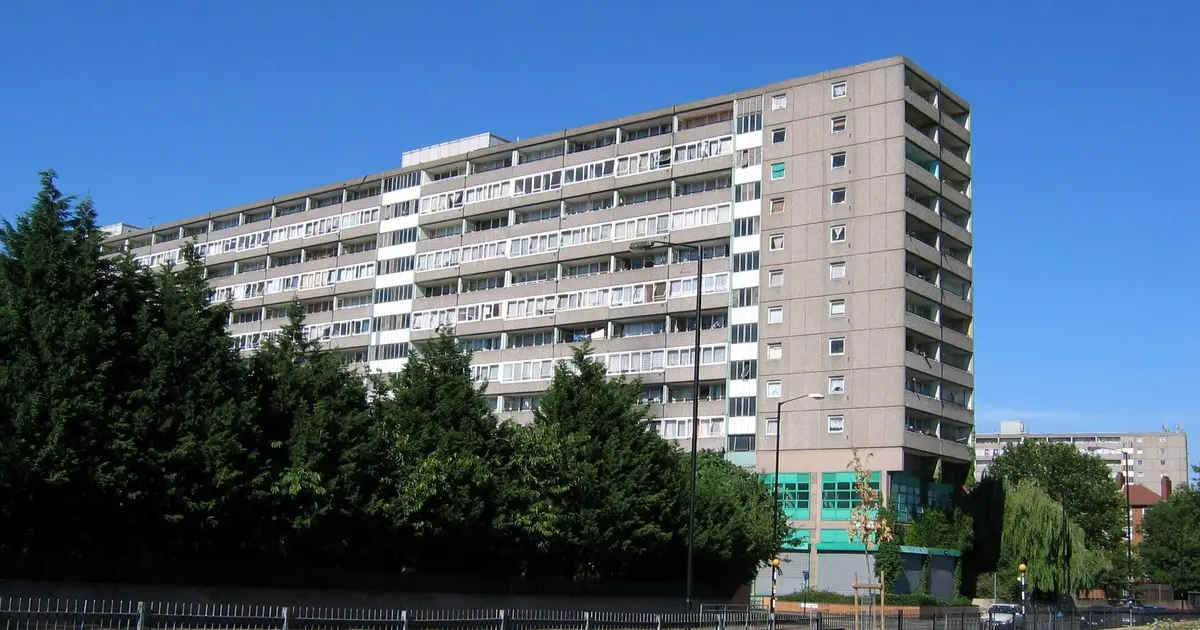
Southwark Council is facing a fresh court challenge over its housing allocations policy, after campaigners started judicial review proceedings against the borough over the rules that decide who gets a council home.
The Public Interest Law Centre (PILC), a legal charity, has started the proceedings on behalf of Housing Action Southwark and Lambeth (HASL). The campaign group argues that the council’s allocations policy risks worsening overcrowding, and says the rules were forced through despite strong community opposition and a flawed consultation process.
HASL has also claimed that the new rules will lead to families experiencing homelessness being overlooked, and will make the system harder for households to understand. The council is aware that a judicial review claim has been brought in relation to the scheme.
What the new scheme does
The challenge targets the new five-band allocation system approved by Southwark’s Executive in September. The scheme moves applicants into five priority bands, from A to E, with Band E as the lowest-priority group. It ends extra priority previously linked to employment, volunteering or the Good Tenant Award, introduces annual reviews of households’ circumstances, and limits applicants to two offers of accommodation.
The council has said it will write to everybody on the waiting list to explain how the rules may affect their priority. The scheme is due to take effect later this year, with a review planned after 12 months.
For the campaigners, the stakes could hardly be higher. A solicitor at the PILC has noted that thousands of people on Southwark’s housing register spend years waiting to be allocated permanent housing, while an organiser at HASL has described the waiting list rules as life-changing — capable of determining whether residents get a permanent social home in one to two years, or in a decade.
Scale of the waiting list
Southwark is facing a housing crisis, with more than 22,000 households currently on the housing waiting list, including more than 4,200 households living in temporary accommodation. Against that backdrop, any change to how homes are allocated is felt acutely — and any flaw in the process, campaigners argue, has consequences for thousands of families.
The new challenge follows an earlier court defeat for campaigners. Earlier this year, a High Court judge ruled in favour of the council in a claim over its direct-offer waiting list. Local resident Carmen Castro Guallichico had launched a judicial review of the policy, arguing that the direct-offer waiting list did not appear to follow any logical or discernible order. Deputy High Court Judge Jonathan Richards dismissed the claim, finding that the allocation system was functioning as stated in policy and that there had been no breach of procedure. Ms Castro Guallichico is understood to be planning an appeal to the Court of Appeal.
Southwark primarily operates a choice-based letting system, under which applicants bid for advertised properties, but it also reserves the right to make direct offers to people in urgent housing need. It is that combination — bidding for most homes, direct offers for the most urgent cases — that has been at the centre of the borough’s housing disputes.
The latest proceedings are at an early stage: a claim has been brought, but no court has yet ruled on it. What happens next will depend on whether the claim is granted permission to proceed to a full hearing — and, if it is, on whether a judge finds the consultation or the policy itself unlawful. Until then, the scheme remains in place, and the borough’s 22,000-household waiting list keeps growing. Other recent council housing decisions across London, including Tower Hamlets’ approval of 180 family homes at Canary Wharf, show how sharply housing need is pressing on boroughs across the capital.