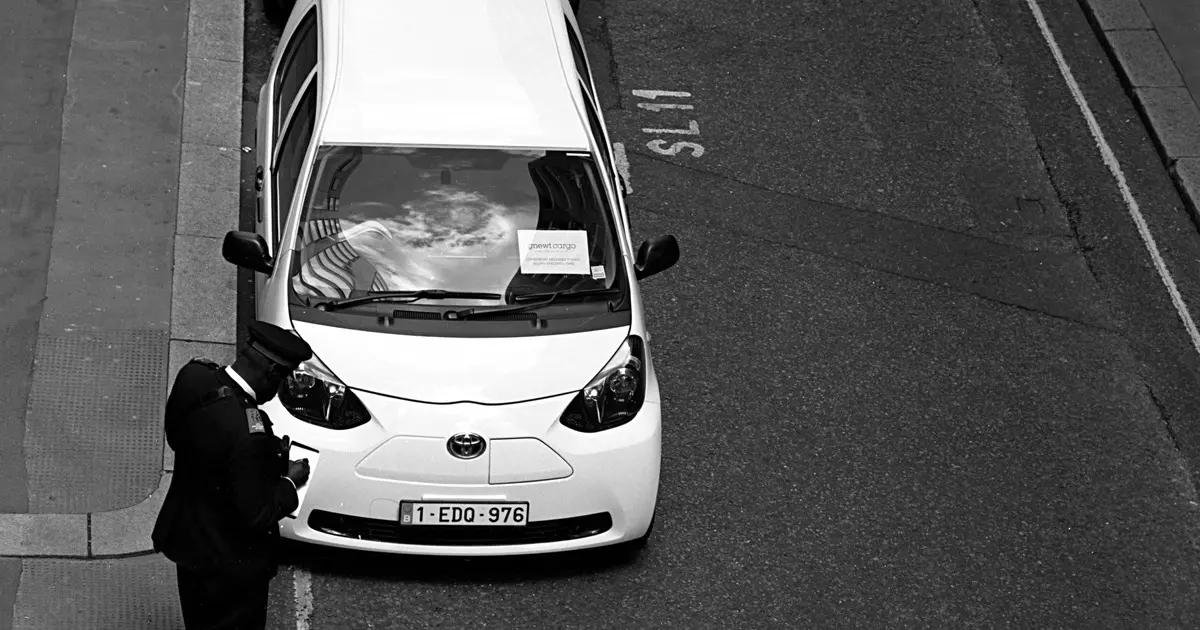
London’s drivers were handed more than 10 million parking tickets in a single year, new figures show, as enforcement across the capital climbed again.
London boroughs, the London Lorry Control Scheme and Transport for London issued a total of 10,195,456 Penalty Charge Notices (PCNs) in 2025/26 — a rise of 7% on the previous year — according to annual enforcement statistics published by London Councils.
The tickets went to motorists caught breaking parking, bus lane and moving-traffic rules. The year-on-year increase means well over a million more notices were issued than a decade ago, as councils and TfL lean harder on enforcement to manage demand on London’s road network.
Most tickets never challenged
Despite the eye-watering total, only a tiny fraction of drivers fight back. The number of PCN appeals received by London Tribunals rose 16.9% — from 47,935 in 2024/25 to 56,079 in 2025/26 — but that still represents just 0.55% of all PCNs issued.
And those who do appeal are increasingly winning. The share of appeals heard by an independent adjudicator and won by the appellant rose from 45.3% in 2024/25 to 48.9% in 2025/26 — nearly half of all contested cases now go the driver’s way.
Cllr Paul Osborn, London Councils’ executive member for transport and environment, said: “Effective traffic and parking management is essential to keeping London moving, with the capital’s boroughs and TfL working to manage demand on the road network and ensure streets work for the communities that use them.”
“Our traffic and road authorities work to ensure a fair system for all road users, whether they drive, walk, cycle or take the bus,” he added.
What is a PCN — and what does it cost?
A Penalty Charge Notice is a fine issued by a council or TfL for parking contraventions and certain moving-traffic offences, such as stopping in a yellow box or driving in a bus lane. They are distinct from the tickets issued by private parking companies on private land, which are handled under an entirely different regime.
In London, higher-level contraventions — such as parking on a red route or in a disabled bay — carry a £130 penalty, while lower-level offences are set at £70. Both are discounted by 50% if paid within 14 days. Enforcement has been ramping up across the network all year, from wider transport revenue pressure to the continued targeting of repeat offenders on London’s most-fined roads.
How to challenge a ticket
If you believe a PCN has been issued unfairly, you have the right to challenge it. The process runs in stages:
1. Challenge the authority that issued it. Contact the council or TfL first and set out your grounds — signage faults, faulty machines, unclear markings or a medical emergency can all be legitimate grounds.
2. Take it to an adjudicator. If the authority rejects your challenge, you can escalate to an independent adjudicator through London Tribunals, which reviews the case afresh to ensure a fair and impartial decision.
“If a motorist believes a Penalty Charge Notice (PCN) has been issued unfairly, they have the right to challenge it with the authority responsible,” said Osborn. “Where a challenge is rejected, they can take their case to an independent adjudicator through London Tribunals.”
With the win rate now at 48.9%, the statistics suggest drivers who genuinely believe a ticket was wrongly issued are more likely than ever to see it cancelled.
Where the money goes
All PCN income pays for traffic and parking services in the first instance. Any surplus is ringfenced by law for other transport projects and services — including the Freedom Pass for older and disabled Londoners, which gives free travel on buses, the Tube and Overground.
“Effective traffic and parking management is essential to keeping London moving,” Osborn said. “All PCN income pays for traffic and parking services, and any surplus is ringfenced for other transport projects and services, including the Freedom Pass for older and disabled Londoners.”
Private parking crackdown
Separately, the government has announced new rights for drivers facing unfair private parking charges under a new Private Parking Code of Practice. The code guarantees drivers five minutes to decide whether to park, ten minutes to leave once a session ends, and caps charges at a maximum of £100 — although council-issued PCNs are not affected by the cap.
The contrast matters: while private operators face a clampdown, council enforcement shows no sign of slowing. With more than 10 million tickets in a year — and appeals still running at a fraction of a percent of that total — London’s parking enforcement machine remains firmly in top gear.