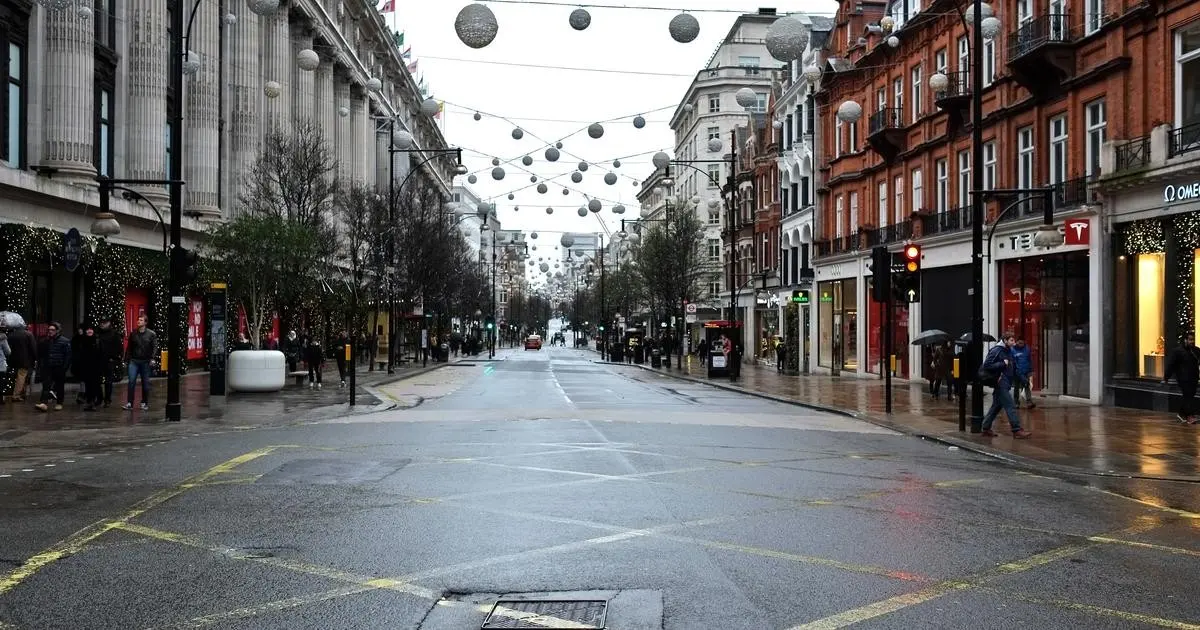
Oxford Street is entering its final week of preparatory works before almost a kilometre of the famous shopping street becomes traffic-free — one of the most significant changes to central London’s road network in decades.
From the morning of Monday 26 October, the section between Orchard Street and Great Portland Street — running through the core retail area around Oxford Circus — will be closed to motor vehicles, taxis, private hire vehicles, cycles, scooters and pedicabs.
Final roadworks begin
Transport for London’s programme becomes more intensive from the evening of 19 October, when access from James Street to Oxford Street and from Oxford Street into Gilbert Street is due to close permanently. Gilbert Street will become two-way between Oxford Street and Brook Street.
Further temporary closures, turning restrictions and signed diversions will remain in place as the surrounding road network is prepared for the new arrangement. Much of the work is being carried out overnight to limit disruption.
Bus changes
Bus changes begin from 01:00 on 24 October, with routes 7, N7, 94, N113 and N137 terminating at Marble Arch. Changes to stops and routing for a wider group of services will also take effect.
From 20:00 on 25 October, traffic will be diverted away from Oxford Street between Portman Street and Winsley Street, before the permanent traffic-free section takes effect the following morning.
What the traffic ban means
Once the restrictions are in place, only emergency vehicles will retain full access at all times. Delivery and servicing vehicles will be permitted between midnight and 07:00 — a significant change for the shops, restaurants and businesses along the corridor.
Contractors, fit-out teams, waste operators and suppliers working on buildings along Oxford Street will increasingly have to plan deliveries around the overnight servicing window and altered side-street access, rather than relying on conventional daytime vehicle access.
A £144m programme
The 26 October change is just the beginning. The pedestrianisation sits within a much longer capital programme extending to 2030–31, with a total investment of £144 million planned for the permanent public-realm transformation.
The full scheme will see Oxford Street comprehensively redesigned as a world-class pedestrian destination, with new paving, planting, seating and public spaces — rivalling the great shopping streets of Paris, Barcelona and New York.
The pedestrianisation of Oxford Street has been debated for decades. Previous attempts stalled amid opposition from taxi drivers, bus operators and some retailers who feared losing passing trade. The current scheme, backed by the Mayor of London, represents the most decisive move yet.
Supporters argue that removing traffic will revitalise the street, which has faced challenges from online shopping and changing retail habits. Critics worry about displaced traffic clogging surrounding streets and the impact on disabled shoppers who rely on taxis and buses.
What shoppers need to know
For the millions who shop on Oxford Street each year, the change promises a more pleasant experience — no traffic noise, cleaner air, and more space to walk. But the transition period will bring disruption, with road closures and bus changes affecting how people reach the West End.
Shoppers are advised to check TfL’s travel information before heading to Oxford Street in the coming weeks, particularly around the 24–26 October changeover weekend.
The eyes of the retail world will be on Oxford Street next Monday. If the traffic-free experiment succeeds, it could become the template for pedestrianising other major London shopping streets — and a defining legacy of the current mayoralty.
More on London’s changing streets: south east London bus route changes and Ealing’s e-bike seizure powers.