


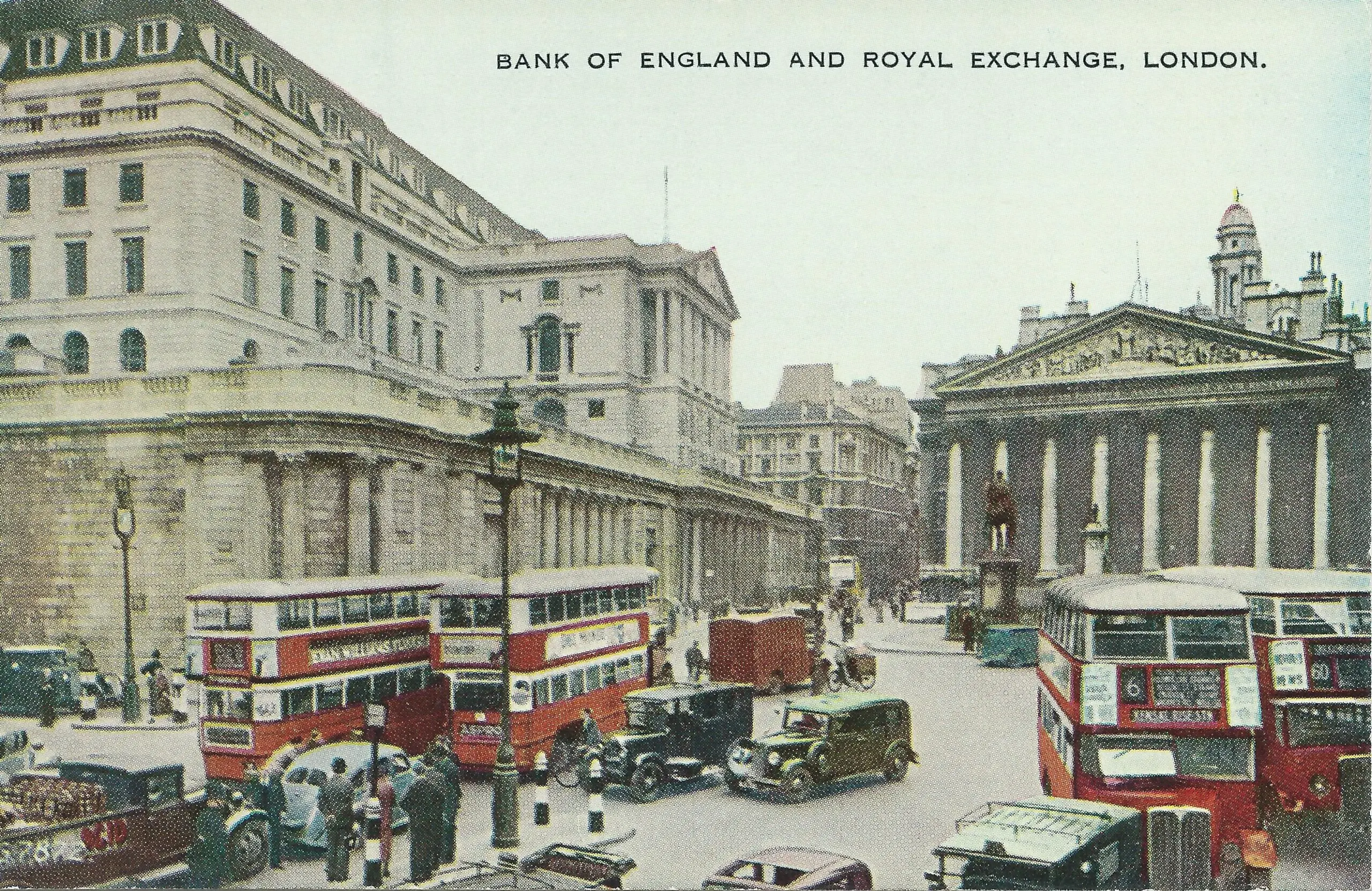
A lost London has resurfaced. More than 600 previously unseen black-and-white photographs taken across the capital during the 1930s will be published together for the first time next month, offering a street-level view of a city on the brink of war — its markets, riverbanks, stations and suburbs caught exactly as they were.
The images form the heart of Britain in the 1930s, a 616-page volume from publisher Atlantic out on 5 November and curated by historian Steven Brindle. The photographs are drawn from the Associated Newspapers archive, built up over decades by in-house teams of journalists and photographers who documented the everyday rhythms of the decade, and each comes with detailed commentary setting the scene.
Rather than the grand set-pieces of the era, the collection lingers on the ordinary and the odd: sunbathers, ice-cream queues, market day cattle and commuters hurrying across rain-slicked roads. Together they build a portrait of London between the wars — familiar in outline, startling in detail.
What the book shows
Among the highlights are crowds sunning themselves on the shingle of Tower Beach in August 1935 — the Tower of London’s stretch of Thames foreshore that drew thousands of Londoners in search of a seaside day out without leaving the city.
Winter is captured in equally vivid frames: the fountains of Trafalgar Square frozen solid, their basins resembling ice rinks, while pedestrians pick their way around them. Modern-day crowds still gather there for altogether different spectacles — the square recently hosted a giant free NFL fan festival.
At Waterloo Station, a group of boys crowds around one of the new automatic ice-cream machines, while elsewhere the streets outside the Old Bailey bustle in the wake of the Lord Mayor’s parade. On Oxford Street, a fashionable couple strides past the shopfronts of what was already the capital’s great retail thoroughfare.
The book’s reach stretches well beyond the West End. There are cattle crowding Romford Market, the watercress harvest in Watford, and horse-drawn gypsy caravans sharing the road with motor cars in Epsom — a snapshot of two eras of transport passing each other by. Boater-wearing Harrow School boys queue in the tuck shop in 1933; the regatta fills the reach at Henley-on-Thames; divers plunge into the waters of Rickmansworth Aquadrome; and the Enfield hunt gathers at Northaw Village in Barnet. In Vauxhall, pedestrians are caught mid-step crossing Camberwell Road — a fraction of a second of ordinary London life, preserved for ninety years.
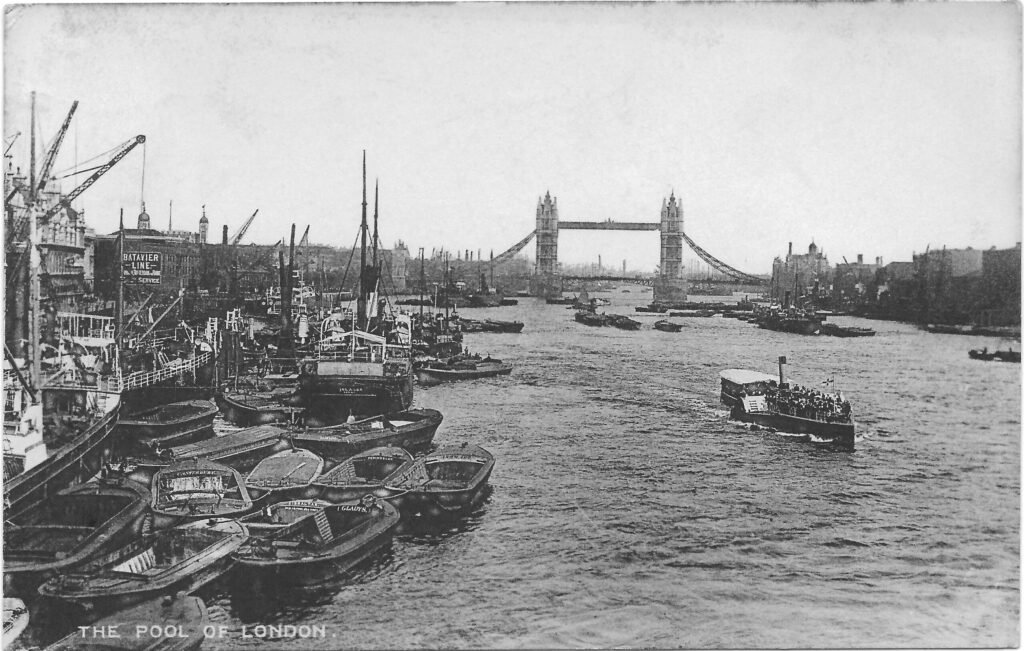
The Thames runs through the collection like a thread, from working riverbanks to pleasure boating, a reminder of how completely the river shaped the capital’s working and leisure hours alike.
London between the wars
The photographs land in a decade of sharp contrasts. The Great Depression brought real hardship to parts of the capital, even as new suburbs pushed outwards along the railways and the Underground, transforming villages into Metroland almost overnight.
On the streets, Victorian and Edwardian streetscapes stood alongside the crisp geometry of Art Deco — new cinemas, department stores and Underground stations rising in brick, glass and faience. Motor traffic multiplied, buses and cars jostling with the last of the horse-drawn trade, while the Underground network spread further into the suburbs and reshaped how Londoners lived, worked and played.
Leisure, too, was being reinvented. Cinemas filled nightly, West End theatres drew the crowds, and jazz clubs pulsed into the small hours. The book’s images of sunbathers, regattas and ice-cream queues capture a city learning to enjoy itself — even with the shadow of another war lengthening over the decade’s end.
What makes the collection remarkable is its vantage point: these are not official portraits of a nation, but the working archive of newspaper teams recording the capital as they found it. The commentary accompanying each photograph anchors the scene — the market, the parade, the crossing — in the daily life of 1930s London.
Britain in the 1930s, curated by historian Steven Brindle and drawn from the Associated Newspapers archive, is published by Atlantic on 5 November.