


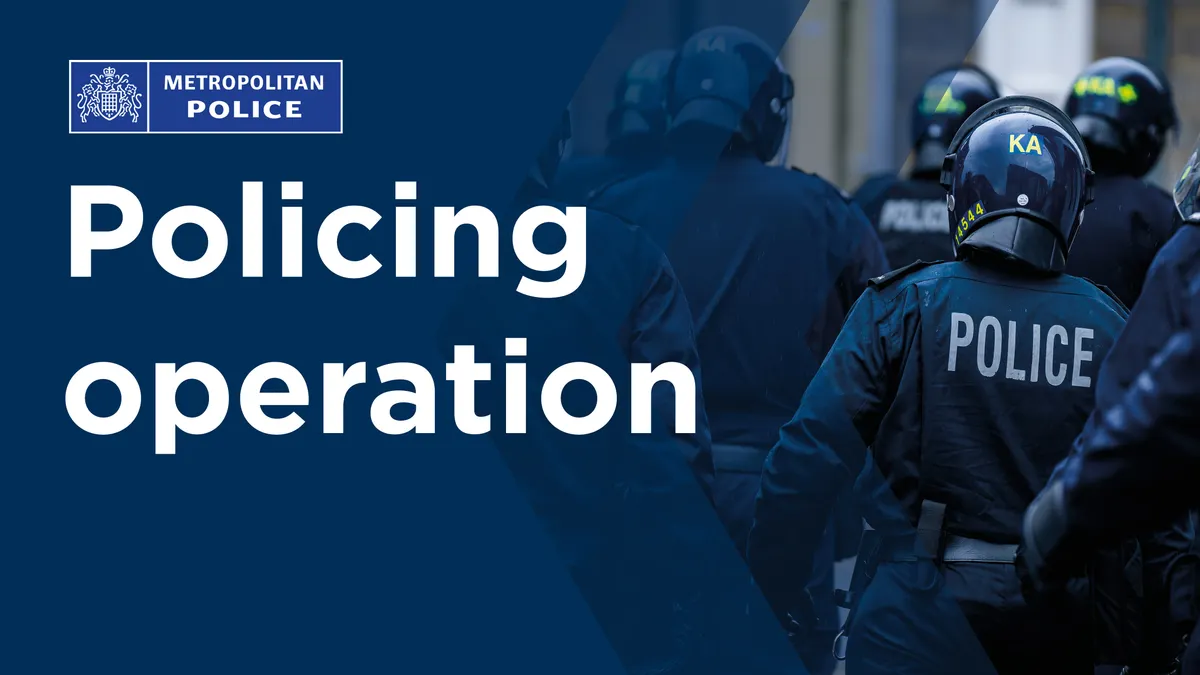
More than 100 suspected stolen mobile phones have been taken off London’s streets after Metropolitan Police officers raided a phone shop in north London and an address linked to it, arresting five people who have all since been charged.
The raid, carried out on 11 September, was one of the most significant seizures of the Met’s month-long Operation Reckoning — the biggest operation the force has ever mounted against mobile phone theft, which saw more than 700 people arrested across the capital during September.
Shop targeted over suspected trade in stolen handsets
Officers executed warrants at the shop and a connected property as part of a crackdown on second-hand phone dealers suspected of trading in stolen handsets. Detectives recovered scores of phones believed to have been snatched from victims across London, striking at what police describe as a key link in the chain between street thieves and the organised gangs that profit from stolen devices.
All five people arrested during the raid have since been charged, the Met said.
Part of the Met’s biggest phone-theft operation
The north London raid formed part of the Met’s biggest-ever phone theft crackdown, which ran throughout September. Officers executed more than 50 warrants — including raids on second-hand phone shops suspected of fencing stolen handsets — and visited 220 such shops across the capital to check their stock and records.
Senior officers say the operation was designed to attack every stage of the trade, from the thieves who snatch handsets on the street to the shops prepared to buy them and the smuggling networks that move them abroad in bulk.
What the police say
Commander Andy Featherstone, the Met’s lead for phone theft, said the force was going after everyone involved — street robbers, the shops that buy stolen phones, and the organised gangs trafficking handsets overseas.
The Mayor of London, Sadiq Khan, said the “tide is definitely turning on mobile phone crime”, pointing to 16,000 fewer phones stolen over the past year. He described phone theft as a £50 million-a-year trade and said record City Hall funding was putting drones and Sur-Ron electric bikes into the fight, alongside work to shut down the middlemen who unlock phones or strip them for parts.
Sarah Jones, the Minister for Policing and Crime, welcomed the operation, highlighting new powers allowing officers to search properties where stolen goods are electronically located, and more than 3,800 officers moved back into neighbourhood roles. She said street phone theft was down 21 per cent in the year to August 2026.
Thefts at a four-year low
The crackdown comes as reported phone theft and robbery in the capital falls sharply. Offences dropped from 81,439 in 2024 to 71,867 last year, and between January and August this year there were 39,793 reports — down from 49,136 in the same period last year. That is a fall of roughly a fifth, or around 9,000 fewer victims.
Westminster — long the worst-affected borough, where thieves target shoppers, theatregoers and tourists — has seen reported phone thefts fall by almost half, suggesting the pressure is biting hardest where the problem was worst.
Street robberies can turn violent in seconds. Police have previously released images of suspects after a phone robbery turned violent at Cutty Sark DLR station, and officers urge victims to report thefts quickly rather than confront thieves.
What happens to a stolen phone
Once snatched, a phone’s journey is well rehearsed. Thieves wrap handsets in foil to block the tracking signals that would give them away, then sell them on to handlers who unlock them or break them down for parts. The most organised networks smuggle them abroad in bulk — as the jailing of the gang behind a UK-to-China trafficking route showed, with up to 40,000 stolen phones moved overseas in 2024–25, an estimated 40 per cent of all phones stolen in London during that period.
Criminals also use “social engineering” — posing as trusted organisations to trick victims into handing over passwords, sometimes backed by threats — to break into stolen devices. The Met says it is now sharing intelligence with Apple, and officers stress that neither the police nor Apple will ever ask for passwords or account details.
The raid at a glance
- What: more than 100 suspected stolen mobile phones seized
- Where: a phone shop in north London and a linked address
- When: 11 September
- Arrests: five people, all of whom have since been charged
- Operation: Operation Reckoning — the Met’s biggest-ever phone-theft operation, with more than 700 arrests, 50-plus warrants and 220 second-hand shops checked across September
How to protect your phone
Police advise Londoners to make their handsets harder to steal and easier to recover:
- Note your phone’s IMEI number — dial *#06# — and keep it somewhere safe; it helps police return recovered handsets.
- Switch on tracking such as Find My iPhone or Find My Device, and keep it active.
- Keep phones out of sight in busy areas and never leave them on café or restaurant tables.
- Use a strong passcode and biometric lock so a snatched phone is harder to break into.
- Never hand over passwords or account details to anyone who contacts you out of the blue — neither the police nor Apple will ever ask for them. Similar “social engineering” tricks are used in fraud cases targeting personal accounts.
- Report a theft to the police as soon as possible, with the IMEI number if you have it.