


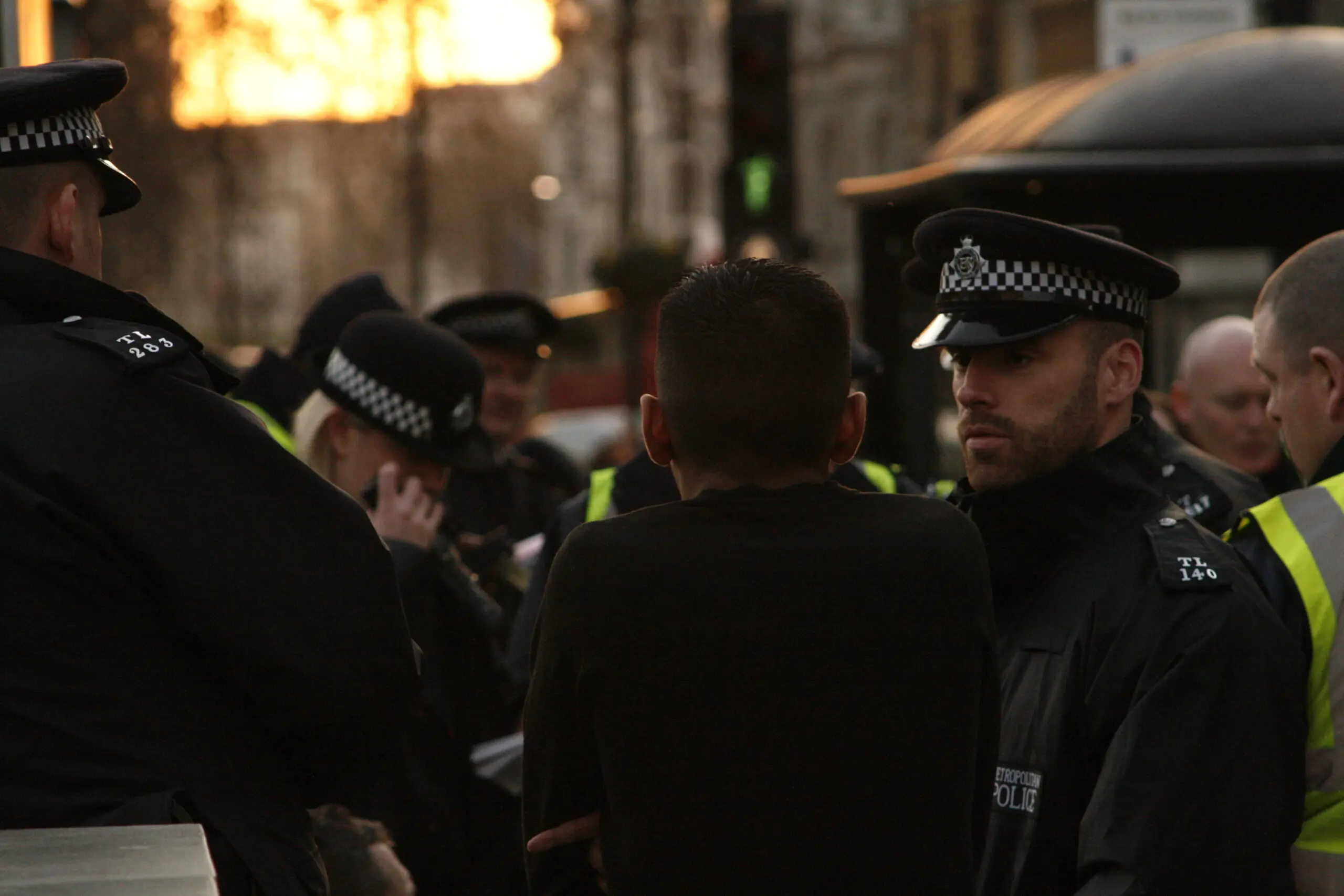
More than 700 people have been arrested and hundreds of suspected stolen mobile phones seized during the biggest operation the Metropolitan Police has ever mounted against phone theft, as new figures show the crime falling to its lowest level in four years.
Operation Reckoning ran throughout September, with officers executing more than 50 warrants — including raids on second-hand phone shops suspected of trading in stolen handsets — and visiting 220 such shops across the capital to check their stock and records.
The month-long push produced a string of dramatic arrests. On 5 September a 21-year-old fled officers on an e-bike before jumping into a pond and discarding several phones. Officers pursuing on Sur-Ron electric bikes waded into the water and fished out six handsets wrapped in tin foil — a trick thieves use because foil blocks the tracking signals that would otherwise give a phone away. The suspect was arrested and later bailed.
Four days later a 32-year-old stopped on an e-bike was found carrying 11 phones along with tin foil. He was charged with robbery and remanded in custody.
In Hackney a robbery suspect was arrested moments after a daylight phone theft on 4 September, while in Southwark on the same day four men were arrested and 12 phones were recovered — many of the victims were tourists. The suspects were later bailed pending further inquiries.
On 11 September officers raided a phone shop in north London and a linked address, seizing more than 100 phones and arresting five people, all of whom have since been charged.
The operation’s biggest courtroom result came on 25 September, when three men were jailed for a combined 25 years for handling stolen goods. The trio ran what police describe as the UK’s largest phone-smuggling network, trafficking up to 40,000 stolen phones from Britain to China in 2024–25 — an estimated 40 per cent of all phones stolen in London during that period.
Where the crackdown hit
The operation deliberately targeted the places where phone snatching blights everyday life. Hackney and Southwark saw rapid-response arrests after street thefts, while the raid on the north London phone shop struck at the high-street trade in stolen handsets. Officers also checked 220 second-hand phone shops across the capital, squeezing the outlets where stolen phones are fenced.
Westminster — long the worst-affected borough, where thieves target shoppers, theatregoers and tourists — has seen reported phone thefts fall by almost half, suggesting the pressure is biting hardest where the problem was worst.
Thefts at a four-year low
The crackdown comes as phone theft and robbery in the capital falls sharply. Reported offences dropped from 81,439 in 2024 to 71,867 last year, and between January and August this year there were 39,793 reports — down from 49,136 in the same period last year. That is a fall of roughly a fifth, or around 9,000 fewer victims.
Commander Andy Featherstone, the Met’s lead for phone theft, said the operation showed the force going after every link in the chain, from street thieves to the shops and smuggling gangs that profit from stolen handsets.
The Mayor of London, Sadiq Khan, said the “tide is definitely turning on mobile phone crime”, pointing to 16,000 fewer phones stolen over the past year. He described phone theft as a £50 million-a-year trade and said record City Hall funding was putting drones and Sur-Ron bikes into the fight, while work continues to shut down the middlemen who unlock phones or strip them for parts and the gang leaders smuggling handsets abroad.
Sarah Jones, the Minister for Policing and Crime, welcomed Operation Reckoning, highlighting new powers letting police search properties where stolen goods are electronically located and more than 3,800 officers moved back into neighbourhood roles. She said street phone theft was down 21 per cent in the year to August 2026.
What happens to a stolen phone
Once snatched, a phone’s journey is well rehearsed. Thieves wrap handsets in foil to block tracking signals, then sell them on to handlers who unlock them or break them down for parts. The most organised networks smuggle them abroad in bulk — as the jailing of the gang behind the UK-to-China trafficking route showed.
Criminals also use “social engineering” — posing as trusted organisations to trick victims into handing over passwords, sometimes backed by threats — to break into stolen devices. The Met says it is now sharing intelligence with Apple, which strengthened its device security earlier this year after more than two years of engagement. Officers stress that neither the police nor Apple will ever ask for passwords or account details, and anyone contacted out of the blue asking for them should treat it as a scam.