


Three people have been arrested in dawn raids across London as Home Office immigration enforcement officers targeted a suspected criminal network accused of selling fabricated asylum claims to migrants for thousands of pounds.
Officers struck addresses in the capital this morning, arresting two people on suspicion of fraud and immigration offences. Phones, jewellery and thousands of pounds in cash were seized during the operation, while a third person was arrested on suspicion of being in the country illegally.
The network is accused of helping migrants — thought to be dozens of Bangladeshi men — manufacture evidence to support asylum applications based on their sexuality, including staged photographs, fake documents and bogus letters of support. Those targeted are said to have charged anywhere between £1,000 and £4,500 for the fabricated packages.
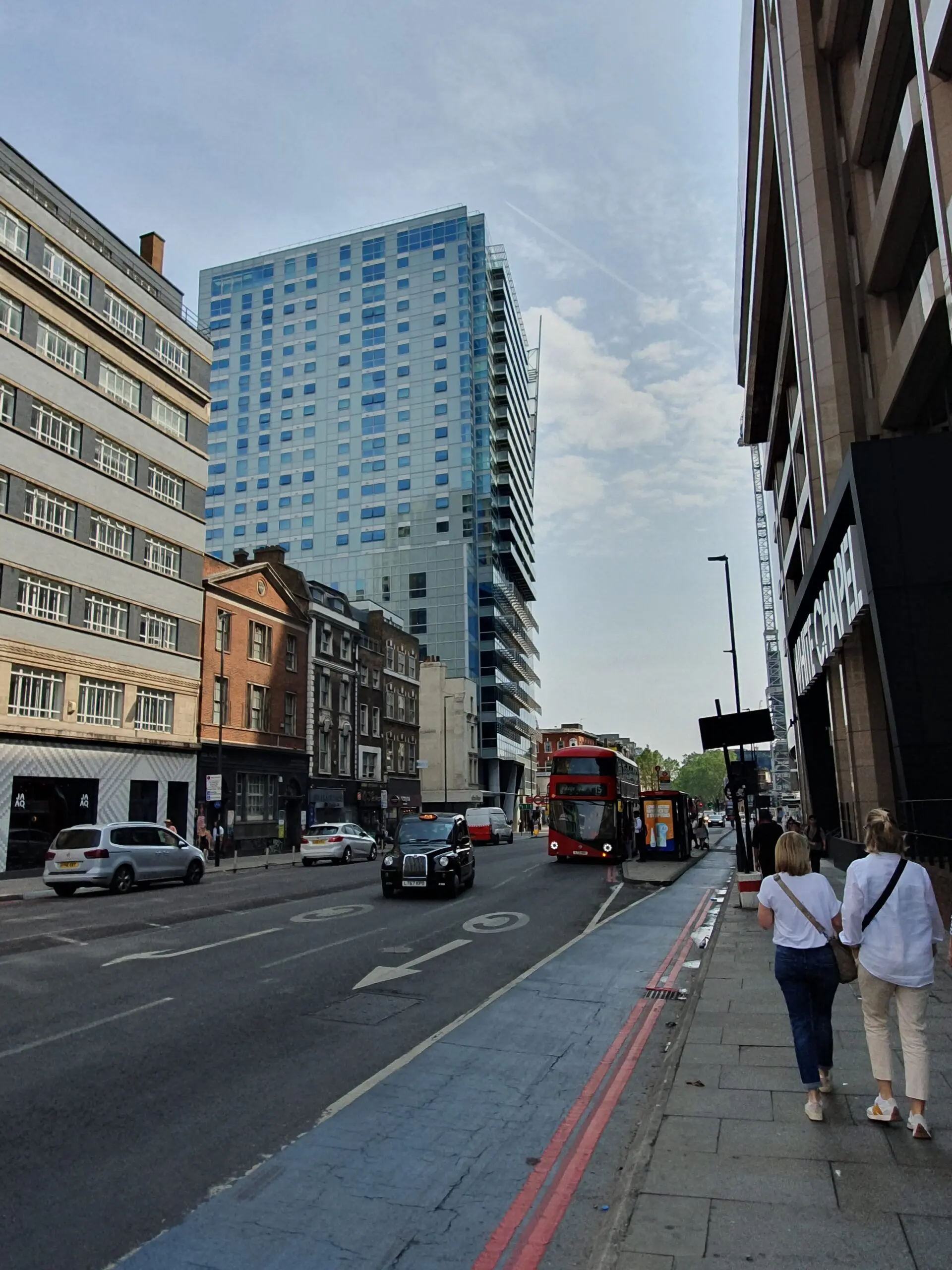
Chris Foster, a regional lead for criminal investigations at the Home Office, said the fake claims were connected to a Bangladeshi community LGBT organisation called Apanjon, which is based in Whitechapel, east London.
Asylum caseworkers first spotted suspicious patterns in the applications, raising concerns about the group and triggering an investigation that has now been running for several months.
“We’ve got some intelligence that they can provide fake letters and documents, and they could charge anywhere between £1,000 and £4,500,” Foster said.
“It could be letters of support from Apanjon, it could be staged photographs, suggesting that these people are gay, it could be letters from people claiming to be in a friendship or a sexual relationship — [a] same-sex relationship — as the claimants.”
More than 100 asylum claims now under review
The Home Office is now reviewing more than 100 asylum applications linked to the suspected network. Foster admitted some of the fraudulent applications would “undoubtedly” have been granted had the scam not been uncovered.
Immigration judges have previously criticised evidence submitted by Apanjon as unreliable or not credible. In one case, a tribunal found that an applicant who claimed to have attended the group’s events had submitted staged photographs.
The Home Office said the group would frequently vouch for men who claimed asylum on the grounds they were gay only after an initial application on political grounds had been refused. In one case, a man did not raise his sexuality until nine years after his original claim.
Home Secretary condemns ‘disgraceful fraud’
Home Secretary Shabana Mahmood condemned those behind the alleged scam in the strongest terms.
“Those faking persecution are beneath contempt and mock real victims who need protection,” she said.
“To the gangs profiting from this disgraceful fraud: you will be prosecuted, stripped of your dirty money and shut down,” she added. “And to those cheating the system, your claim will be thrown out, and you will be removed from this country.”
Her pledge to strip gangs of their “dirty money” follows a series of proceeds-of-crime actions against organised immigration criminals — including a Woodford Green people smuggler ordered to repay £290,000 or face more time behind bars.
A conviction for asylum fraud carries a maximum sentence of up to 10 years in prison.
Raids follow earlier investigation into fake claims
Today’s operation follows an investigation earlier this year which revealed that law firms and advisers were helping migrants pose as gay in an effort to secure asylum.
In that report, published in April, an adviser called Tanisa Khan told an undercover reporter she could provide a “comprehensive package” of supporting evidence, including photographs taken at gay clubs. She was linked to a community group called Worcester LGBT, which has since closed, and told the reporter to attend its events to strengthen a bogus claim.
Men filmed at one of the group’s events at a community centre in Beckton, east London, said they were not really gay. One said: “Nobody is a gay here. Not even 1% are gay. Not even 0.01% are gay.”
The investigation also revealed how bogus medical conditions and fake news websites were being used to bolster fraudulent asylum claims. A Home Office spokesperson said officials are continuing to review asylum claims linked to that reporting, which led to two arrests in May.
It is the latest in a string of cases targeting organised networks that profit from vulnerable migrants in the capital — last month, four members of a trafficking network were jailed at Woolwich Crown Court over the sexual exploitation of 24 Thai women.
What happens to the 100-plus claims now?
The review of more than 100 linked applications will see specialist caseworkers re-examine each file for signs of fabrication — from inconsistent testimony to the staged photographs and template-style support letters described by investigators. Where fraud is established, claims can be refused or any grant of status revoked, and the individuals concerned face removal from the UK.
The process is painstaking: each case must be decided on its own merits, and officials will be wary of penalising genuine applicants who may have had legitimate contact with the organisation at the centre of the allegations. But the Home Office has made clear that anyone found to have cheated the system should expect their claim to be thrown out.
The seized phones and documents are likely to prove central to the criminal case. Digital evidence can map the network of payments and reveal how many migrants paid for the alleged packages — potentially widening the investigation well beyond the three arrests made today.
A damaging blow for Whitechapel
The allegations will land heavily in Whitechapel and the wider Tower Hamlets area, one of the most diverse corners of London and long a first home for new arrivals to the capital. Community and faith groups in the borough have spent decades supporting genuine refugees — work that fraud on this scale risks undermining.
The borough has seen a string of major police operations in recent weeks — officers are also hunting two men after a teenage girl was raped in Bethnal Green — and today’s raids will only add to the pressure on neighbourhood policing.
There is also a particular sting for the capital’s genuine LGBT asylum seekers, some of whom fled countries where same-sex relationships are criminalised. Campaigners have long warned that fabricated claims make it harder for real victims of persecution to be believed when their cases reach a caseworker or a judge.
For now, the message from the Home Office is blunt: the raids are the start, not the end, of the crackdown. With more than 100 claims under the microscope and a criminal investigation under way, further arrests cannot be ruled out.
Timeline: how the investigation unfolded
- April 2026: An investigation reveals law firms and advisers helping migrants pose as gay to claim asylum, including an adviser offering a “comprehensive package” of fake evidence.
- May 2026: Two people are arrested in connection with that reporting; the Home Office begins reviewing linked asylum claims.
- 6 October 2026: Dawn raids across London see three arrested over a suspected network linked to Apanjon in Whitechapel; phones, jewellery and cash seized; more than 100 asylum claims put under review.