


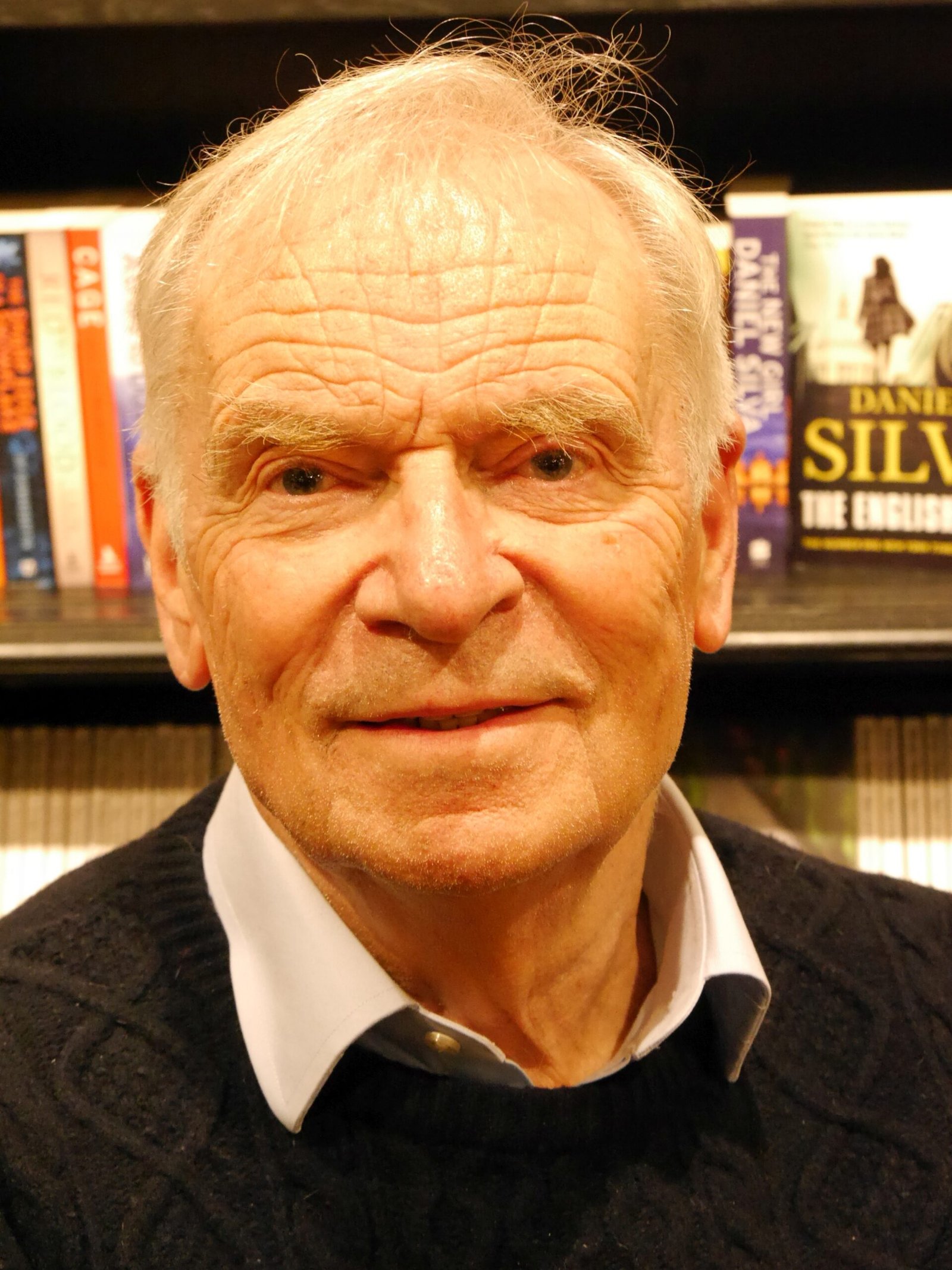
Jeffrey Archer, the bestselling novelist and former politician whose extraordinary life ran from the corridors of Westminster to the top of the bestseller charts — via a spell behind bars — has died at the age of 86.
Archer died suddenly but peacefully on Monday (October 5) at his home, between writing sessions, his publisher announced. He had been working on new material right up to the end.
Tributes have flooded in from across politics, publishing and beyond. Leading them was Conservative leader Kemi Badenoch, who revealed she had received a message from him on the very morning of his death, as the party gathered for its conference in Birmingham.
She described the news as a huge shock, calling Archer a dear friend to so many within the party and a constant source of personal encouragement to her. Her thoughts, she said, were with his wife, Dame Mary, and all of their family.
His editor at his publishing house paid her own warm tribute, describing him as the master storyteller and an editor’s dream: phenomenally hard-working, utterly committed to polishing draft after draft, and a true believer in the team effort behind every great book. Readers had found joy in his work for generations, she said — and colleagues had found a true friend.
A literary phenomenon
It was as a novelist that Archer found his most lasting fame. His debut, Not A Penny More, Not A Penny Less, was published in 1976, and he went on to sell hundreds of millions of books around the world, becoming one of the most commercially successful British authors of his generation.
His most famous work remains Kane and Abel, the sweeping saga of two men born on opposite sides of the world whose destinies collide across the upheavals of the twentieth century. First published in 1979, it has rarely been out of print since, and generations of readers have devoured its tale of ambition, rivalry and revenge.
He followed it with a string of page-turners — from The Prodigal Daughter to the seven-volume Clifton Chronicles — each delivered with the cliffhanger plotting and breakneck pace that became his trademark. Critics were often sniffy; readers could not get enough.
He was a storyteller to the very last. Just a day before his death, Archer took to the stage at a sold-out event at the Leicester Square Theatre in London alongside broadcaster Gyles Brandreth, celebrating his newest novel before a packed and delighted house. Brandreth later recalled his old friend in wonderful, ebullient form — funny, engaging and self-deprecating to the end.
That final book, Adam and Eve, is published today (Tuesday, October 6). Archer had told his editor from the outset that it would be his last novel, and had been thrilled by the early reactions of readers. He had been due to discuss it at the Cheltenham Festival this Saturday (October 10).
The man who would be mayor
Before the novels came the politics. Archer began his career at Westminster, serving five years as a Conservative MP before rising to become deputy chairman of the party. In 1992 he was made a life peer, taking the title Lord Archer of Weston-super-Mare.
Then came the role that might have defined him in London: he was selected as the Conservative candidate for the first London mayoral election, briefly making him one of the most recognisable political figures in the capital. It was a contest he would never get to finish.
In 2001 his political career came to a dramatic and ignominious halt when he was convicted of perjury and perverting the course of justice. He was sentenced to four years in prison after a court found he had lied during a libel action against the Daily Star more than a decade earlier — a case in which he had originally been awarded £500,000 in damages.
Many public figures would never have recovered. Archer simply reinvented himself, returning to the writing desk with renewed ferocity and rebuilding his reputation one bestseller at a time.
A marriage that endured
Through every scandal and success, his marriage endured. He and Dame Mary celebrated their 60th wedding anniversary earlier this year. The couple had two sons and five grandchildren.
For London, Archer will remain one of the great what-ifs: the man who might have become the capital’s first directly elected mayor, who instead became its most famous literary showman. He wrote his own plot twists — in fiction and in life — right up to the final page.