


A 21-year-old man from Barnet has pleaded guilty to making more than 500 indecent images of children, in a case that will now move to the crown court for sentencing.
Daniel McCarthy, of Clitterhouse Crescent near Brent Cross, entered guilty pleas to three counts of making indecent images of children when he appeared at Harrow Magistrates’ Court on Tuesday, September 29.
The court heard that a total of 547 images were found on December 16 last year. Of those, 153 were moving images and 394 were still images.
Prosecutors said 203 of the images were assessed as Category A, the most serious category used by the courts, while the remaining 344 were classed as Category B.
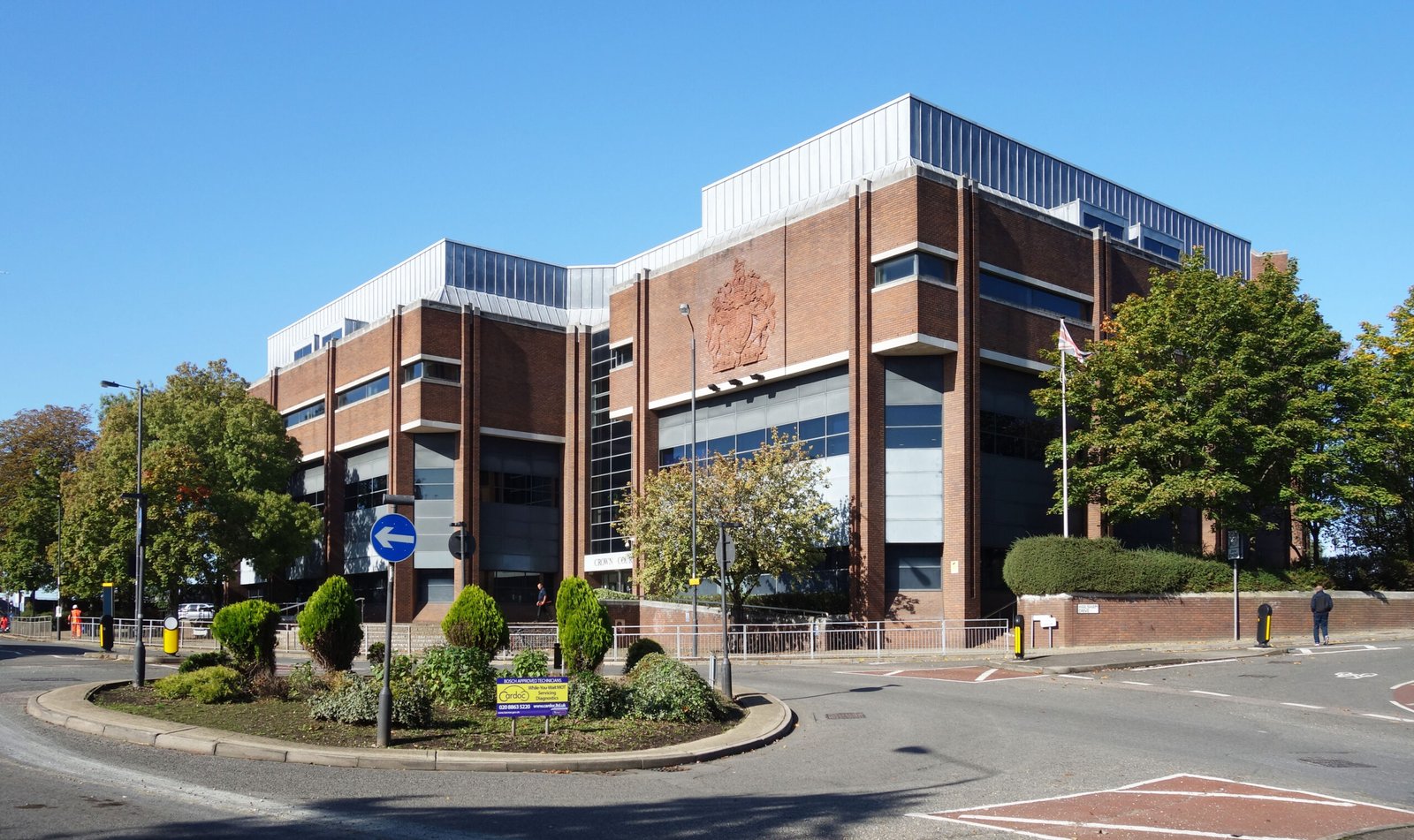
The 21-year-old has been committed to Harrow Crown Court for sentencing. A date for the sentencing hearing is yet to be fixed.
McCarthy was released on conditional bail. The conditions include a prohibition on using any internet-enabled device unless it is made immediately available to police on request. He is also banned from deleting data, using private browsing or using encrypted messaging applications.
He must additionally allow officers to attend his property to inspect devices, and he is barred from having unsupervised contact with any child under the age of 16.
A guilty plea is a conviction; sentence comes later
In the criminal courts of England and Wales, a guilty plea entered before magistrates amounts to a conviction at that point. What is left for the court to decide is the sentence.
McCarthy’s case was committed to the crown court for sentence, the usual route where magistrates take the view that their own sentencing powers are not equal to the seriousness of the offending. A crown court judge will decide the punishment at a later hearing, once a date is set and the necessary reports are prepared.
Crown court judges in London regularly impose immediate custodial terms in serious cases — a Gatwick passenger was recently jailed after hiding a lock knife in his luggage and threatening a check-in worker.
How the courts approach these cases
Under the Sentencing Council’s definitive guideline for offences involving indecent images of children, images are graded into three categories — A, B and C — according to seriousness. The number of images and the categories they fall into are key factors the court weighs, alongside the offender’s role, whether any images were shared, and any previous convictions. Courts are expected to follow the guideline unless doing so would be contrary to the interests of justice.
The legal meaning of “making” an indecent image is also wider than the word suggests. The courts have long held that it covers downloading an image or otherwise causing it to come into existence on a device — not only taking a photograph with a camera.
Before sentence is passed, the judge will usually ask the Probation Service to prepare a pre-sentence report assessing the offender’s background, the risk he poses and what requirements — such as a treatment programme or notification requirements — might be attached to any sentence.
What happens next
McCarthy will return to Harrow Crown Court on a date to be fixed, when a judge will pass sentence. He remains on conditional bail in the meantime, subject to the strict conditions imposed by the magistrates.
His case is one of a steady flow of criminal matters moving through London’s courts. A serving Metropolitan Police officer has been charged with sexual assaults allegedly committed while on duty, while a man has been charged over a stabbing in Woolwich — both cases progressing through the court system in the capital. Anyone concerned about the welfare of a child can contact their local police on 101, or call 999 if a child is in immediate danger. The NSPCC helpline is also available for adults seeking advice or support about child safety.