


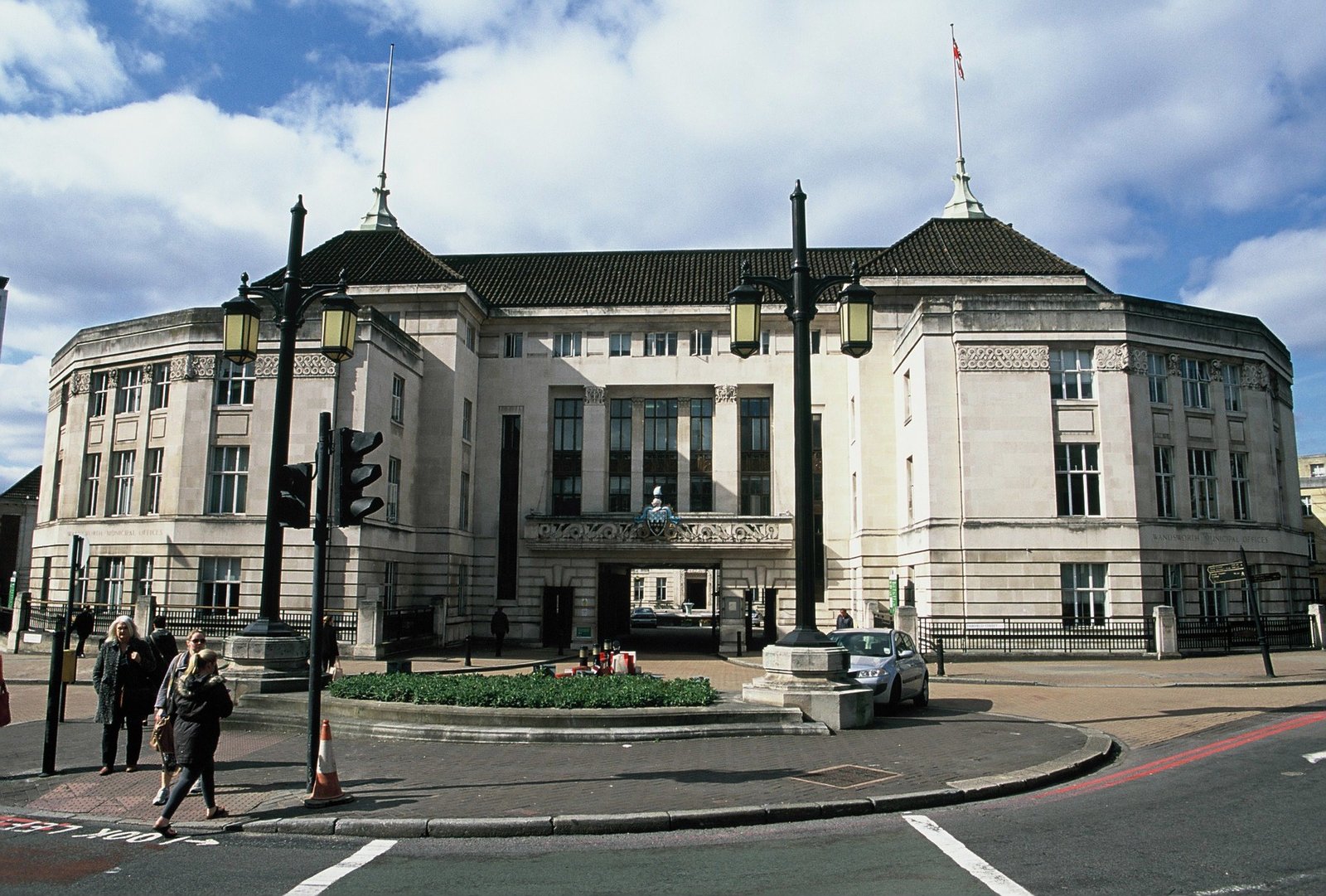
What would be the largest single council tax increase in UK history comes down to a single vote – and its holder has made up his mind.
Malcolm Grimston, the only independent councillor ever elected in Wandsworth, has told residents he will vote for the Conservative administration’s proposed 188% increase in the borough’s share of council tax when the budget comes to the chamber in the New Year. He will do so, he writes, “with a very heavy heart”, knowing it will likely cost him votes.
The May 2026 elections left the borough with no overall control: 29 Conservative seats, 28 Labour and one independent – Grimston himself – out of 58. He then signed a confidence-and-supply agreement with the Conservatives, committing him to support their budget proposals – of which this rise is the first great test.
The arithmetic of a hung chamber
The choice that mattered was the mayoralty: backing a Labour mayor would have tied the chamber at 29 votes each on every division, with the mayor’s casting vote deciding each outcome – effectively making Grimston the deciding voice on everything. He refused, arguing that one person should not wield that much democratic power, and backed a Conservative mayor instead.
So the Conservatives prevail on budget votes whatever he does: 30–28 with his vote, 29–28 if he abstains, 29–29 – settled by the Conservative mayor’s casting vote – with Labour. His support honours the agreement he signed rather than deciding the outcome.
Two sets of figures that cannot both be true
Labour calls the rise unnecessary, saying increases could be held to 5% a year – about £50 for the average resident. The Conservative administration says the borough’s share must rise by 188% from next April, adding more than £1,000 to bills.
Grimston, an energy specialist by profession, ran the numbers himself: Labour’s 5%-a-year approach would raise about £250m over three years, the Conservative plan about £652m. The £400m gap is roughly five times the £78m a year the council’s share currently raises. “I cannot come up with any credible world in which these two statements could be anywhere close to both being true,” he concluded.
The Conservative plan has been through the council’s finance officers and carries their professional approval, though it is not yet formal policy. Grimston has asked Labour leader Simon Hogg who costed his party’s figures and whether they were checked externally; Hogg has invited him to go through them later this month.
What it means in pounds and pence
A Band D property currently pays £509.84 to the council and £510.51 to the Mayor of London – £1,020.35 in total. Under the current plans the council’s share would rise to £1,468. If the Mayor’s precept rises by 7%, his five-year average, the combined bill lands at about £2,015: roughly double in a single year. Most households in West Hill pay a further £41.38 towards the upkeep of Putney and Wimbledon Commons.
Even then, Wandsworth would remain among the cheapest in the capital: the London average Band D bill is £2,068 this year, and £2,400–£2,500 across England. The borough has long had the lowest council tax in the country – as Grimston drily tells residents who say they will leave: there is nowhere lower to go.
Read more: Wandsworth council tax to almost double as Band D bill jumps to £1,978.
Why it cannot be phased
Why can the increase not be spread over time? His answer is the reserves: the council has burned through £90m of the £205m it inherited – £50m in the last year alone – and on the current path the rest is gone about eighteen months after next April.
Phasing it would take another heavy cut from what is left, forcing an even bigger rise in year two, he argues. Worse, he says, is the alternative: a council that spends its reserves to hold tax down cannot borrow its way through, because the government will not permit borrowing where an alternative exists. What arrives instead is intervention: commissioners cutting services and raising the tax anyway, with almost no local say.
Behind the crisis sits a cut of £84m a year – around 40% – in the borough’s government grant over three years. He has criticised the borough’s three Labour MPs, who declined to join the council’s appeal to the government via the Local Government Association; Putney MP Fleur Anderson voted for the funding settlement in the Commons in February.
How the decision will be made
The final figures are not yet set: Wandsworth’s 2027/28 charge will be fixed by a full-council vote in March. Any rise above 5% would normally require a referendum, but Wandsworth is one of six councils in or near London granted a two-year exemption, so the increase can be decided in the chamber. The Mayor of London’s precept, roughly half of a Wandsworth bill, is set separately.
The personal cost
Grimston, who has represented West Hill for more than 30 years – the last 12 as an independent – knows what the vote will cost him. Residents have already written to say they cannot support him again; one said she would have to leave the borough, unable to afford to stay. He says he welcomes such letters.
He turned down a cabinet post from both parties after the election, he says, so nothing he does can be read as self-interest. His newsletter opened with Edmund Burke’s 1774 Bristol address: a representative owes his constituents not only his industry but his judgment.
The rise faces scrutiny beyond the town hall: Badenoch instructs lawyers to explore legal challenge over Wandsworth council tax rise; council tenants face a separate squeeze: Wandsworth council tenants face second rent rise: £1 a week extra from 2027.