


A Wandsworth driver who racked up 13 parking fines in a single month has been banned from driving for eight months after forging RAC breakdown reports to appeal every one of them.
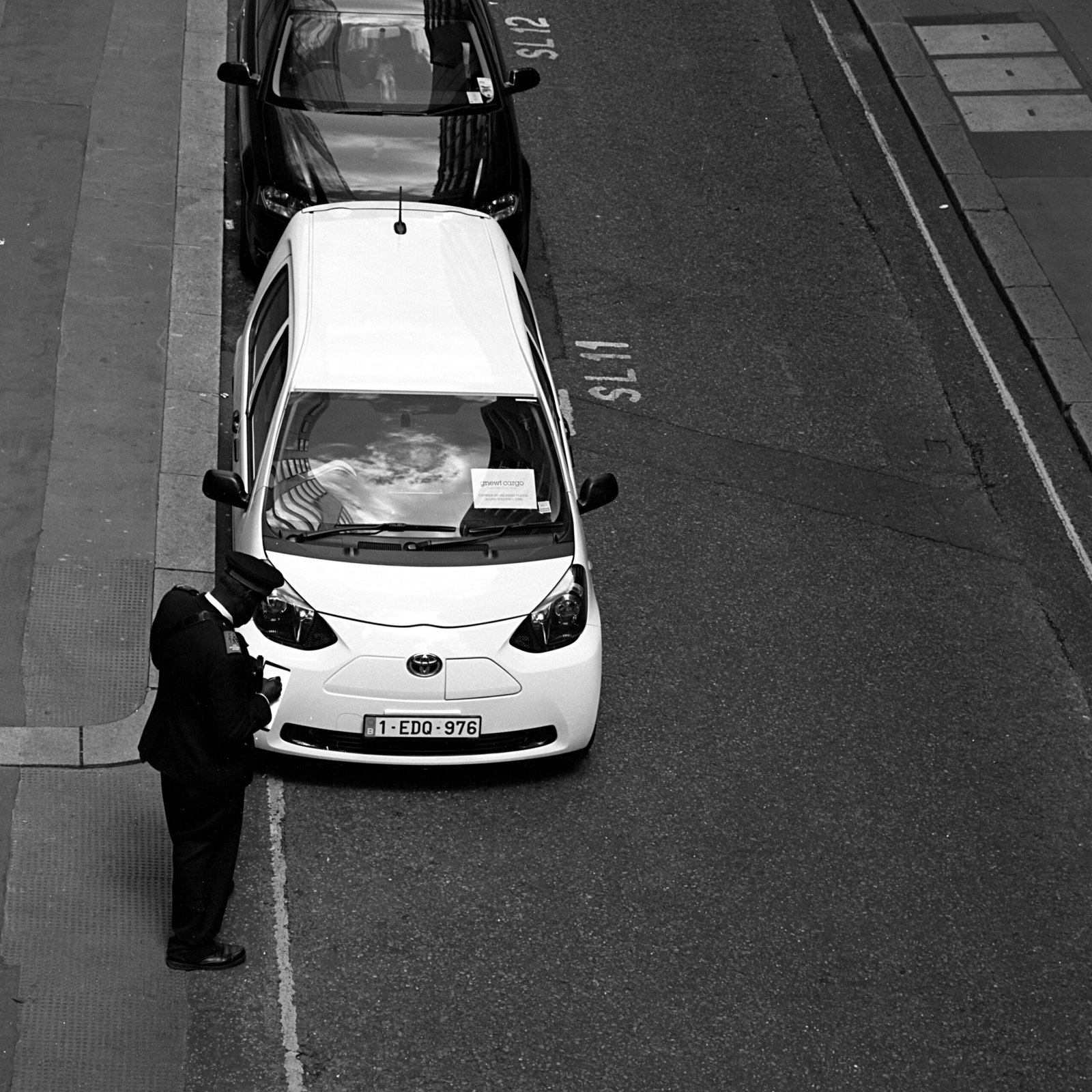
Ahmed Yussuf was issued the 13 parking charge notices by Wandsworth Council. He told the council his car had broken down on each occasion and sent in documents presented as RAC breakdown reports to back up his appeals.
Routine checks by council officers flagged the paperwork as suspicious — the documents did not stand up to scrutiny. The case was then passed to the South West London Fraud Partnership, a 15-strong team that Wandsworth shares with four other London boroughs to investigate suspected fraud against local authorities.
Confronted by investigators, Yussuf admitted what he had done: he had downloaded a genuine RAC report from the internet and altered it 13 times, tailoring each doctored copy to match each individual parking notice.
He pleaded guilty at Wimbledon Magistrates’ Court in July and was convicted of 13 charges under the Forgery and Counterfeiting Act 1981.
The court imposed an eight-month driving ban on each of the 13 charges but ordered the bans to run concurrently — meaning he will effectively serve eight months before he can legally drive again. Crucially, the disqualifications were imposed for the forgery offences, not the parking tickets themselves: courts can disqualify a driver for any offence, not only motoring ones — the cover-up, as judges often remark, proving far more serious than the original offence.
Yussuf was also ordered to pay £2,492 — the council’s full costs of bringing the prosecution.
Councillor Peter Graham, the council’s deputy leader and cabinet member for finance, said: “Trying to cheat our system with an internet trick means a driving ban and a bill for thousands.”
The council has not said where in the borough the 13 notices were issued, when exactly they were handed out, or whether Yussuf has paid them.
Fraud investigators hold a simple advantage in cases like this: breakdown operators keep central records of every callout, so a supposed report can be checked against the provider’s own logs in minutes. In Yussuf’s case the council’s own initial checks were enough to raise the alarm before the file was handed to the Partnership’s investigators — a reminder that documents which look convincing on a screen rarely survive a phone call.
The case is the second fraud prosecution the council has publicised in five days. On 24 September it revealed that a former council tenant had been ordered to pay back £64,743.54 after illegally subletting a council home. Both announcements land as the council proposes to nearly double council tax from April 2027 and impose a second yearly rent rise on around 10,000 council tenants.
Drivers who believe a parking ticket was issued unfairly are entitled to challenge it — but through the proper channels. For a ticket issued on the street, an informal challenge must reach the council in writing within 14 days, while formal representations can be made within 28 days of receiving a Notice to Owner. The council advises motorists not to pay before appealing, because payment closes the case as an acceptance of liability.
Councils across London say abuse of the appeals system is a growing problem: doctored documents, invented breakdowns and bogus exemption claims cost boroughs both lost revenue and the staff time spent investigating them. Anyone who suspects fraud against Wandsworth Council can report it to the South West London Fraud Partnership at swlfp@wandsworth.gov.uk.
Yussuf’s case shows the gamble does not pay. A batch of parking charges — typically £65 to £130 each in London — turned into a criminal conviction, an eight-month disqualification and a bill for nearly £2,500 in costs. Forgery under the 1981 Act carries a maximum sentence of ten years’ imprisonment: Yussuf’s guilty plea spared him a trial, but the bench still chose a punishment that bites far harder than the fines and bans he was trying to dodge.