


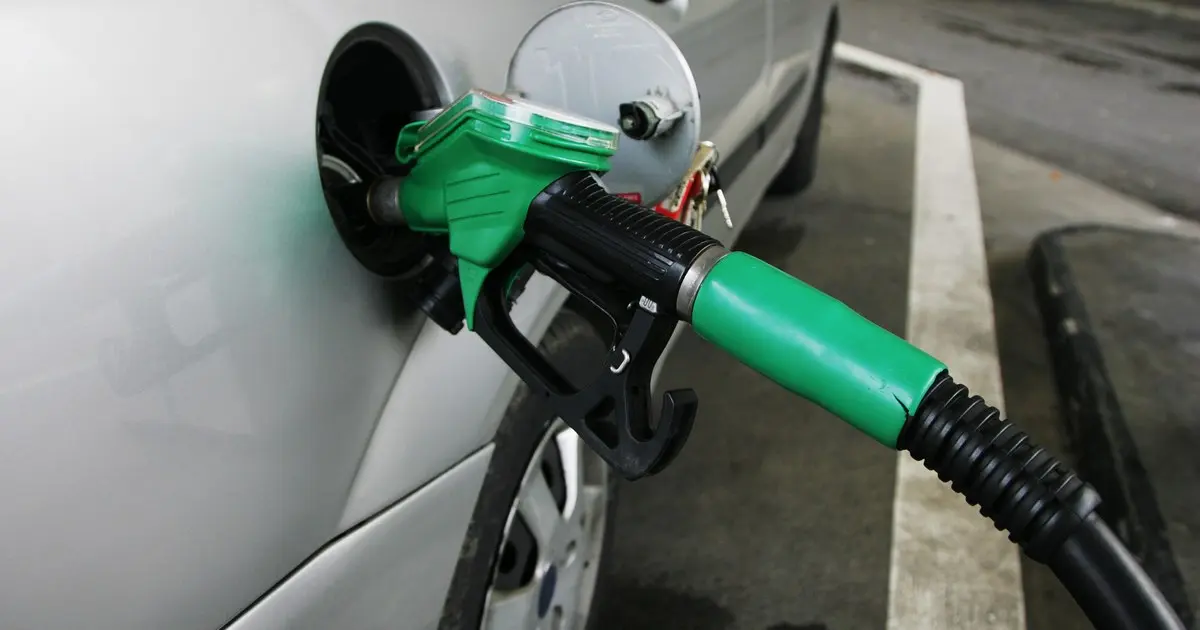
Diesel has hit a new all-time record high in the UK — and it now costs nearly £100 to fill up a typical family car.
The average price of diesel across the country has reached 199.18p per litre, according to the latest fuel price analysis by the RAC, passing the previous record of 199.09p set back in June 2022.
The RAC estimates that filling a typical family car with diesel now costs nearly £100 — roughly £31 more than it did before the start of the Iran conflict.
What the motoring groups say
Simon Williams, head of policy at the RAC, said: “This spells pain not only at the pumps for drivers, but for everyone who buys goods or services that rely on diesel lorries and vans; undoubtedly these increased costs will be passed on to consumers.”
Williams argued the Government is not powerless, even if it cannot move global oil markets: “The UK might have limited leverage when it comes to ending the US/Iran war and ultimately bringing oil prices down, but the Government could take steps to ease the burden on drivers by lowering fuel duty further or reducing VAT.”
The AA is calling for the current fuel duty cut to be extended and increased. Its road fuel price spokesman Luke Bosdet said: “There would be a good argument for diesel getting further relief as it nears the July 2022 all-time record of 199.1p a litre. While many big businesses pass the extra cost of diesel onto their customers, often via a sliding scale of fuel surcharges, smaller businesses don’t automatically. These include taxi drivers, craftspeople, domestic repairs, vets, farriers, and many who rely on vehicles to look after their customers.”
Bosdet added: “Added to that, diesel is heavily used by rural communities who already face big road fuel bills because of the longer distances they have to drive.”
Petrol is climbing too
It is not just diesel drivers feeling the squeeze. Unleaded petrol is now averaging 174.13p per litre — working out at nearly £96 for a full tank of a typical family car.
Why prices are rising
The RAC blames ongoing geopolitical tensions — the conflict between the US and Iran, and the continuing war between Russia and Ukraine — for pushing oil prices up. Williams said only a “sustained lower oil price” would reverse the trend.
The Government currently gives drivers a 5p-per-litre reduction in fuel duty, which works out at 6p per litre at the pump once VAT is included. Both the RAC and the AA want that relief to go further.
Why the 2022 record matters
The last time diesel set a record, in June 2022, the country was reeling from the economic shock of Russia’s invasion of Ukraine. Oil prices spiked, forecourt prices followed, and the then-Chancellor cut fuel duty by 5p a litre in the spring statement — a cut that has been extended several times since and is still in place today.
That four-year-old record surviving until now tells its own story: through the cost-of-living crisis, through the energy price shocks, diesel never quite got back to that June 2022 peak — until this week. The fact it has taken a new Middle East conflict to break it underlines how tightly UK pump prices are tied to events thousands of miles away.
What it means for London
The figures are UK averages, but London’s drivers are not spared. The capital runs on diesel in ways other cities do not: black cabs, delivery vans, tradespeople’s vehicles and the lorries that supply the city’s shops and restaurants all drink the stuff. When diesel rises, those costs land on fares, delivery charges and the price of goods — exactly the pass-through Williams is warning about.
For London’s taxi drivers — singled out by the AA as one of the groups least able to pass costs on — the record is particularly painful. Unlike large haulage firms with fuel surcharges built into their contracts, a cabbie absorbing an extra few pounds per fill-up has nowhere to send the bill.
Have you noticed the rise at the pump? The debate over fuel duty is only going to get louder from here.