


Transport for London has unveiled an updated version of its Corporate Environment Plan, setting out more than 70 actions to make the capital’s transport services more resilient, reliable and sustainable. The refreshed document, unveiled on 10 September, builds on the plan first published in 2021.
The plan is organised around five themes: air quality, carbon reduction, climate change adaptation, green infrastructure, and biodiversity and sustainable resources. Together they cover everything from cutting harmful emissions and driving down TfL’s carbon footprint to preparing the network for hotter summers and heavier rainfall, expanding green planting and drainage, and protecting wildlife across the transport estate.
Among the headline commitments, TfL says it will build flood resilience by installing at least 10,000 square metres of additional sustainable drainage systems (SuDS) every year through to 2035. The systems slow the flow of rainwater into drains and sewers, reducing the risk of surface-water flooding on streets and around stations as downpours become more intense. On nature, the plan pledges to maintain 520,000 square metres of wildflower verges, creating habitat for pollinators and other wildlife alongside roads and railways.
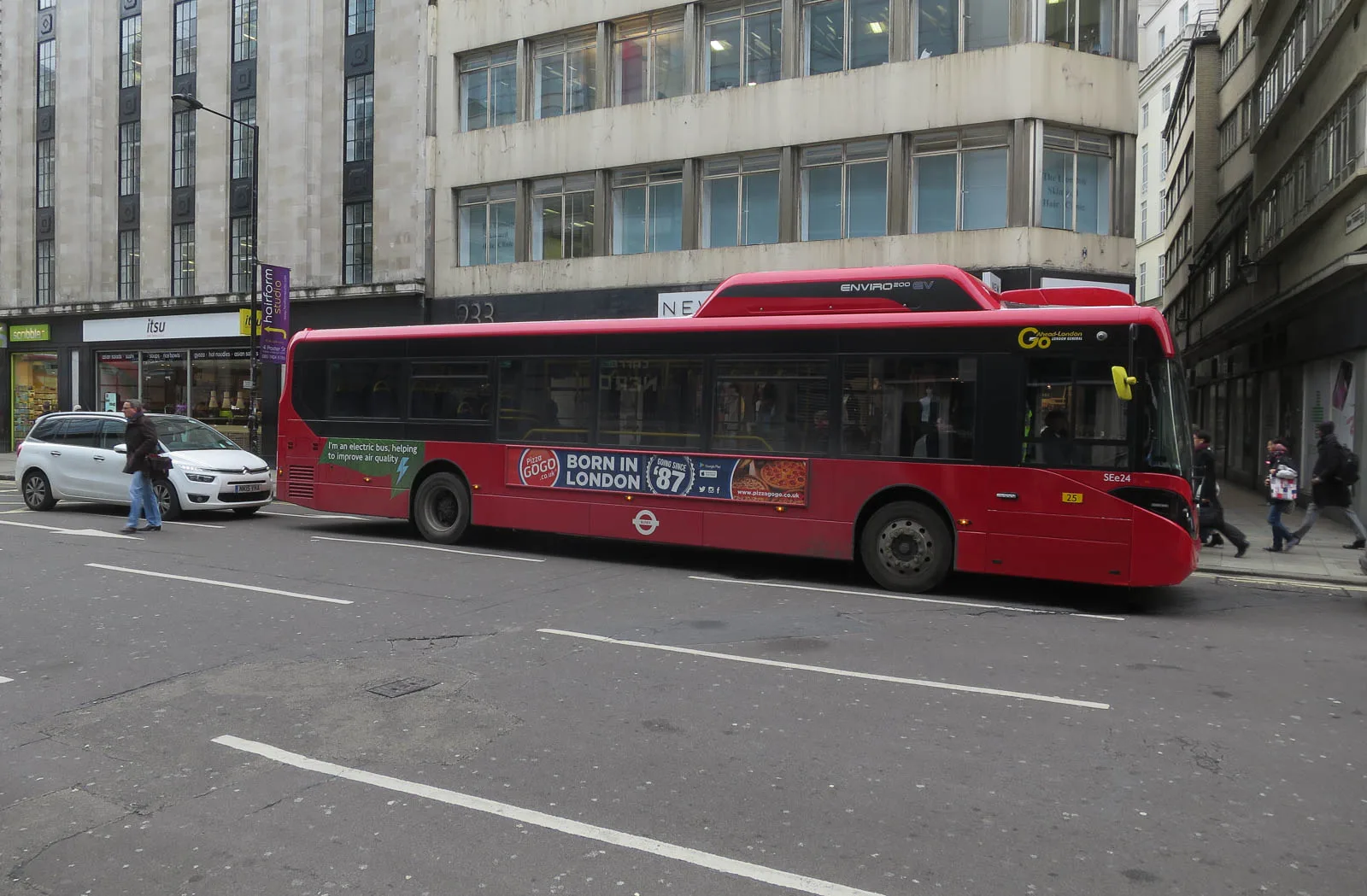
Cleaner vehicles form another major plank of the programme. The plan commits to transitioning TfL’s fleet to zero emission, going beyond the progress already made — more than a third of London’s buses are already zero emission at the tailpipe. The capital now has more than 3,000 zero-emission buses, the largest such fleet in Western Europe, up from just 30 electric buses in 2016.
Lilli Matson, TfL’s Chief Safety, Health and Environment Officer, said the update showed how far the organisation had come since the first plan in 2021, while setting out the action still required to cut carbon, clean London’s air and adapt to a changing climate. Mete Coban, the Deputy Mayor of London for Environment and Energy, welcomed the refresh, saying cleaner and greener transport was central to the capital’s environmental ambitions.
The plan lands as London continues to confront the linked challenges of the climate emergency and air pollution, with road transport remaining a major source of harmful emissions. TfL says progress against the 70-plus actions will be tracked and reported publicly, and the full document has been published on its website alongside details of its wider sustainability work.
In practice, the actions span TfL’s day-to-day operations — the buses, Tube trains, roads, stations, depots and green spaces it runs and manages. TfL says delivery of the plan will be tracked, with progress reported publicly so Londoners can see how each of the 70-plus commitments is advancing.
It also comes during a busy period for transport planning in the capital. TfL recently opened a consultation on the proposed West London Orbital Overground line linking Hendon and Hounslow, while Southwark has recommitted to the Bakerloo line extension as part of a push for 100,000 new homes.
Reporting based on the Transport for London press release.